

Key Takeaways
- Aggressive acceleration and hard braking are among the fastest ways to wear out drivetrain components.
- Ignoring low fluid levels or skipping oil changes accelerates internal engine wear significantly.
- Short trips that never fully warm the engine can cause long-term damage to oil and exhaust systems.
- Overloading your vehicle strains the suspension, brakes, and transmission beyond their design limits.
- Consistent small habits - not single events - determine how long most vehicles last.
Why Everyday Habits Matter More Than You Think
Most drivers associate vehicle damage with dramatic events - a fender bender, a blown tire, or a flooded engine. In reality, the habits that quietly shorten a car's life are far more mundane. They happen on every commute, in every parking lot, and at every traffic light. Over thousands of miles, they compound into premature wear, surprise repair bills, and a vehicle that simply doesn't last as long as it should.
Understanding these habits puts you in control. You don't need mechanical expertise to protect your investment - you just need to know what to watch for. For a broader look at how driving behavior affects your vehicle and wallet, see our Safe & Smart Driving hub.
Hard acceleration and abrupt braking on every trip.
Why it happens: Drivers often accelerate aggressively out of impatience or habit, then brake late. Both feel normal in stop-and-go traffic.
Running the engine on very low oil or skipping oil changes.
Why it happens: Oil degradation is invisible, and the service interval is easy to forget or defer when life gets busy.
Taking only very short trips that never fully warm the engine.
Why it happens: Short errands seem harmless, but repeated cold-start driving prevents the engine and exhaust system from reaching proper operating temperature.
Riding the brakes downhill instead of engine braking.
Why it happens: Many drivers keep a foot lightly on the brake pedal on long descents, which overheats brake pads and rotors without providing much actual control benefit.
Consistently overloading the vehicle beyond its rated capacity.
Why it happens: Payload and towing ratings are often ignored because drivers don't check them and the vehicle "feels fine" in the short term.
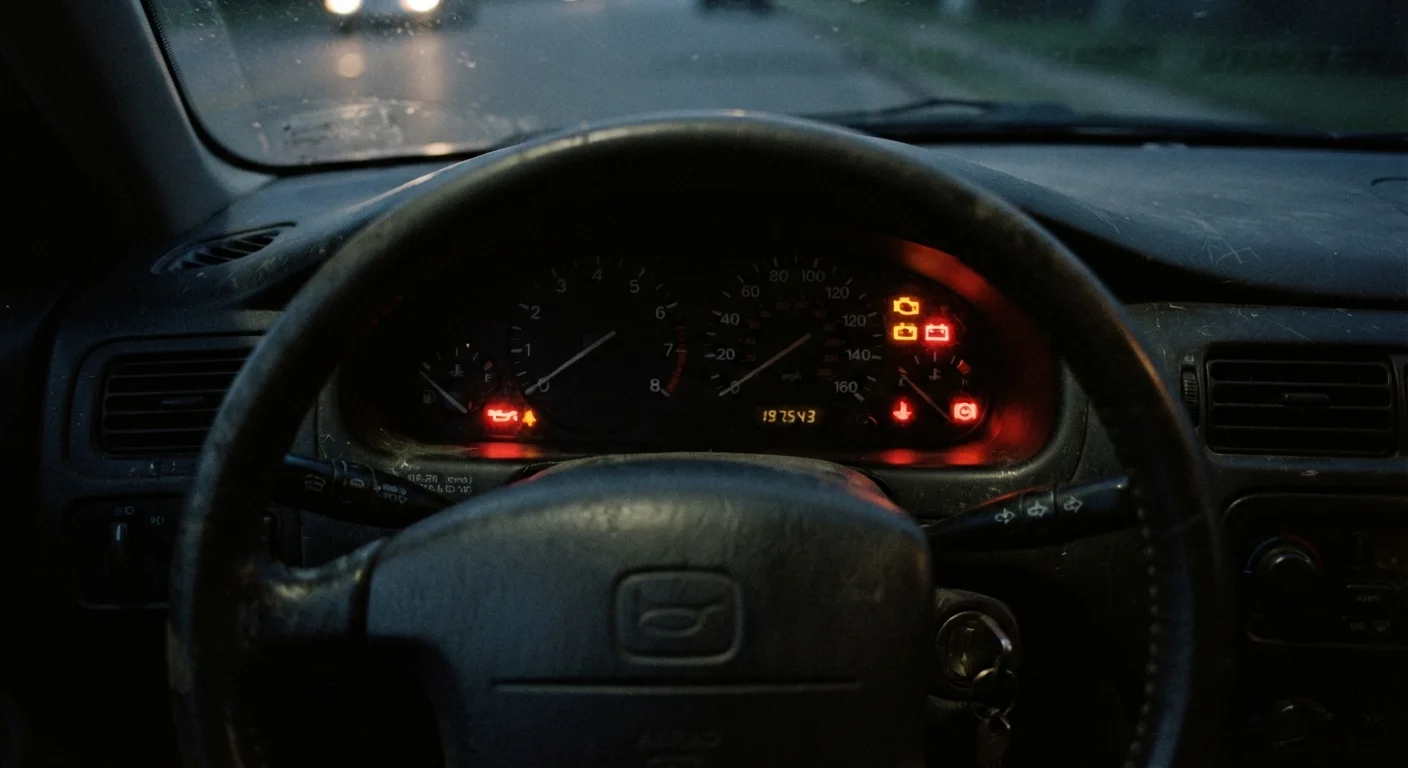
Ignoring dashboard warning lights for extended periods.
Why it happens: Warning lights can seem cryptic or non-urgent, especially if the car still drives normally. Many drivers assume they can wait until the next oil change.
Patterns That Quietly Add Up to Expensive Repairs
The mistakes listed above rarely cause immediate, obvious damage. That's what makes them so costly - the consequences arrive slowly, often just after a warranty expires or right before a long trip.
~$1,200
Average annual vehicle repair cost per U.S. driver
According to AAA, American drivers pay an average of around $1,200 per year in unexpected vehicle repair costs, much of which is linked to deferred or preventable maintenance.
200,000+
Miles achievable with consistent maintenance
Industry data consistently shows that vehicles maintained according to manufacturer schedules and driven with smooth habits routinely exceed 200,000 miles.
Smooth, deliberate driving pays dividends far beyond fuel savings. Throttle control alone can meaningfully reduce wear on brakes, tires, and the transmission - all expensive systems to repair or replace. Similarly, separating maintenance fact from fiction helps you focus effort where it actually matters for longevity.
Low Fluids Are a Silent Engine Killer
Running an engine low on oil, coolant, or transmission fluid doesn't always trigger an immediate warning - but the internal damage begins right away. Heat and friction levels spike rapidly when lubrication is inadequate. Check fluid levels at least once a month and top off as needed; consult your owner's manual for the correct fluid specifications before adding anything.
The good news is that correcting most of these habits costs nothing up front. Building better routines now is almost always cheaper than the repairs that follow neglect. If you've been deferring maintenance, our overview of defensive driving techniques is a useful companion - because protecting your car and protecting yourself on the road often involve the same mindful approach.