

Key Takeaways
- Matching your destination to your interests, budget, and available time prevents most early planning mistakes.
- Setting a detailed budget before booking anything helps you avoid unpleasant financial surprises mid-trip.
- Flexible booking windows and early reservations for flights and lodging generally give you more options.
- A well-structured itinerary balances planned activities with buffer time for rest and spontaneity.
- A packing checklist built around your specific trip type reduces what you forget and what you overpack.
Start here
Choosing Your Destination
Next
Setting a Realistic Budget
Then
Booking Transportation and Lodging
When you're ready
Building Your Itinerary
Final step
Packing and Final Preparations
Choosing Your Destination
Before you search a single flight or hotel, start with a simple question: what kind of trip do you actually want? Destination choice drives every other decision-your budget, your packing list, and your timeline all follow from it.
Think through three filters: your interests (nature, history, food, beaches), your available time (a long weekend vs. two weeks), and a rough sense of your budget. A coastal road trip, a city break, and a national park adventure each have very different cost and logistics profiles.
If you're unsure where to start, our Destinations Guide offers honest overviews of popular US and international locations to help you compare options. Narrow your list to two or three candidates before moving to the budget stage-it's easier to commit once you understand what each place will realistically cost.
Itinerary
A day-by-day plan of where you'll go, what you'll do, and where you'll stay during your trip. It acts as a flexible guide, not a rigid schedule.
Contingency fund
A portion of your travel budget set aside specifically for unexpected costs-things like a delayed flight, a restaurant that's closed, or an unplanned activity.
Lodging
Any place you sleep during your trip, including hotels, motels, vacation rentals, hostels, or campgrounds.
Travel buffer
Extra time built into your schedule between activities or destinations so that delays or slower-than-expected travel don't derail your whole day.
Entry requirements
The documentation-such as a passport, visa, or proof of vaccination-that a country or destination requires before allowing you to enter.
Setting a Realistic Budget
A trip budget has five main categories: transportation, lodging, food, activities, and a contingency fund. Most first-timers underestimate the last two. Meals, entrance fees, and small daily purchases add up faster than expected.
Start with your biggest fixed costs-flights or gas and accommodation-then estimate daily spending for the remaining categories. For a deeper walkthrough of this process, see our guide on building a realistic travel budget before you commit to any reservations.
A 15-20% buffer built into your total is a practical safeguard. Things shift: a restaurant you planned on may be closed, or you'll want to add an activity you discover once you arrive. Having financial breathing room makes those moments enjoyable rather than stressful.
Track Every Cost Category Before You Book
Open a simple spreadsheet with columns for transportation, lodging, food, activities, and miscellaneous before you spend a single dollar. Filling it in as you research-not after-helps you spot quickly when one category is eating too much of your budget. This small habit prevents the common scenario of realizing mid-booking that you've already overspent on flights.
Booking Transportation and Lodging
Once you have a destination and a budget, secure your major bookings. For flights, prices vary widely by departure day and how far in advance you book-mid-week departures and booking several weeks out can sometimes offer more affordable options, though no timing guarantee exists. Always read cancellation and change policies before confirming.
For road trips, preparation looks different. Route planning, vehicle condition, and overnight stop selection all require thought before you leave. Our road trip logistics guide covers those specifics thoroughly.
If you're flying for the first time, the airport process alone can feel overwhelming. Our guide for first-time flyers walks through every step from ticket purchase to landing. For lodging, weigh proximity to your planned activities against cost-staying slightly farther out can reduce accommodation costs but may add transportation expenses that offset the savings.
Building Your Itinerary
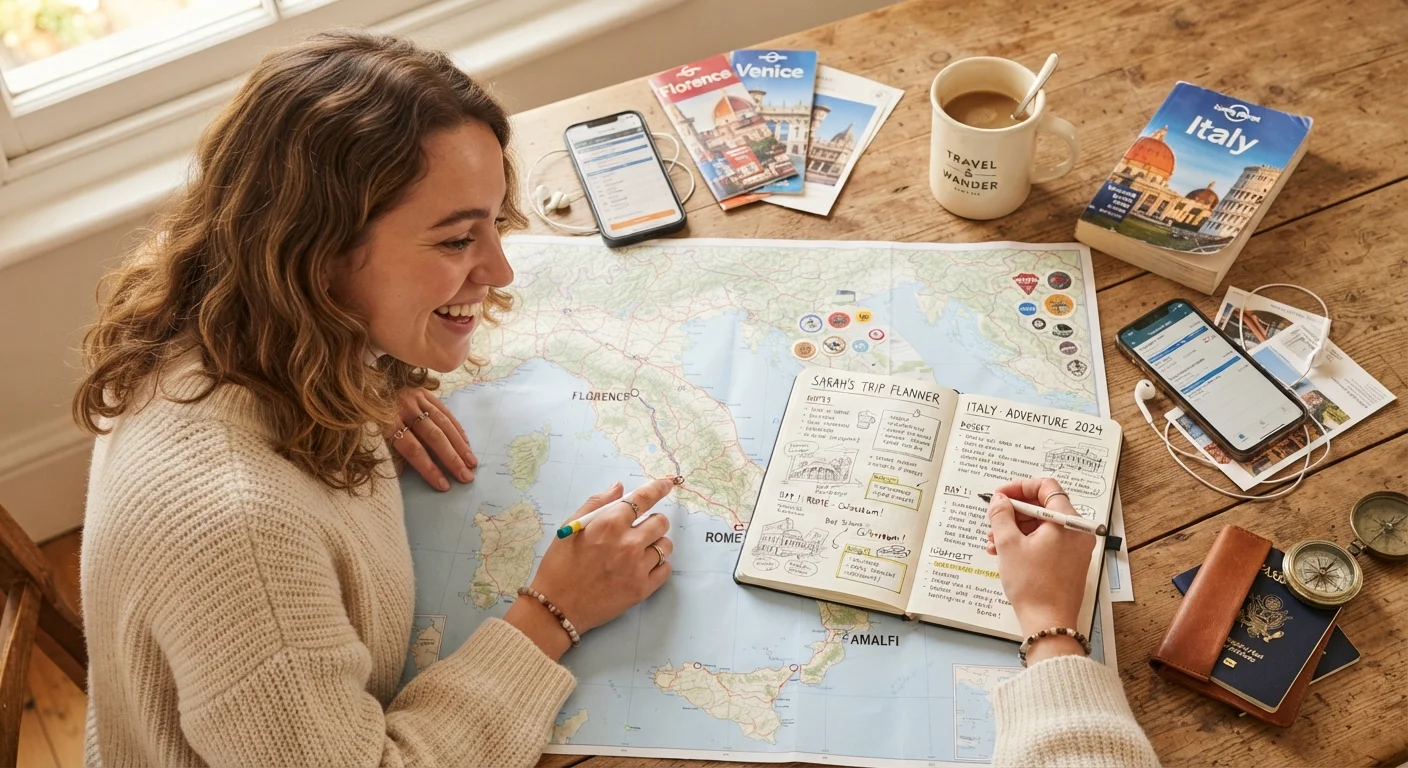
An itinerary isn't a rigid hour-by-hour schedule-it's a framework that keeps you oriented without locking you in. At minimum, map out which activities or sights fall on which days, and note any that require advance reservations (popular attractions, restaurants, or tours often book up).
The most common itinerary mistake is overscheduling. Plan two or three anchor activities per day at most, and build in travel time between them. Fatigue is real, and a packed itinerary often means you see more things less fully. For a detailed look at what makes itineraries work, read The Anatomy of a Well-Built Travel Itinerary.
Keep your itinerary in one accessible place-a shared doc, a notes app, or a printed sheet. Include confirmation numbers, addresses, and operating hours so you're not scrambling for details while you're there. For a more comprehensive planning framework from start to finish, Trip Planning in One Place offers a structured end-to-end approach.
Advance Reservations Matter More Than You Think
Popular attractions, guided tours, and well-reviewed restaurants in many destinations sell out days or weeks in advance-especially during peak seasons. Once you've confirmed your travel dates and lodging, scan your planned activities for anything that requires a reservation and book those early. Waiting until you arrive often means missing out or paying more for last-minute alternatives.
Packing and Final Preparations
Pack according to your specific trip-not a generic checklist. A beach week and a city-focused itinerary require very different clothing and gear. Start with the activities you've planned and work backward to what you'll actually need.
A practical framework: lay out everything you think you need, then remove one third of it. Most travelers overpack and end up carrying items they never use. Focus on versatile, layerable clothing and limit shoes to two or three pairs maximum.
In the days before departure, confirm all bookings, check photo ID expiration dates, and review any destination-specific considerations-weather forecasts, local transportation options, or safety advisories. For international travel, verify entry requirements directly with official government sources, as visa and documentation rules can change. Arriving prepared means fewer surprises and more mental space to enjoy the experience you've planned.
For complete logistics support as you plan, explore the Travel Logistics hub for practical guidance on flights, accommodations, and on-the-road essentials.