

Key Takeaways
- Most sodium in the American diet comes from processed and restaurant foods, not home cooking.
- Sodium plays essential roles in fluid balance, nerve function, and muscle activity.
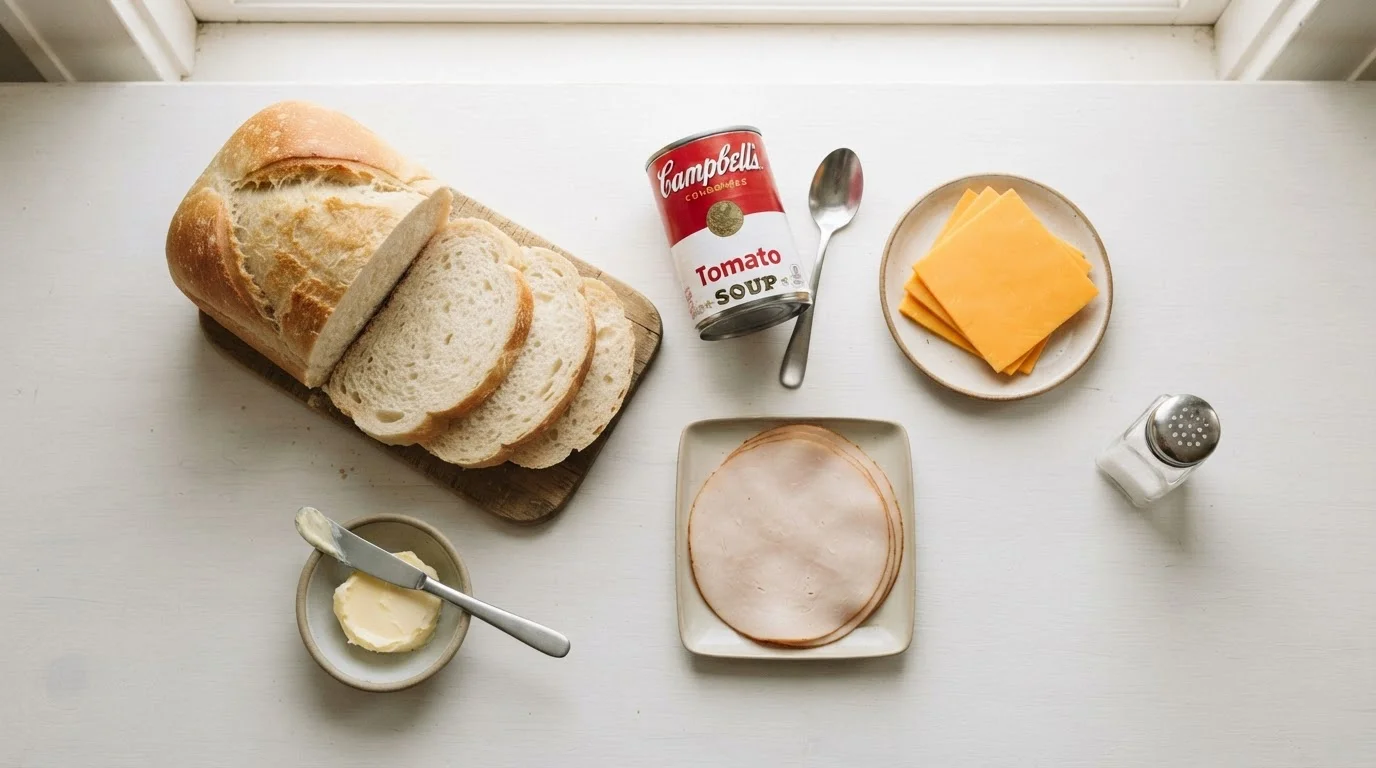
- Bread, cured meats, canned soups, and condiments are among the biggest sodium contributors.
- Reading nutrition labels is one of the most practical ways to track daily sodium intake.
- Dietary guidelines generally suggest limiting sodium, but individual needs can vary - consult a healthcare provider for personal guidance.
Dietary Sodium
Sodium is a mineral that your body needs in small amounts to function properly. It helps control fluid balance, supports nerve signaling, and aids muscle contractions. In food, sodium appears most often as sodium chloride - the chemical name for table salt - but it also hides in preservatives, flavor enhancers, and other food additives.
Sodium and salt are related but not the same: salt is roughly 40% sodium by weight, so a teaspoon of salt (about 2,300 mg of sodium) contains approximately 920 mg of actual sodium from salt chemistry.
Why Sodium Gets So Much Attention
Sodium is one of the most talked-about nutrients in American public health conversations - and for good reason. It is both essential to life and, in excess, linked to significant health concerns for many people. Understanding what sodium actually does in the body helps put those conversations in clearer perspective.
Sodium is an electrolyte, meaning it carries an electric charge and dissolves in body fluids. It works in partnership with potassium to regulate the balance of water inside and outside your cells. This balance affects blood volume, blood pressure, and how efficiently your organs communicate and function.
Sodium also plays a direct role in nerve conduction - the process by which electrical signals travel through your nervous system - and in muscle contractions. Every time your heart beats or your leg muscles carry you up a flight of stairs, sodium is part of what makes that possible.
This article is for general informational purposes only and is not medical or dietary advice. Please consult a qualified healthcare professional for guidance specific to your health needs.
Where Most Dietary Sodium Actually Comes From
One of the most surprising facts about dietary sodium is that the salt shaker on your table accounts for a relatively small share of what most Americans consume. Research from the CDC estimates that about 70% of dietary sodium comes from processed, packaged, and restaurant foods - not from cooking at home or adding salt at the table.
3,400 mg
Average daily sodium intake for Americans
The CDC reports that American adults consume an average of about 3,400 mg of sodium per day - nearly 50% more than the recommended limit.
~70%
Sodium from processed and restaurant foods
According to the CDC, approximately 70% of the sodium Americans eat comes from packaged and restaurant foods, not home cooking or added salt.
2,300 mg
Daily sodium limit per Dietary Guidelines
The Dietary Guidelines for Americans recommend that most adults consume less than 2,300 mg of sodium per day as a general health target.
The top food sources of sodium in the American diet include:
- Bread and rolls - individually modest, but eaten frequently throughout the day
- Cured and deli meats - sodium is used both as a preservative and a flavor enhancer
- Canned soups and broths - a single serving can contain a substantial portion of a full day's sodium
- Pizza - combines high-sodium cheese, sauce, and processed meat toppings
- Condiments and sauces - soy sauce, ketchup, salad dressings, and marinades add up quickly
- Snack foods - chips, crackers, and pretzels are seasoned heavily for palatability
Many of these foods don't taste obviously salty, which is one reason it's easy to consume more sodium than intended without realizing it.
Reading Labels and Making Sense of the Numbers
Nutrition labels are one of the most practical tools for understanding sodium in your food. The % Daily Value (%DV) listed next to sodium on a label is based on a 2,300 mg reference amount. A food with 5% DV or less is generally considered low in sodium; 20% DV or more is considered high.
A Quick Label-Reading Strategy
When comparing two similar packaged products, look at the sodium per serving and check that serving sizes are equal before deciding which is lower. Aiming for options where sodium %DV is 10% or below is a reasonable everyday target for most people. If you have a specific health condition, ask your doctor or registered dietitian what sodium range makes sense for you personally.
Pay particular attention to serving sizes - many packaged foods list sodium per serving, but a container may hold two or three servings. If you eat the whole container, you need to multiply the listed sodium accordingly.
Terms like "reduced sodium" and "low sodium" have specific legal definitions set by the FDA. "Reduced sodium" means the product has at least 25% less sodium than the original version - but that doesn't necessarily make it low in sodium overall. "Low sodium" means 140 mg or less per serving, which is a more meaningful threshold for those monitoring their intake.
When possible, choosing whole, minimally processed foods - fresh vegetables, fruits, lean proteins, and grains without added sauces - naturally reduces sodium exposure, since sodium is primarily added during manufacturing and food preparation, not found in high amounts in whole foods themselves.