

Key Takeaways
- The most critical socialization window closes around 14-16 weeks of age.
- Puppies need positive exposure to people, animals, sounds, and environments - not just quantity of contact.
- Missing this window doesn't ruin a dog, but it does make later behavioral adjustment harder.
- Socialization should be balanced with vaccination safety - consult your veterinarian for guidance.
- Fear responses during socialization require patience, not force - never flood a puppy with overwhelming stimuli.
Puppy Socialization
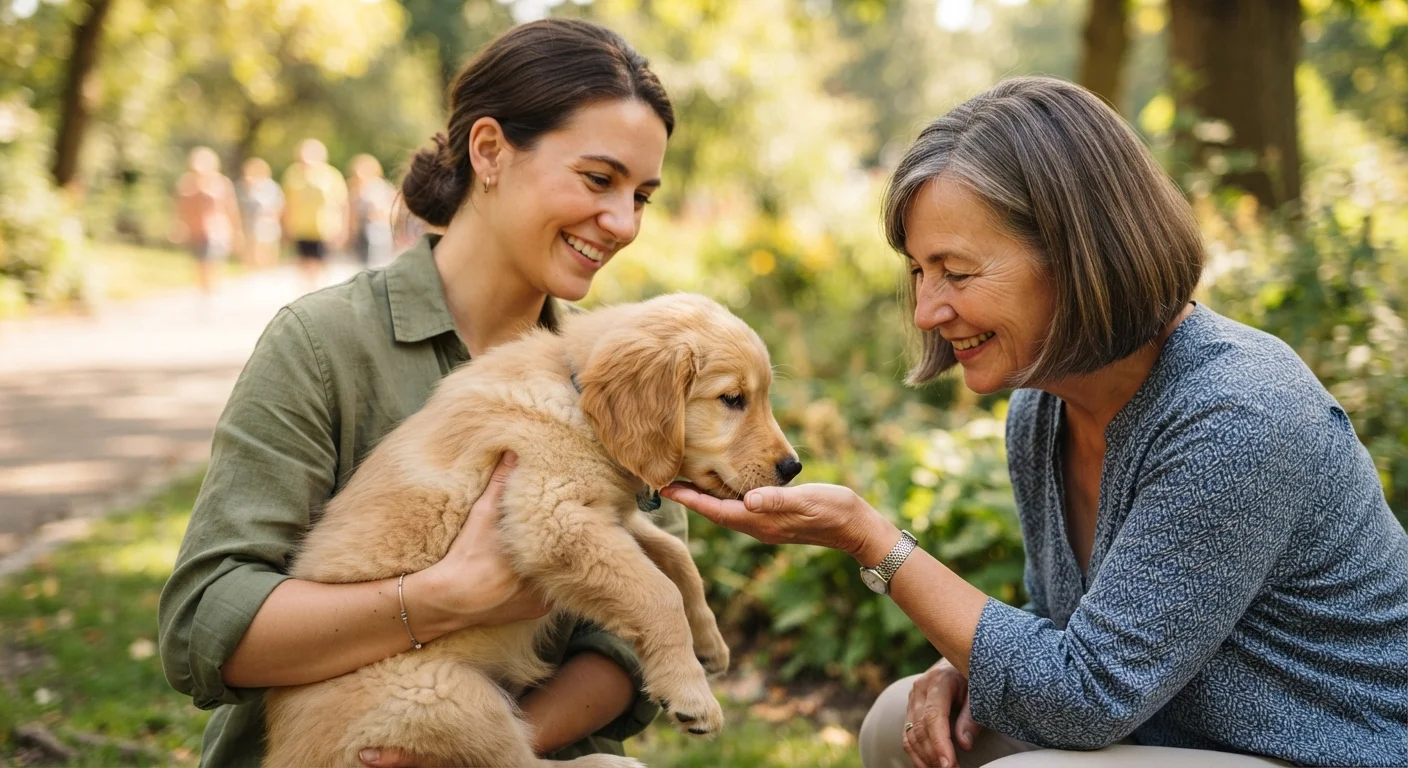
Puppy socialization is the process of introducing a young dog to a wide variety of people, animals, environments, sounds, and experiences during the period when its brain is most receptive to learning. Positive early exposure helps puppies grow into calm, confident adult dogs. The goal is not simply exposure - it's helping the puppy form positive or neutral associations with new things.
Veterinary behaviorists identify the primary socialization window as roughly 3 to 14 weeks of age, during which neural pathways involved in fear and habituation are especially plastic.
Why Timing Is Everything
Between roughly 3 and 14 weeks of age, a puppy's brain is in a uniquely open state. During this period - often called the socialization window - the nervous system is primed to accept new people, animals, and environments as normal parts of life. What a puppy experiences (or doesn't experience) during this window can influence its temperament for years to come.
This doesn't mean that a puppy raised in isolation is permanently damaged, or that one raised with ideal exposure will never show fear. But research in canine behavioral development consistently shows that early, positive experiences reduce the likelihood of fear-based aggression, anxiety, and reactivity in adult dogs. The window eventually closes - and after it does, the brain becomes progressively less flexible in how it categorizes new stimuli.
As part of a complete approach to dog ownership, understanding socialization helps set the foundation for a well-adjusted life.
3-14 weeks
Primary puppy socialization window
Veterinary behaviorists consistently identify this developmental period as most critical for shaping a dog's long-term temperament.
~70%
Of behavior problems linked to inadequate socialization
Behavioral experts estimate that the majority of fear-based behavior issues in adult dogs trace back to insufficient early socialization experiences.
What Good Socialization Actually Involves
Socialization is often misunderstood as simply exposing a puppy to as many things as possible. In practice, quality and emotional tone matter far more than quantity. An overwhelming or frightening experience - a stranger grabbing a puppy, a loud crowd with nowhere to retreat - can leave a lasting negative impression, which is the opposite of the goal.
Effective socialization involves:
- People variety: Adults, children, people wearing hats, uniforms, or sunglasses, people using mobility aids
- Other animals: Vaccinated, calm dogs of various sizes; cats and other household animals when safe
- Environments: Surfaces like tile, grass, gravel, and stairs; urban sounds, traffic, doorbells, and household appliances
- Handling: Touching ears, paws, mouth, and body - preparing the puppy for grooming and veterinary care
Each new experience should be paired, where possible, with something pleasant - calm praise, a small treat, or a brief play session. The puppy should always have the option to retreat and should never be forced into contact it's clearly avoiding.
Let the Puppy Lead the Pace
If a puppy backs away, freezes, or shows signs of stress - yawning, lip-licking, whale eye - give it space and try again more gradually. Forcing interaction doesn't build confidence; it builds fear. Keep sessions short, end on a positive note, and let the puppy's comfort level guide the pace of introduction.
Balancing Socialization With Vaccination Safety
One tension many new owners face is that the socialization window overlaps almost entirely with the period before a puppy completes its vaccination series. Puppies typically receive their final core vaccines around 16 weeks, yet the most critical socialization period peaks well before that.
Veterinarians and behavioral organizations, including the American Veterinary Society of Animal Behavior, have noted that the behavioral risks of missing socialization are significant enough to warrant carefully managed exposure before vaccination is complete. This commonly means:
- Attending puppy classes that require all dogs to have at least initial vaccines
- Visiting homes of dogs known to be healthy and vaccinated
- Avoiding high-risk areas like dog parks or unknown dog gathering spots
Your veterinarian can help you weigh the specific risks and options for your puppy's situation - this is general guidance, not a substitute for professional advice tailored to your pet.
If you're navigating the first weeks at home with a new dog, balancing these competing priorities early on is one of the most impactful things you can do.
Socialization Looks Different for Every Puppy
Breed, genetics, and individual temperament all influence how a puppy responds to new experiences. Some breeds are naturally more cautious or sensitive than others. A puppy that seems slow to warm up may simply need a gentler pace - not more exposure forced at the same intensity. Recognizing and respecting individual differences is part of effective socialization.
When the Window Closes: What Comes Next
Socialization doesn't stop at 14 weeks - it simply becomes a different kind of work. Puppies that received good early exposure still benefit from continued, varied positive experiences throughout adolescence. And dogs that missed early socialization aren't beyond help, though they may need more time, patience, and professional support.
Ongoing habituation - gradually and positively introducing a dog to things it finds uncomfortable - can improve behavior meaningfully. A certified professional dog trainer or a veterinary behaviorist can be especially valuable if a dog shows signs of significant fear or reactivity. The process tends to be slower than early socialization, but progress is possible.
Pairing socialization work with a consistent daily routine gives dogs the stability they need to feel secure enough to explore and learn. Structure reduces background anxiety, which in turn makes new experiences easier to process.
This article is intended for general informational purposes and does not constitute veterinary or behavioral advice. Consult a licensed veterinarian or certified animal behaviorist for guidance specific to your dog.