

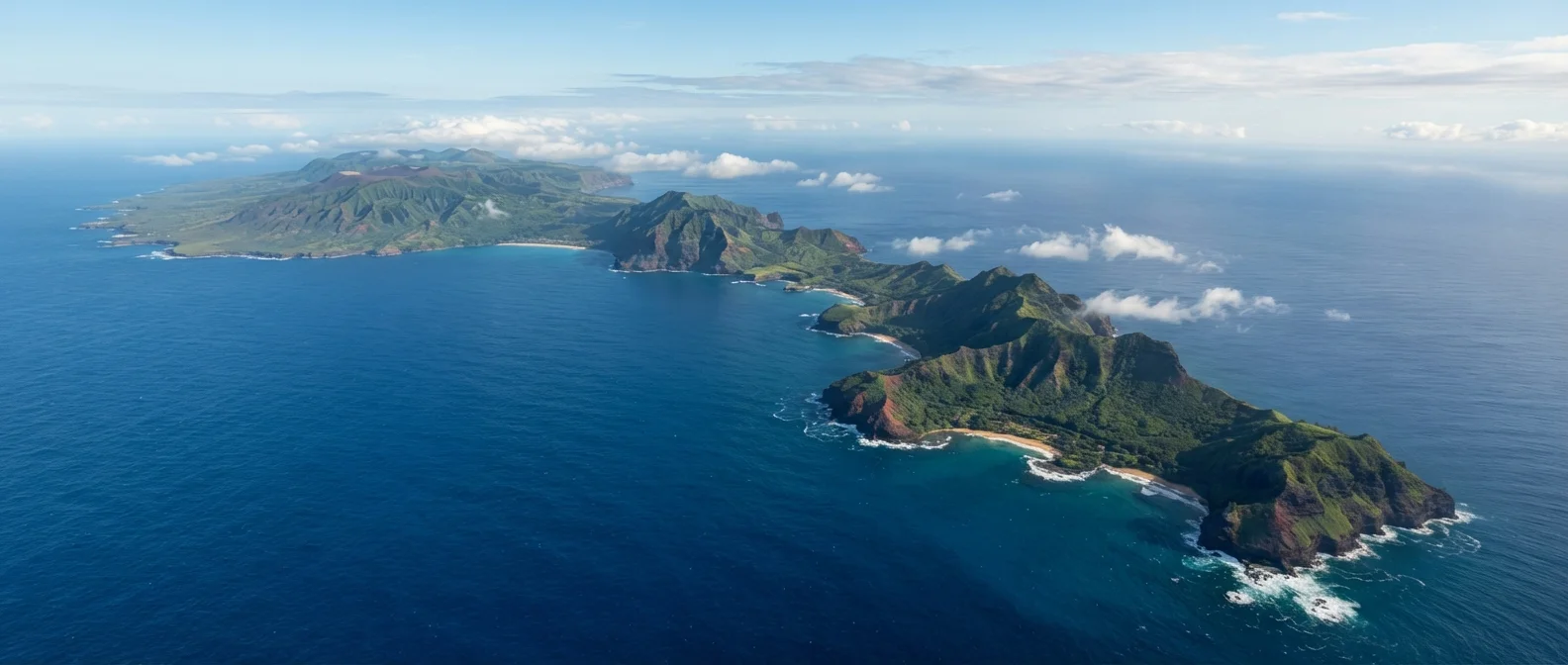
Key Takeaways
- Each Hawaiian island has a distinct personality - from Oahu's city energy to Molokai's quiet rural character.
- Your ideal island depends on your travel priorities: nightlife, hiking, beaches, culture, or seclusion.
- Inter-island flights are the primary way to island-hop and typically take 20-45 minutes.
- The Big Island is the only island with active volcanic activity, offering a landscape found nowhere else.
- Lanai and Molokai are the least developed islands, making them better suited to travelers seeking solitude.
Our Verdict
No single Hawaiian island is universally superior - each suits a different type of traveler. Oahu fits first-timers and those wanting convenience; Maui appeals to those balancing beach relaxation with some adventure; the Big Island rewards nature enthusiasts; Kauai draws hikers and those seeking dramatic scenery; Molokai and Lanai offer rare seclusion. Choosing wisely means matching the island's strengths to your travel style.
| Best for | Recommended |
|---|---|
| First-time visitors and urban travelers | Oahu |
| Beach lovers who also want outdoor adventure | Maui |
| Nature enthusiasts and volcano explorers | The Big Island (Hawaii Island) |
| Hikers and those seeking dramatic, unspoiled scenery | Kauai |
How Hawaii's Islands Differ - and Why It Matters
Hawaii is not one destination - it's six distinct islands, each shaped by different geography, development history, and cultural character. Choosing the right island can make the difference between a vacation that fits you perfectly and one that leaves you wishing you'd done your research first.
The six main islands visitors can travel to are Oahu, Maui, the Big Island (Hawaii Island), Kauai, Molokai, and Lanai. A seventh island, Niihau, is privately owned and off-limits to general visitors. Here's an honest look at what each island actually offers - and who is most likely to enjoy it.
| Oahu | Maui | Big Island | Kauai | Molokai | Lanai | |
|---|---|---|---|---|---|---|
| Development level | High | Moderate-High | Moderate | Moderate-Low | Very Low | Low (exclusive) |
| Best for | First-timers, culture | Beaches, scenic drives | Volcanoes, nature variety | Hiking, scenic coastlines | Seclusion, local culture | Privacy, luxury, rugged terrain |
| Nightlife & dining | Extensive | Good | Limited but growing | Limited | Very limited | Resort-focused only |
| Outdoor adventure | Moderate | High | Very High | Very High | Moderate | Moderate |
| Crowds | High | Moderate-High | Moderate | Moderate | Very Low | Very Low |
| Ease of getting around | Easiest | Easy | Car essential | Car essential | Limited options | Limited options |
Oahu: Hawaii's Most Accessible Island
Oahu is home to Honolulu, Hawaii's state capital, and remains the most visited island by a wide margin. Waikiki Beach offers calm swimming conditions ideal for beginners, while the North Shore attracts surfers with its powerful winter swells. Historic sites such as Pearl Harbor and the Iolani Palace provide cultural depth beyond the resort strip.
Transportation infrastructure is strong - TheBus public transit system is one of the most functional in Hawaii - and the island has the widest range of dining, lodging types, and shopping. The trade-off is crowds. Popular spots like Diamond Head and Hanauma Bay can feel congested, particularly during peak travel periods.
Planning a Multi-Island Trip
Inter-island flights in Hawaii are frequent and typically take under an hour, making it feasible to visit two islands on a single trip. A common pairing is Oahu with Maui, or Maui with Kauai. That said, island-hopping adds cost and logistical complexity - budget extra time for airport transitions and consider whether the added variety is worth the reduced time on each island.
Maui, Kauai, and the Big Island: Nature in Three Flavors
Maui is often described as a middle ground - more developed than Kauai or the Big Island but less urban than Oahu. The Road to Hana offers one of Hawaii's most celebrated scenic drives, while Haleakala National Park provides a surreal high-altitude landscape. West Maui's resort corridor offers polished beaches and calm conditions for snorkeling. Maui also has a vibrant food scene, particularly in Lahaina and Paia.
Kauai, nicknamed the Garden Isle, is defined by extreme natural beauty. The Na Pali Coast - accessible only by boat, helicopter, or a strenuous hike - is among the most photographed coastlines in the world. Rainfall keeps the island intensely green, but it also means some areas see frequent overcast skies. Kauai has limited nightlife and fewer tourist amenities, which is exactly why many visitors prefer it.
The Big Island is geologically the youngest and geographically the largest island, encompassing nearly every climate zone on Earth - from snow-capped Mauna Kea to black-sand beaches to the active lava flows managed within Hawaii Volcanoes National Park. It demands more driving between attractions than other islands but rewards travelers willing to explore.
Molokai and Lanai: Hawaii's Quieter Side
Molokai has resisted large-scale resort development by choice. The island retains a rural, deeply Hawaiian character, with a small population and very limited tourist infrastructure. There are no traffic lights, no shopping malls, and few restaurants. The sea cliffs along the north coast are the tallest in the world. Molokai is best suited to travelers who genuinely want to step away from tourist conveniences and connect with a more everyday Hawaiian pace of life.
Lanai presents a different kind of exclusivity - the island is largely privately owned and is home to two high-end resorts. Beyond those properties, Lanai has rugged unpaved roads, dramatic rock formations at Garden of the Gods, and very little commercial development. It appeals to travelers seeking privacy and an off-the-grid feel within a managed setting.
Note: Travel conditions, access, and available amenities on each island can change. Verify current entry requirements, road conditions, and park accessibility through official Hawaii tourism and government sources before your trip.