

| States Covered | Utah, Arizona, New Mexico (plus Nevada and Colorado borders) |
| Busiest Season | Spring (March-May) and Fall (September-October) |
| Coolest High-Elevation Park | Bryce Canyon (up to 9,115 ft elevation) |
| Entry Fee Range | Typically $15-$35 per vehicle; America the Beautiful Pass covers most parks (National Park Service) |
| Permit-Required Parks | Zion (shuttle), Arches (timed entry), Grand Canyon inner canyon (backcountry) (National Park Service) |
| Largest Park by Area | Grand Canyon (1,217,262 acres) (National Park Service) |
Why the Southwest Stands Apart
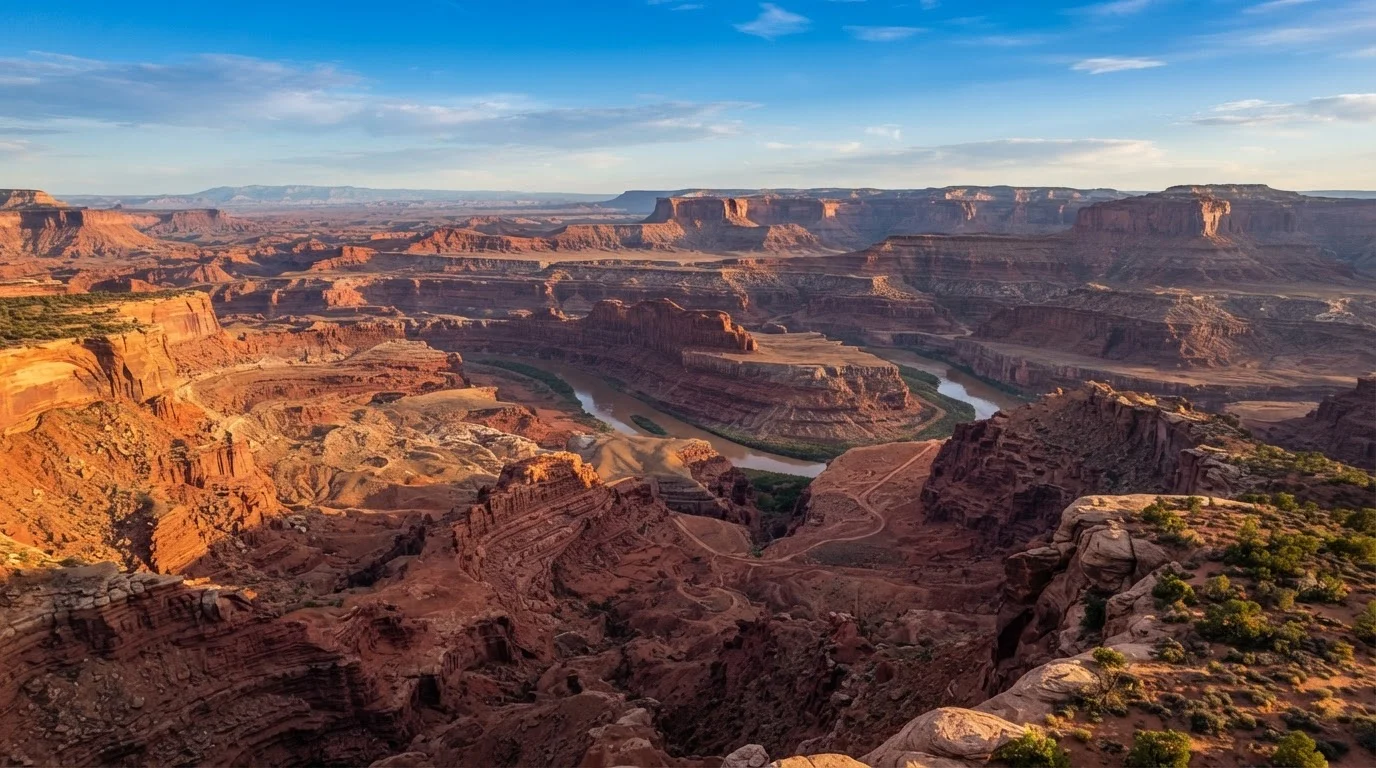
The American Southwest encompasses one of the most concentrated collections of national parks on Earth. From Utah's towering sandstone arches to Arizona's mile-deep canyons and New Mexico's ancient lava fields, each park presents a distinct geological story millions of years in the making. Whether you're drawn to strenuous backcountry hikes, family-friendly scenic drives, or Indigenous cultural history, understanding what each region offers will help you match the right park to your travel goals.
Before visiting any Southwest park, it's worth knowing that many require advance planning - including timed-entry permits, seasonal road closures, and limited parking. See our guide to permits, crowds, and logistics for what to prepare before you go.
| States Covered | Utah, Arizona, New Mexico (plus Nevada and Colorado borders) |
| Busiest Season | Spring (March-May) and Fall (September-October) |
| Coolest High-Elevation Park | Bryce Canyon (up to 9,115 ft elevation) |
| Entry Fee Range | Typically $15-$35 per vehicle; America the Beautiful Pass covers most parks (National Park Service) |
| Permit-Required Parks | Zion (shuttle), Arches (timed entry), Grand Canyon inner canyon (backcountry) (National Park Service) |
| Largest Park by Area | Grand Canyon (1,217,262 acres) (National Park Service) |
Utah: Canyon Country's Five Parks
Utah's five major national parks - Zion, Bryce Canyon, Capitol Reef, Canyonlands, and Arches - are often grouped together as the "Mighty Five," and each rewards visitors differently.
- Zion National Park is anchored by a lush river canyon and offers one of the country's most iconic hikes, the Narrows, where visitors wade through the Virgin River between 1,000-foot walls. Shuttle service is required in peak season. Altitude ranges from around 3,600 to 8,700 feet.
- Bryce Canyon National Park features thousands of red, orange, and white hoodoos - spire-shaped rock formations - arranged in natural amphitheaters. It sits at a higher elevation (up to 9,115 feet), making it noticeably cooler than Zion.
- Capitol Reef National Park is the least crowded of the five and centers on the Waterpocket Fold, a nearly 100-mile wrinkle in Earth's crust. Seasonal fruit orchards from early settler homesteads remain a unique draw.
- Canyonlands National Park is divided into four districts - Island in the Sky, The Needles, The Maze, and the rivers - with Island in the Sky offering the most accessible panoramic views.
- Arches National Park near Moab protects over 2,000 natural sandstone arches. Timed-entry reservations are commonly required during busy seasons.
Hoodoo
A tall, thin spire of rock formed by erosion. Hoodoos are common in Bryce Canyon and are distinguished from other rock formations by their variable hardness layers that erode at different rates.
Timed-Entry Permit
A reservation that limits visitor access to a specific time window, used by parks like Arches to reduce congestion. Permits are often released online weeks or months in advance.
Waterpocket Fold
A geologic monocline - a step-like fold in rock layers - stretching nearly 100 miles through Capitol Reef National Park. It was created by a shift in Earth's crust roughly 65 million years ago.
Gypsum Dune
A sand dune composed of gypsum crystals rather than quartz. Unlike most desert sand, gypsum dunes remain cool to the touch because the mineral does not absorb heat efficiently - a defining feature of White Sands.
Petrified Wood
Ancient wood in which the original organic material has been replaced by minerals - typically silica - over millions of years, preserving the tree's structure in stone form.
Arizona and New Mexico: Desert Plateaus to Volcanic Fields
Arizona hosts some of the Southwest's most visited landmarks, while New Mexico offers less-trafficked alternatives with equally compelling geology and history.
Arizona
- Grand Canyon National Park stretches 277 river miles and reaches depths of over a mile. The South Rim is open year-round; the North Rim typically closes in winter due to snow. Inner canyon hiking requires serious preparation - heat, water scarcity, and elevation change present genuine challenges.
- Petrified Forest National Park preserves one of the world's largest concentrations of petrified wood alongside significant paleontology sites and sections of the historic Route 66 corridor. The park spans portions of the Painted Desert.
- Saguaro National Park, split into two districts flanking Tucson, protects the iconic saguaro cactus in its native Sonoran Desert habitat. It is one of the most accessible Southwest parks, with easy scenic loop drives.
New Mexico
- Carlsbad Caverns National Park contains more than 119 known caves beneath the Guadalupe Mountains, including the Big Room - one of the largest cave chambers in North America. Bat flight programs at dusk are a signature experience, typically offered in summer and fall.
- White Sands National Park protects the world's largest gypsum dune field - 275 square miles of white sand in the Tularosa Basin. Note that the park is surrounded by military test ranges, which occasionally cause temporary closures; verify current conditions before visiting.
- Valley of Fires Recreation Area and El Malpais National Monument offer encounters with extensive lava fields, providing a striking contrast to the canyon parks that dominate the region's reputation.
Entry fees, hours, and permit requirements vary by park and season. Always verify current conditions and requirements directly with the National Park Service (nps.gov) before your trip.