

Key Takeaways
- Resort fees, parking charges, and baggage fees are frequently omitted from advertised travel prices.
- Dynamic pricing means the cost shown when you first browse may not be the cost when you book.
- Currency conversion fees and ATM surcharges abroad can add up to meaningful travel expenses.
- Budgeting a 15-20% buffer for incidental costs reduces the chance of financial surprises on the road.
- Always read the full cost breakdown before confirming any reservation or ticket purchase.
Why Hidden Travel Costs Are So Easy to Miss
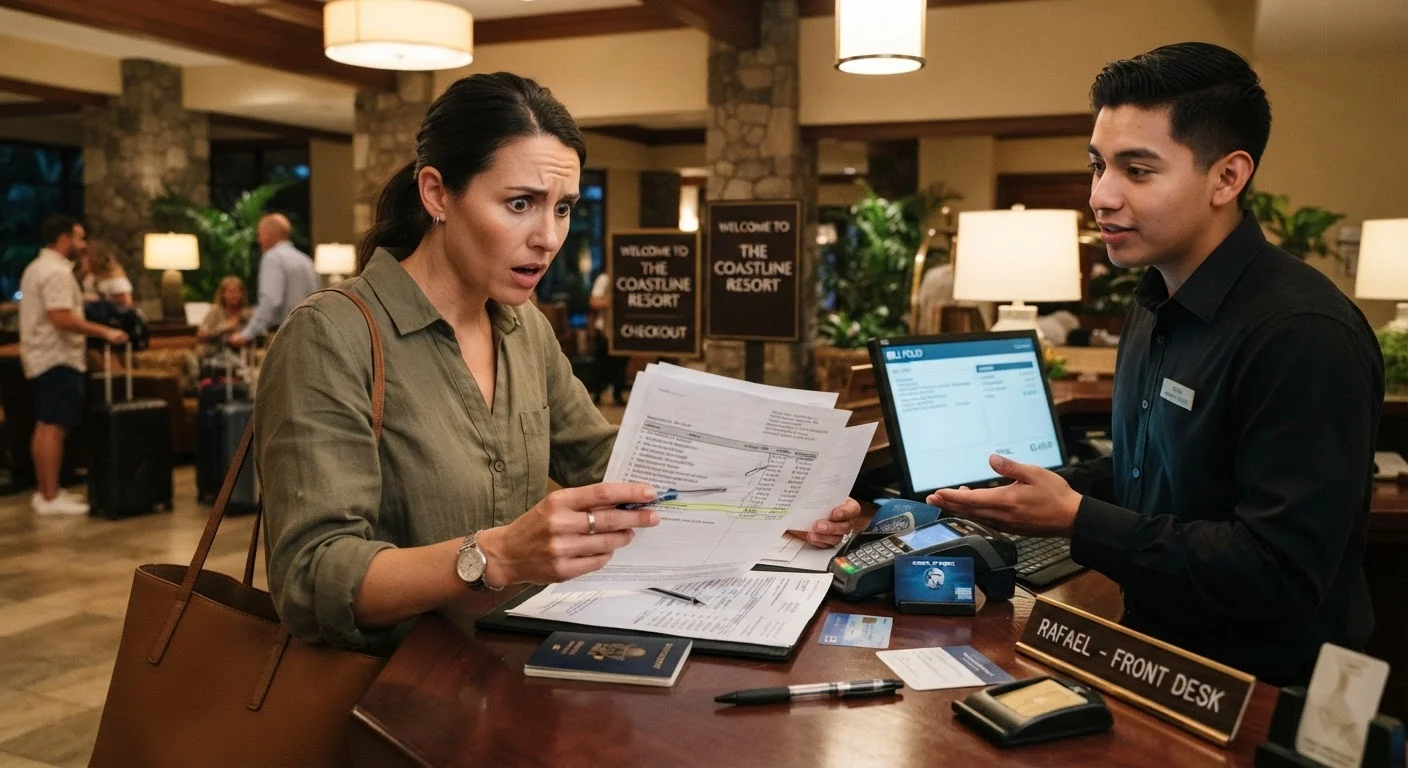
Trip budgets fall apart not because travelers are careless, but because the travel industry structures pricing in a way that separates the attractive headline number from the realistic total. A hotel listing shows $129 per night; by checkout, the total reflects $179 after mandatory fees. A flight advertises $89 each way; bags and a seat assignment push the real cost past $160. These aren't accidents - they reflect how pricing pages are legally permitted to display costs.
The good news is that once you know what to look for, most hidden costs are findable before you book. The goal of this guide is to walk you through the most common categories travelers overlook, why they happen, and what you can do differently. If you haven't built your overall trip budget yet, understanding what actually drives trip costs is a useful starting point before diving into the specifics below.
Treating the advertised hotel rate as the full nightly cost without accounting for resort fees.
Why it happens: Hotel search results typically display a base room rate, but mandatory resort fees - which can range from $20 to over $50 per night - are disclosed only at checkout or in the fine print.
Ignoring parking costs when booking accommodations or flights that require driving.
Why it happens: Parking is rarely mentioned during the reservation process, so travelers assume it's included or negligible. Airport parking and hotel valet fees can each run $30-$60 per day in major cities.
Booking flights based on the base fare without checking baggage and seat selection fees.
Why it happens: Airlines prominently advertise the lowest per-person fare, which often excludes any checked luggage or assigned seating. Travelers with families or those who need overhead bin space can find fees exceeding the original ticket price.
Underestimating the cost of transportation within a destination, including rideshare surge pricing.
Why it happens: Travelers focus their budgeting on airfare and accommodations and treat local getting-around as a minor afterthought. Rideshare surge pricing during peak hours, concert nights, or bad weather can multiply expected fares several times over.
Forgetting to account for currency conversion costs and ATM withdrawal fees when traveling internationally.
Why it happens: Travelers assume their home bank card works abroad without added cost, or they exchange currency at the airport kiosk without checking the rate applied.
Not reading cancellation and change fee terms before booking non-refundable rates.
Why it happens: Non-refundable rates are displayed alongside refundable ones with little visual distinction, and the savings appear attractive in the moment. Travelers overlook the cancellation window details until a plan changes.
Building a Buffer and Reading Every Line Item
Even experienced travelers are occasionally caught by a fee they didn't anticipate. The most reliable protection is a budget that includes a deliberate buffer - generally 15-20% above your itemized estimate - to cover incidentals, price changes, and anything that gets added at checkout. Think of this as a built-in cushion rather than extra spending money.
$30-$50+
Typical nightly resort fee range
Mandatory resort fees charged by many U.S. hotel and resort properties are generally disclosed only at the time of booking or in the property's fine print.
1-3%
Common foreign transaction fee on U.S. cards
Many standard U.S.-issued credit and debit cards apply a foreign transaction fee on purchases made abroad or in foreign currencies.
20-30%
Estimated taxes and fees above base travel price
Taxes, surcharges, and mandatory fees commonly add 20-30% or more on top of base advertised prices for flights and accommodations.
Beyond the buffer, the habit that makes the biggest difference is reviewing the full payment summary before confirming any reservation. Every booking platform is required to display the complete charge before you submit payment - the total is there, even if it's displayed in smaller type. Scroll to it, read each line, and only confirm when you understand every charge. For international travel, don't forget the currency-related costs covered in the warning below.
Foreign Transaction Fees Add Up Fast
Many standard U.S. debit and credit cards charge a foreign transaction fee - typically 1-3% - on every purchase made abroad or in a foreign currency. Over the course of a week-long international trip, these small percentages can represent a noticeable sum. Check your card's fee schedule before departure, and verify with official government sources any local regulations around currency exchange at your destination.
Understanding the full picture of your trip costs also connects to broader questions about timing and pricing patterns. For example, booking early doesn't always guarantee the lowest price, and knowing when dynamic pricing works in or against your favor can affect your total spend significantly. A realistic, eyes-open approach to budgeting - one that treats advertised rates as starting points rather than final answers - is the single most effective tool a traveler can bring to the planning process.
Always Verify the Total Price Before Confirming
Advertised rates for flights, hotels, and rental cars almost never reflect the final amount you'll pay. Taxes, fees, and surcharges are added at checkout and can represent 20-30% or more of the base price. Never assume the number you see in a search result is what you'll be charged - always click through to the payment summary and read every line item before entering your payment details.