

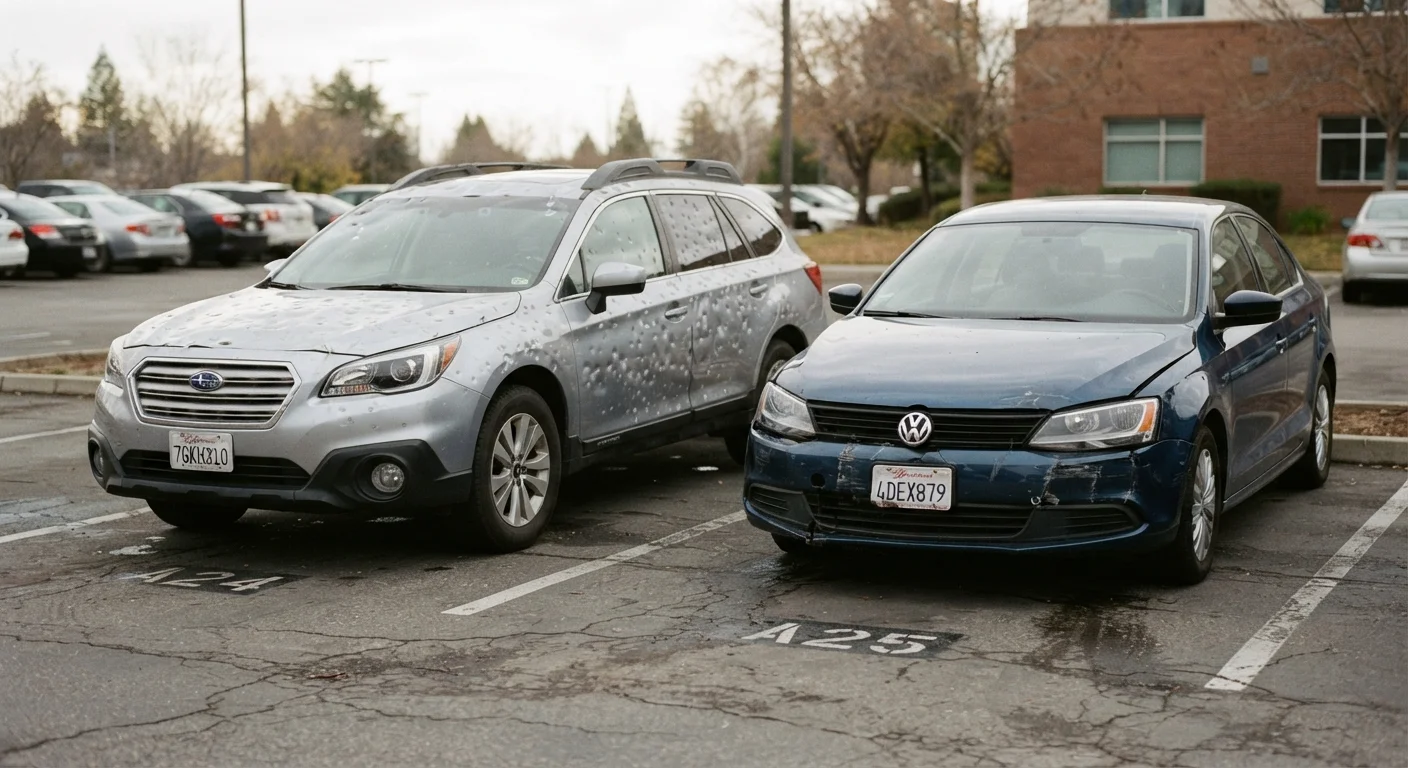
Key Takeaways
- Comprehensive covers non-collision damage: theft, weather, fire, animals, and falling objects.
- Collision covers damage to your vehicle when it hits - or is hit by - another vehicle or object.
- Neither coverage is legally required by most states, but lenders typically mandate both.
- Your deductible applies to both types; choosing a higher deductible lowers your premium.
- Understanding which coverage applies helps you file claims correctly and avoid surprises.
- Together, these two coverage types are commonly referred to as 'full coverage' alongside liability.
Option A
Comprehensive Coverage
Protection against the unexpected - when the damage isn't from a crash.
Best for: Drivers who want financial protection from weather events, theft, falling objects, and other non-collision incidents.
Option B
Collision Coverage
The coverage that kicks in when your car physically impacts something.
Best for: Drivers who want repair or replacement coverage when their vehicle strikes another object or vehicle.
If you drive an older vehicle with low market value
Neither - evaluate carefully
When a car's market value is close to or lower than your deductible plus annual premium cost, carrying comprehensive or collision may not be financially worthwhile.
If you're financing or leasing your vehicle
Both Comprehensive and Collision Coverage
Lenders and lessors nearly always require both to protect their financial interest in the vehicle throughout the loan or lease term.
If you live in an area prone to hail, flooding, or high vehicle theft
Comprehensive Coverage
Comprehensive directly addresses the risks most common to your environment - damage from weather events, natural disasters, and theft.
If you frequently drive in heavy traffic or have a long daily commute
Collision Coverage
Higher exposure to other vehicles increases the statistical likelihood of an at-fault or disputed accident - situations where collision coverage pays for your vehicle's repairs.
If you own a newer or high-value vehicle outright
Both Comprehensive and Collision Coverage
The higher the vehicle's value, the more financial exposure you carry without these coverages - replacement or repair costs can reach tens of thousands of dollars.
What Comprehensive Coverage Actually Covers
Despite its name, comprehensive coverage doesn't cover everything - it covers a specific category of incidents: those that aren't the result of your vehicle colliding with something. Insurers sometimes call this "other than collision" coverage, which is actually a more precise description.
Comprehensive typically pays to repair or replace your vehicle if it's damaged by:
- Theft or attempted theft
- Weather events including hail, flooding, wind, and ice storms
- Fire
- Vandalism
- Falling objects, such as tree branches or debris
- Contact with animals - for example, striking a deer
- Natural disasters including earthquakes and tornadoes
One clarifying detail worth knowing: if a tree falls on your parked car during a storm, that's a comprehensive claim. But if you swerve to avoid a deer and hit a guardrail, that's a collision claim - even if an animal was involved.
The "Full Coverage" Shorthand Explained
When people say a car has "full coverage," they generally mean it carries liability, comprehensive, and collision coverage together. However, "full coverage" isn't an official insurance term - no single policy covers every possible scenario. Always review your actual policy declarations page to confirm what's included and what your limits are.
For a broader look at setting up your coverage from scratch, see our guide on car ownership essentials from day one.
What Collision Coverage Actually Covers
Collision coverage pays to repair or replace your vehicle when it makes physical contact with another object - regardless of who is at fault. That distinction matters: even if the accident was entirely the other driver's fault, your collision coverage can step in so you don't have to wait on the other insurer to settle the claim.
Collision coverage applies when your vehicle:
- Strikes another vehicle
- Is struck by another vehicle (if the other driver is uninsured or a dispute is unresolved)
- Hits a stationary object - a guardrail, fence, pole, or parked car
- Rolls over
What collision does not cover: damage to the other party's property (that's handled by your liability coverage), your medical bills (addressed by medical payments or personal injury protection coverage), or any non-impact damage to your own vehicle.
| Criterion | Comprehensive Coverage | Collision Coverage |
|---|---|---|
| Core trigger | Non-collision incidents | Physical impact with object or vehicle |
| Covers theft | Yes | No |
| Covers weather damage | Yes (hail, flood, wind) | No |
| Covers animal contact | Yes (e.g., striking a deer) | No (unless you hit an object swerving) |
| Covers rollover | No | Yes |
| Covers at-fault accident | No | Yes |
| Deductible applies | Yes | Yes |
| Required by law | No (most states) | No (most states) |
| Required by lenders/lessors | Typically yes | Typically yes |
If you're still weighing vehicle ownership decisions more broadly, the comparison of owning vs. leasing covers how coverage obligations differ between the two arrangements.
Deductibles, Premiums, and the Cost Trade-Off
Both comprehensive and collision coverage require you to pay a deductible - the amount you're responsible for before your insurer covers the rest of a claim. Common deductible amounts range from $250 to $1,500. A higher deductible lowers your monthly or annual premium, while a lower deductible means you pay less out of pocket after an incident but more each month.
~$357
Average annual cost of comprehensive coverage
According to the Insurance Information Institute, comprehensive coverage costs drivers roughly $357 per year on average, though this varies significantly by location and vehicle type.
~$526
Average annual cost of collision coverage
The Insurance Information Institute reports that collision coverage costs more on average than comprehensive, reflecting the higher frequency of collision claims filed each year.
6 in 10
Insured drivers carrying both coverage types
Industry data consistently shows the majority of privately insured passenger vehicles carry both comprehensive and collision coverage, often driven by lender requirements.
When deciding how much deductible to carry, a useful exercise is to compare your annual premium cost against the realistic repair or replacement value of your vehicle. If your vehicle's current market value is only a few thousand dollars, paying a substantial annual premium for collision coverage may not make financial sense. This is sometimes called being "upside down" on coverage costs.
It's also worth noting that comprehensive and collision claims can affect your insurance rates at renewal, even when you were not at fault - though the exact impact varies by insurer and state. Reviewing your policy's claims impact language before filing a small claim is generally a sound practice.
This article provides general information about auto insurance coverage types and is not a substitute for advice from a licensed insurance professional. Coverage availability, terms, and costs vary by insurer and state.