

Key Takeaways
- Skipping routine maintenance rarely saves money - it typically shifts smaller costs into larger future repairs.
- Water intrusion, wood rot, and HVAC neglect are among the most expensive consequences of deferred upkeep.
- A basic home maintenance schedule can prevent the majority of common and costly repair emergencies.
- Homeowners who budget proactively for upkeep avoid the financial shock of unplanned repair bills.
Frees up cash for more urgent immediate needs
When money is genuinely tight, delaying a non-critical repair - such as repainting a bedroom or replacing aging but functional weatherstripping - can make sense as a short-term cash-flow decision.
Allows time to research contractors and compare costs
Rushing a repair out of anxiety can lead to overpaying or hiring an unvetted contractor. A brief, planned delay gives homeowners time to gather multiple estimates and check references.
Some issues resolve or stabilize on their own
Minor cosmetic concerns - surface efflorescence on concrete, for instance - sometimes stabilize without intervention, making it reasonable to monitor before committing to a repair.
Small problems consistently escalate into expensive ones
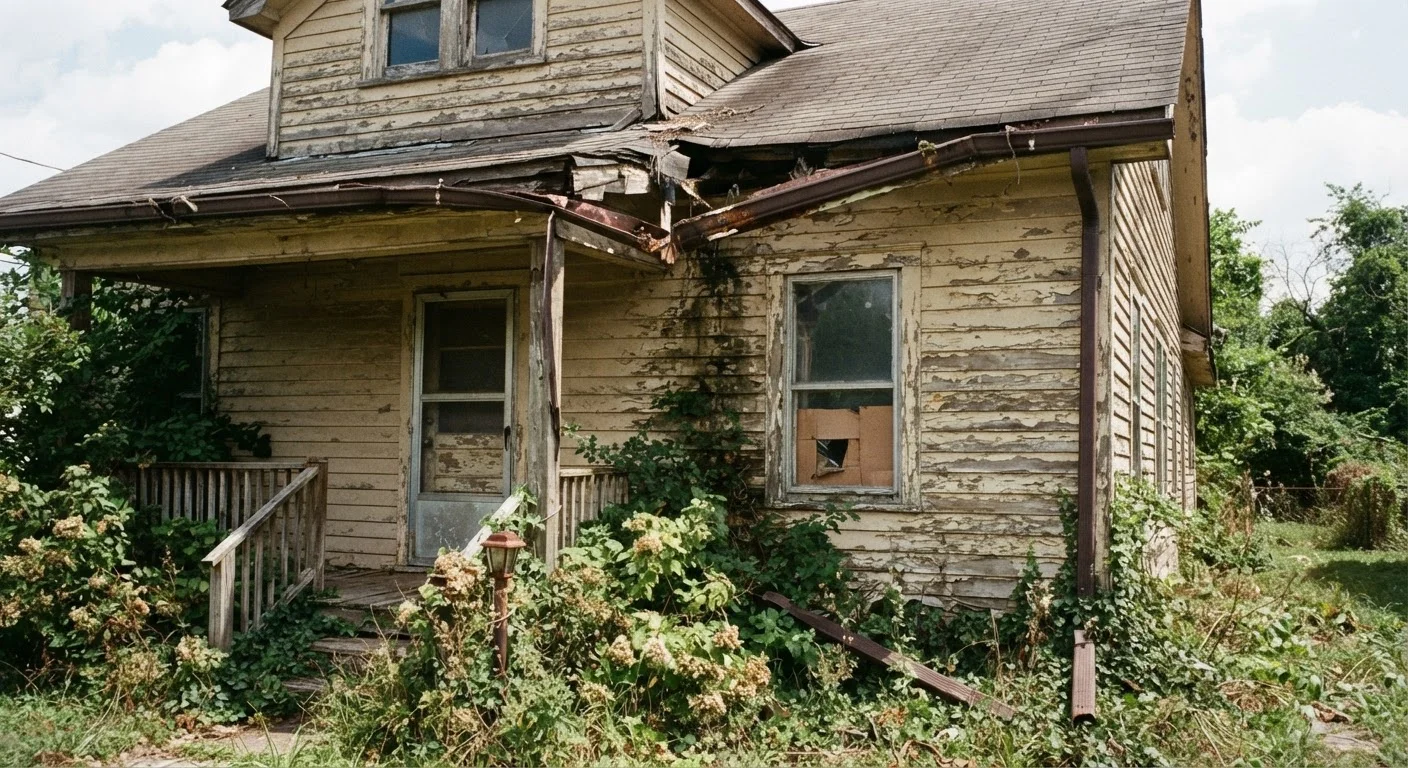
Water, rot, and pest damage follow the path of least resistance through a home's structure. What costs a few hundred dollars to fix today can require thousands of dollars in remediation after years of neglect.
Emergency repairs carry significant premium costs
When a neglected system fails suddenly - a furnace in January, a roof during heavy rain - homeowners pay urgency pricing and have little time to compare contractors or options.
Deferred maintenance reduces home resale value
Buyers and home inspectors identify maintenance backlogs quickly. A home with visible deferred upkeep typically receives lower offers and may face required repairs as a condition of sale.
Habitual neglect can void home insurance coverage
Many homeowner insurance policies exclude damage that results from gradual deterioration or lack of maintenance. A slow roof leak that becomes a ceiling collapse may not be covered if the insurer determines it was preventable.
Safety hazards can develop silently
Deferred maintenance on electrical panels, gas appliances, or structural elements can create serious safety risks that aren't visible until a failure occurs. These aren't situations where delay is a reasonable trade-off.
Our Verdict
Deferred maintenance is a short-term relief that almost always becomes a long-term financial burden. While there are limited circumstances where postponing a non-urgent repair is reasonable, the pattern of consistently delaying upkeep leads to compounding damage and significantly higher costs. Staying ahead of routine maintenance - even modestly - protects both your home's value and your household budget.
Homeowners who want to protect their investment, avoid emergency repair bills, and maintain their property's safety and value over time.
What Deferred Maintenance Actually Means
Deferred maintenance refers to the practice of postponing routine upkeep tasks - intentionally or through neglect - to save money or time in the short term. This includes skipping annual HVAC filter changes, ignoring a slow roof leak, or putting off exterior caulking year after year.
Most homeowners defer maintenance not out of carelessness but because the problem seems minor or the budget feels tight. The challenge is that homes are systems. When one component deteriorates without attention, it tends to affect surrounding materials and structures. A small gap in roof flashing, for example, can allow water to seep into roof sheathing, then into attic insulation, and eventually into ceiling drywall - turning a $200 repair into a $5,000 project.
Understanding the mechanics of how deferred maintenance escalates is the first step toward making smarter decisions about when and how to address upkeep. See common home maintenance myths that lead many homeowners to delay tasks that actually matter most.
The Real Costs of Putting Things Off
The financial impact of deferred maintenance follows a predictable pattern: small problems become medium problems, and medium problems become structural ones. Here are some of the most common and costly examples:
- Roof and gutter neglect: Clogged gutters redirect water toward your foundation. Over time, this causes soil erosion, basement moisture intrusion, and in severe cases, foundation cracking - repairs that can run into the tens of thousands of dollars.
- HVAC system delays: Skipping annual servicing reduces efficiency and shortens equipment lifespan. A system that should last 15 years may fail at 10, requiring a full replacement rather than a $150 tune-up.
- Exterior wood and paint: Failing paint or caulk allows moisture into wood trim, siding, and framing. Rot can spread quickly and require board-by-board replacement rather than a simple repaint.
- Plumbing slow leaks: A dripping pipe under a sink may seem trivial, but persistent moisture leads to mold growth and subfloor damage that is far more disruptive and expensive to remediate.
1%-3%
Of home value spent annually on maintenance
Industry estimates suggest homeowners can expect to spend between 1% and 3% of their home's value each year on upkeep and repairs, with older homes often trending toward the higher end.
3x-5x
Cost multiplier when repairs are delayed
Home repair professionals commonly observe that deferred maintenance problems - particularly water-related - can cost three to five times more to fix after secondary damage sets in compared to early intervention.
These costs also ripple into your household financial planning. Unplanned emergency repairs regularly derail budgets. The hidden costs most household budgets forget often include irregular repair bills that homeowners consistently underestimate year after year.
Pros and Cons of Deferring Maintenance
There are circumstances where delaying a non-urgent repair is a defensible short-term choice - but it requires clear-eyed awareness of the tradeoffs involved.
Frees up cash for more urgent immediate needs
When money is genuinely tight, delaying a non-critical repair - such as repainting a bedroom or replacing aging but functional weatherstripping - can make sense as a short-term cash-flow decision.
Allows time to research contractors and compare costs
Rushing a repair out of anxiety can lead to overpaying or hiring an unvetted contractor. A brief, planned delay gives homeowners time to gather multiple estimates and check references.
Some issues resolve or stabilize on their own
Minor cosmetic concerns - surface efflorescence on concrete, for instance - sometimes stabilize without intervention, making it reasonable to monitor before committing to a repair.
Small problems consistently escalate into expensive ones
Water, rot, and pest damage follow the path of least resistance through a home's structure. What costs a few hundred dollars to fix today can require thousands of dollars in remediation after years of neglect.
Emergency repairs carry significant premium costs
When a neglected system fails suddenly - a furnace in January, a roof during heavy rain - homeowners pay urgency pricing and have little time to compare contractors or options.
Deferred maintenance reduces home resale value
Buyers and home inspectors identify maintenance backlogs quickly. A home with visible deferred upkeep typically receives lower offers and may face required repairs as a condition of sale.
Habitual neglect can void home insurance coverage
Many homeowner insurance policies exclude damage that results from gradual deterioration or lack of maintenance. A slow roof leak that becomes a ceiling collapse may not be covered if the insurer determines it was preventable.
Safety hazards can develop silently
Deferred maintenance on electrical panels, gas appliances, or structural elements can create serious safety risks that aren't visible until a failure occurs. These aren't situations where delay is a reasonable trade-off.
The key distinction is between intentional, time-limited deferral - where you document the issue, monitor it, and have a firm plan to address it - and habitual neglect, where tasks are repeatedly pushed aside with no follow-through. The former can be a reasonable cash-flow management tool; the latter is where serious financial harm accumulates.
Building a Realistic Maintenance Habit
The most effective way to avoid the trap of deferred maintenance is to shift from reactive repairs to a simple proactive schedule. You don't need a large budget or professional expertise to start - consistency matters more than perfection.
Start with a seasonal walk-through
Each spring and fall, walk through your home and yard looking for obvious issues: cracks in caulking, signs of water staining, deteriorating weatherstripping, loose gutters, and any new noises from mechanical systems. Catching problems early - when they're still inexpensive - is the entire goal.
Set aside a maintenance fund
A commonly cited guideline is to budget roughly 1% of your home's value annually for maintenance and repairs, though actual costs vary considerably depending on the age, size, and condition of your home. Building this into your household budget as a fixed monthly line item means you're not scrambling when something breaks. Building a budget that survives real life includes practical strategies for creating this kind of financial cushion alongside your other priorities.
Prioritize by consequence
Not every deferred task carries equal risk. Water intrusion, electrical issues, gas-related equipment, and structural concerns should be addressed immediately. Cosmetic issues - a scuffed interior wall, a squeaky door hinge - can generally wait without compounding into something worse.
When to Call a Licensed Professional
Tasks involving electrical wiring, gas lines, structural supports, or roofing often require permits and licensed contractors in most U.S. jurisdictions. Attempting these repairs without proper credentials can void insurance, create liability, and result in failed inspections at resale. Always verify your local building code requirements before starting any significant repair project.
The same compounding-cost logic applies beyond the home. Habits that quietly shorten the life of your car explores how the same pattern of skipped upkeep accelerates deterioration in vehicles - another area where small delays lead to large, avoidable expenses.