

Key Takeaways
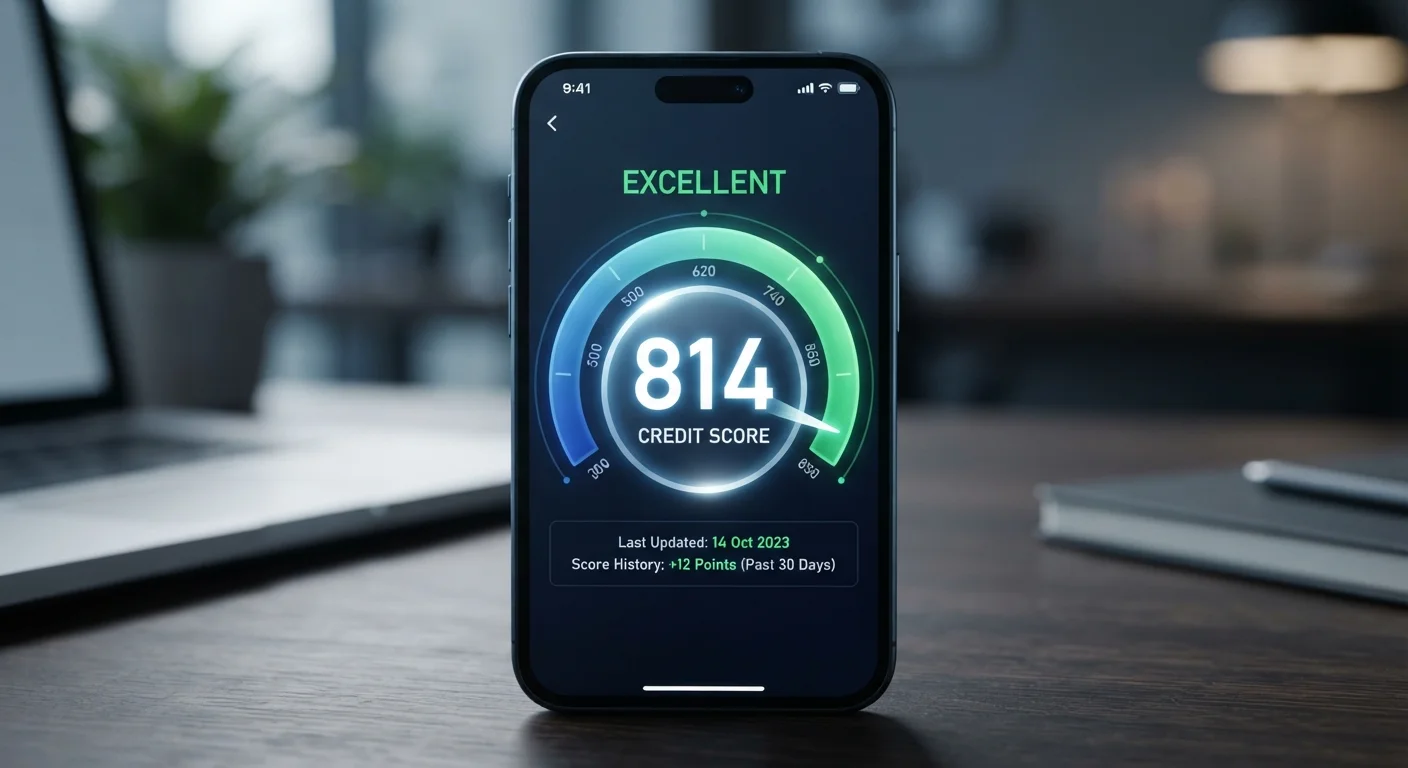
- Credit scores range from 300 to 850; most lenders consider 670 or above to be good.
- Payment history carries the most weight - typically about 35% of your FICO Score.
- A higher score generally means access to lower interest rates and better loan terms.
- Multiple scoring models exist; your score may differ slightly depending on which one is used.
- You can check your credit score for free without it affecting your score.
Credit Score
A credit score is a three-digit number - typically ranging from 300 to 850 - that summarizes how reliably you've managed borrowed money. Lenders use it to quickly assess how likely you are to repay a new loan or credit card. The higher the number, the lower the risk you appear to a lender.
The most widely used scoring model in the U.S. is the FICO Score, though VantageScore is also common. Each model weighs similar factors but uses slightly different formulas, so scores can vary between them.
The Score Ranges and What They Signal
Credit scores don't exist in a vacuum - they're meaningful only in context. Here's how the standard FICO score tiers are generally interpreted by lenders:
| Score Range | Category | What It Typically Means |
|---|---|---|
| 800-850 | Exceptional | Qualifies for the most favorable terms |
| 740-799 | Very Good | Better-than-average rates and approvals |
| 670-739 | Good | Near or above the national average; most lenders will approve |
| 580-669 | Fair | Higher rates; some lenders may decline |
| 300-579 | Poor | Limited options; higher-cost credit or denial likely |
These ranges aren't rigid rules - individual lenders set their own approval thresholds and pricing. But the general principle holds: a higher score expands your options and reduces your borrowing costs. Understanding where your score sits is the first step toward knowing what to work on.
716
Average U.S. FICO Score
According to Experian's State of Credit report, the average American FICO Score has hovered around 716 in recent years, placing most Americans in the "good" range.
35%
Weight of payment history in FICO Score
FICO's published scoring methodology identifies payment history as the single most influential factor, accounting for approximately 35% of your score.
1 in 5
Americans with a credit report error
The Federal Trade Commission has found that roughly one in five consumers has an error on at least one of their credit reports that could affect their score.
How Your Score Is Calculated
Your credit score isn't random. It's built from specific, weighted factors pulled from your credit report. Under the FICO model, those factors break down roughly as follows:
- Payment history (≈35%): Whether you've paid bills on time. Even one missed payment can cause a notable drop.
- Credit utilization (≈30%): How much of your available revolving credit you're using. Keeping balances low relative to your limits helps your score.
- Length of credit history (≈15%): How long your accounts have been open. Older accounts generally strengthen your profile.
- Credit mix (≈10%): Having a variety of account types - credit cards, installment loans, a mortgage - can benefit your score modestly.
- New credit (≈10%): How recently you've applied for credit. Multiple applications in a short period can signal risk.
See our deeper look at each scoring factor for a full breakdown of how these elements interact.
Keep Utilization Below 30%
A commonly cited guideline is to keep your credit card balances below 30% of each card's limit - and ideally below 10% for the strongest scores. This applies per card, not just across all your cards combined. Even if you pay in full each month, the balance reported on your statement date is what gets counted.
Why Lenders Care - and What's at Stake
Lenders use your credit score as a shorthand for financial risk. From their perspective, it answers a simple question: if we lend this person money, how likely are they to pay it back? That answer affects three things: whether you're approved, how much you can borrow, and at what interest rate.
The financial stakes are real. A borrower with an exceptional score may receive a meaningfully lower interest rate on a mortgage than someone with a fair score - a difference that can translate into tens of thousands of dollars over the life of a loan. That's why understanding your annual percentage rate alongside your credit score gives you a more complete picture of what you're actually paying to borrow.
Credit scores also affect situations beyond borrowing. Landlords often run credit checks before approving rentals, and some employers - particularly in finance-related fields - may review credit history as part of hiring. Your score is a financial signal that extends well beyond the loan desk.
Scores Vary by Model and Bureau
Don't be alarmed if your score looks different depending on where you check it. Each credit bureau may hold slightly different account data, and FICO and VantageScore use different algorithms. These differences are normal. Focus on the general tier your score falls in rather than chasing an exact number.
Reading Your Score in Context
A single number only tells part of the story. Your credit score is a snapshot derived from your credit report - the underlying document that records your account history, balances, payment behavior, and public records. Errors in that report can drag your score down unfairly, which is why it's worth reviewing regularly.
Our guide to reading your credit report walks through each section so you can spot inaccuracies and understand what creditors actually see when they pull your file. Under federal law, you're entitled to a free credit report from each of the three major bureaus annually through AnnualCreditReport.com.
Once you know where your score stands, protecting it becomes an ongoing habit. Some of the behaviors that erode credit are surprisingly subtle - for example, closing old accounts or letting a small balance go to collections. Our companion article on credit habits that silently hurt your score covers the patterns worth watching.
This article is for general informational and educational purposes only and does not constitute personalized financial or legal advice. Consult a qualified financial professional for guidance specific to your situation.