

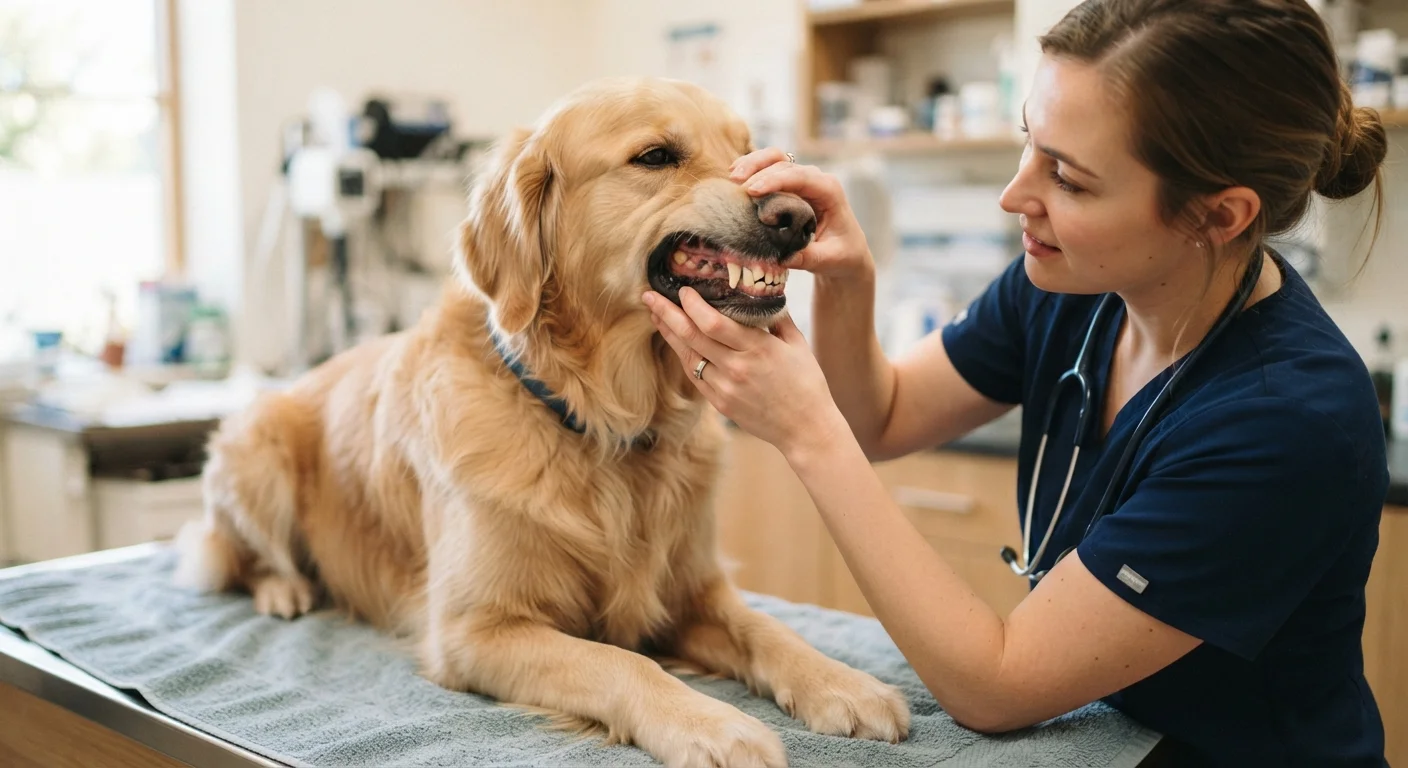
Key Takeaways
- Dental disease affects the majority of dogs by age three, often without obvious symptoms.
- Plaque and tartar buildup can lead to pain, tooth loss, and systemic health complications.
- Daily brushing is the most effective at-home tool, but it must be done correctly to help.
- Professional veterinary cleanings are the only way to fully remove hardened tartar.
- Diet, chews, and water additives can support oral health but are not substitutes for brushing.
- Early intervention is far less costly and stressful than treating advanced dental disease.
Why Dog Dental Health Deserves More Attention
According to veterinary estimates, periodontal disease - infection and inflammation of the structures that support the teeth - affects the vast majority of dogs by the time they reach three years of age. Yet dental care consistently ranks among the most neglected aspects of routine dog ownership. The reasons are understandable: bad breath seems like a minor inconvenience, and most dogs don't visibly wince from tooth pain. But the consequences of ignored oral health can extend well beyond the mouth, potentially affecting the heart, kidneys, and liver.
This article outlines the key things many owners overlook, what the science and veterinary guidance actually say, and practical steps you can take starting today. As with any health topic, speak with your veterinarian for guidance specific to your dog's age, breed, and condition. This article provides general information only - it is not a substitute for professional veterinary advice.
Plaque becomes tartar faster than most owners realize
Plaque - a soft film of bacteria - begins forming on your dog's teeth within hours of eating. Left undisturbed, it mineralizes into tartar (also called calculus) within days. Once tartar hardens onto the tooth surface, it cannot be removed by brushing at home; only a professional dental cleaning performed under anesthesia can eliminate it. This rapid timeline is why waiting until you notice a problem is often waiting too long.
Plaque can calcify into tartar within days, making early brushing essential.
Brushing technique matters as much as frequency
Many owners attempt brushing but see limited benefit because of how it's done. The goal is to reach the gumline - where bacteria accumulate and cause the most damage - using a soft-bristled brush angled at roughly 45 degrees to the tooth surface. Use only toothpaste formulated for dogs, as human toothpaste typically contains fluoride and xylitol, both of which are toxic to dogs. Short, circular strokes along the outer surfaces of the back teeth are where effort pays off most. Building up gradually over several sessions helps dogs accept the process.
Angling the brush at the gumline, not just the tooth surface, is where brushing does its real work.
Bad breath is a symptom, not just an odor
A faint, mild odor after eating is generally not a concern. Persistent, notably foul breath - often described as rotting or fishy - is typically a sign of bacterial overgrowth associated with periodontal disease or, in some cases, other systemic issues. It's worth raising with your vet rather than masking with dental chews or sprays alone. Treating the odor without addressing its cause rarely improves the underlying condition.
Persistent bad breath in dogs is a clinical signal worth discussing with your vet.
Dental chews and additives help but have clear limits
Veterinary dental chews that carry a seal from a recognized veterinary dental organization have been evaluated for their ability to reduce plaque or tartar. Water additives and dental wipes can also play a supporting role. However, these tools work best as supplements to brushing - not replacements. Their effectiveness also depends on your dog actually chewing (rather than gulping), the correct sizing, and consistent use. Diet can also play a role: see our comparison of wet food vs. dry kibble, including how each affects dental health.
Dental chews are a useful supplement to brushing, not a standalone solution.
Professional cleanings require anesthesia - and that's appropriate
Some owners hesitate at the idea of anesthetic dental procedures, and it's a reasonable question to discuss with your vet. However, anesthesia-free cleanings, where a dog is restrained and only the visible tooth surface is scaled, do not address the subgingival (below the gumline) areas where periodontal disease actually develops. Veterinary organizations caution that these procedures can give a false sense of security. A thorough professional cleaning performed under anesthesia, with appropriate pre-procedure health screening, allows the vet to safely probe, X-ray, and treat the full tooth and root system.
Only an anesthetized professional cleaning can safely address below-the-gumline disease.
Some breeds and life stages face higher risk
Small and toy breeds - such as Chihuahuas, Yorkshire Terriers, and Dachshunds - are generally more predisposed to dental crowding and early periodontal disease due to the proportion of tooth size to jaw size. Brachycephalic breeds (flat-faced dogs like Bulldogs and Pugs) also tend to have atypical tooth alignment that complicates cleaning. Puppies should have their baby teeth monitored to ensure they fall out normally, while senior dogs may need more frequent professional evaluations. Incorporating dental monitoring into your dog's routine is especially important at these life stages - our guide to building a daily routine can help you make it a consistent habit.
Small breeds and seniors are at elevated risk and often benefit from more proactive dental monitoring.
Putting It All Together for Your Dog
Good dental care doesn't have to be overwhelming. A realistic routine - daily brushing where possible, appropriate chews, and scheduled vet checkups - goes a long way toward keeping your dog comfortable and healthy throughout their life. If your dog is already showing signs of dental discomfort, such as dropping food, pawing at the mouth, or reluctance to chew, contact your veterinarian promptly rather than waiting for the next routine visit.
Start Dental Habits Early
Puppies that are introduced to mouth handling, toothbrushing, and dental exams during their early socialization period are generally far more cooperative as adults. Even if your dog is older, gradual desensitization - starting with finger touches near the mouth before introducing a brush - can make the process much easier for both of you. Consistency over weeks is more productive than occasional, stressful attempts.
Dental care is just one piece of a well-rounded health plan. For a broader look at what your dog needs across their lifetime, see our complete care overview - and if your dog is entering their senior years, learn how their needs shift with age.
This article is for general informational purposes only and does not constitute veterinary or medical advice. Always consult a licensed veterinarian regarding your individual pet's health needs.