

Key Takeaways
- Most dogs are considered senior between ages 7 and 10, depending on their size and breed.
- Veterinary checkups should increase to twice yearly once a dog reaches senior status.
- Exercise remains important but should shift to shorter, lower-impact sessions.
- Senior-specific nutrition supports joint health, organ function, and healthy weight.
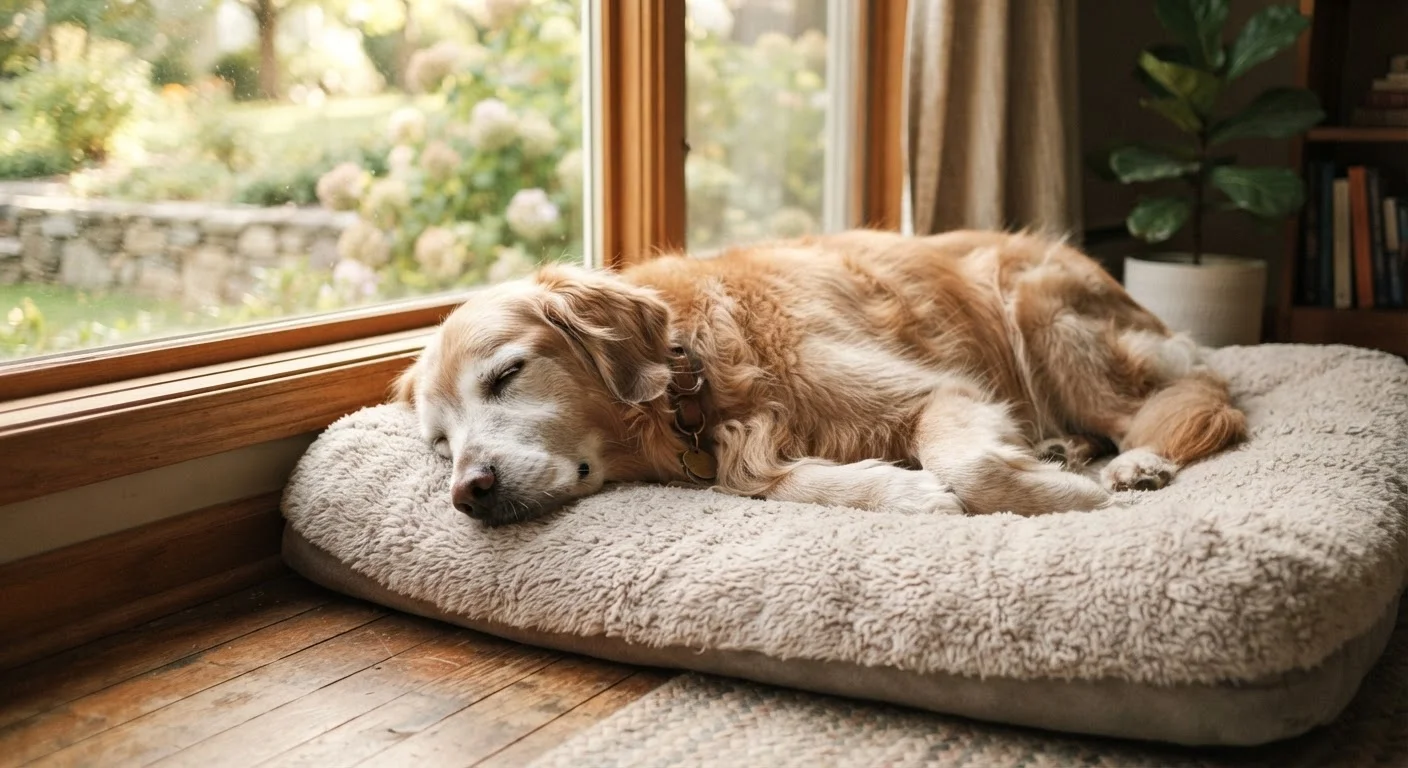
- Environmental modifications like ramps and orthopedic bedding can significantly improve comfort.
- Early detection of age-related conditions through regular monitoring leads to better outcomes.
What you will need
When Does a Dog Become a 'Senior'?
There's no single birthday that turns a dog into a senior - the transition depends largely on size. Smaller breeds, such as Chihuahuas and Beagles, generally reach their senior years around age 10 to 12, while large and giant breeds like German Shepherds and Great Danes may be considered senior as early as 6 or 7. As a general guide, most veterinarians begin applying senior-care frameworks at around age 7.
This matters because the earlier you recognize the shift, the sooner you can make proactive changes. Aging is not a disease, but it does bring predictable changes in metabolism, joint health, sensory function, and organ performance. Understanding those changes helps you act before problems become serious.
For a broader view of what responsible ownership looks like across every stage of a dog's life, see our complete dog care overview.
What You'll Need Before Getting Started
Before adjusting your senior dog's care plan, gather the tools and resources that make these changes practical and sustainable.
What you will need
Orthopedic dog bed
Provides joint support and pressure relief for senior dogs prone to arthritis or stiffness.
Dog ramp or steps
Allows aging dogs to reach furniture or vehicles without straining arthritic joints.
Non-slip floor mats
Reduces slipping on hardwood or tile floors, which can cause injury in dogs with weakened hindquarters.
Senior-formula dog food
Formulated to support older dogs' reduced caloric needs and common age-related health concerns.
Pill organizer or medication log
Helps owners consistently track any supplements or medications prescribed by their vet.
Step-by-Step: Adapting Care for an Aging Dog
The following steps walk you through the most impactful areas to address as your dog moves into their senior years. Work through these with your veterinarian as a partner - this guide is intended as general educational information, not a substitute for professional veterinary advice tailored to your individual dog.
Schedule a Senior Wellness Exam
Book a comprehensive veterinary exam specifically framed as a senior wellness visit. Ask your vet to assess joint health, organ function via bloodwork and urinalysis, dental condition, vision, hearing, and body weight. This baseline helps establish what's normal for your dog and flags anything that needs monitoring or treatment.
Going forward, most veterinarians recommend twice-yearly checkups for senior dogs rather than the annual visits typical for younger pets. Age-related conditions can progress quickly, and more frequent monitoring improves early detection.
Adjust Exercise to Match Current Ability
Senior dogs still need regular physical activity - it supports healthy weight, joint mobility, and mental stimulation. The key is shifting from high-intensity sessions to shorter, more frequent, low-impact outings. A 20-minute walk twice daily is often more appropriate than a single long run.
Watch for signs that you've pushed too hard: excessive panting, limping afterward, or reluctance to move the following day. These signal a need to scale back. Swimming is a low-impact option many senior dogs tolerate well, provided they're comfortable in water and supervised at all times.
Transition to a Senior-Appropriate Diet
Work with your veterinarian to evaluate whether your dog's current food still meets their needs. Senior dogs often benefit from diets lower in calories but maintained in protein to preserve muscle mass. Some formulations include added omega-3 fatty acids to support joint health and cognitive function.
Avoid making dramatic dietary switches quickly. Transition gradually over 7 to 10 days by mixing increasing proportions of the new food with the old, to minimize digestive upset. Never add supplements without veterinary guidance, as some can interact with underlying health conditions or medications.
Modify the Home Environment for Comfort and Safety
Small environmental changes can make a meaningful difference in a senior dog's daily quality of life. Place non-slip mats on slippery floors, particularly near feeding areas and sleeping spots. If your dog sleeps on the furniture or needs to enter a vehicle, a ramp or set of pet steps removes the joint stress of jumping.
Position food and water bowls at a comfortable height - elevated feeders can ease strain in dogs with neck or shoulder stiffness. Ensure sleeping areas are warm and away from drafts, as older dogs are often more sensitive to cold.
Monitor Behavior and Physical Changes Closely
Ongoing observation is one of the most valuable tools you have. Track changes in appetite, water intake, urination frequency, sleep patterns, and social behavior. Confusion, increased vocalization at night, or apparent disorientation can be signs of canine cognitive dysfunction - a condition similar in some ways to dementia in humans - and warrants a veterinary conversation.
Create a simple log or use a notebook to record anything unusual. Patterns you notice at home are often things a vet cannot replicate during a clinic visit, and your observations are genuinely useful clinical data.
Mental Stimulation Matters Too
Senior dogs can benefit from gentle mental engagement, even as their physical activity decreases. Short training refreshers, puzzle feeders, and calm social interaction all help maintain cognitive health. Low-key enrichment activities are worth building into the daily routine consistently.
Common Pitfalls to Avoid
Even well-meaning owners can inadvertently make senior care harder. One of the most common mistakes is assuming that slowing down is simply "normal aging" and not worth mentioning to a vet - in reality, changes in mobility, appetite, or behavior can be early signs of treatable conditions. Prompt reporting matters.
Another frequent issue is maintaining the same feeding portions as when the dog was younger and more active. Caloric needs typically decrease with age, and an overweight senior dog faces amplified strain on joints and organs.
Finally, don't underestimate the value of dental care. Periodontal disease is widespread in adult dogs and becomes increasingly consequential with age, affecting not just the mouth but potentially heart and kidney health. Our dog dental health guide outlines what a sound oral care routine looks like.
Don't Dismiss Behavioral Changes as 'Just Old Age'
It can be tempting to attribute shifts in behavior, appetite, or activity level simply to aging. However, many of these changes are symptoms of manageable conditions - arthritis, dental pain, kidney disease, or hypothyroidism - that respond well to veterinary treatment. When in doubt, bring the change to your vet's attention rather than waiting.