

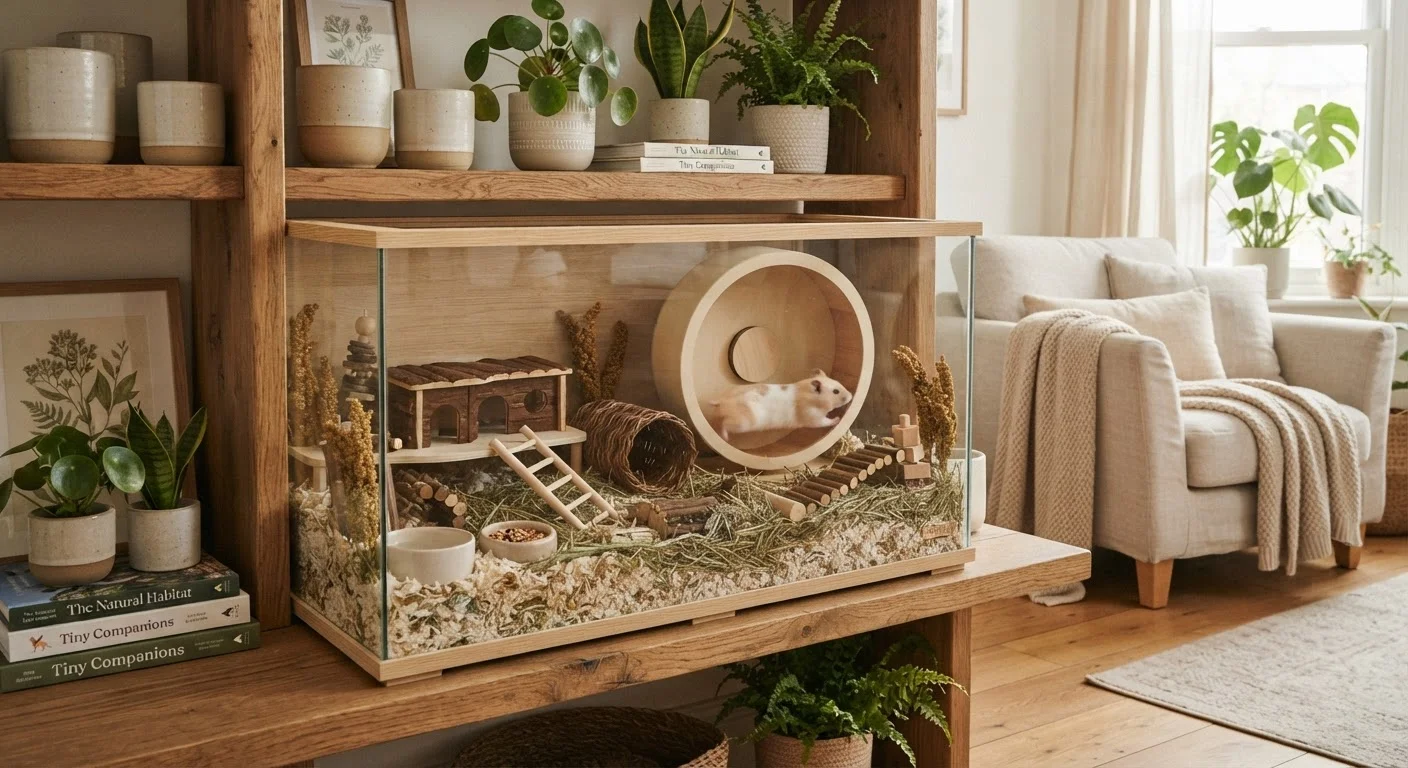
Key Takeaways
- Set up the full habitat before your pet arrives - not after - to reduce stress for both of you.
- Small pets like hamsters, rabbits, and birds each have distinct space, diet, and environmental needs.
- A quiet, low-traffic location for the enclosure helps new pets acclimate faster.
- Schedule a veterinary visit within the first week, even if your pet appears healthy.
- Limit handling during the first 48-72 hours to allow your new pet to settle in.
Summary
22 items · 30-60 minutes
Why the First Week Sets the Tone
Bringing a small pet home is an exciting milestone, but the first week is also one of the most stressful periods for any animal adjusting to a new environment. Hamsters, rabbits, guinea pigs, and birds are all sensitive to noise, unfamiliar smells, and abrupt handling. A little preparation before your pet arrives - not scrambled together on the day - can dramatically reduce that stress and help your new companion settle in with confidence.
This checklist is designed for first-time small pet owners and covers habitat setup, essential supplies, feeding basics, and early-week care routines. While the items here apply broadly, always research the specific needs of the species you're bringing home, since care requirements vary considerably. If you're still deciding which small animal fits your living situation, our guide on small pets that tend to suit apartment living can help you choose wisely before you commit.
Habitat Setup
Food and Water
Health and Veterinary Prep
Enrichment and Routine
Handling and Socialization
Tools and Supplies You'll Need
Before you run through the checklist, gather the right supplies. What you need depends on which species you're bringing home, but most small pets share a core set of essentials. Use the list below as a starting point - then research species-specific additions.
Species-appropriate enclosure
Provides your pet with a secure, correctly sized living space suited to their movement and behavioral needs.
Bedding or substrate
Lines the enclosure floor, absorbs moisture, and gives burrowing species like hamsters and guinea pigs an outlet for natural behavior.
Food dishes and water bottle or bowl
Delivers food and fresh water in a stable, hygienic way that suits your pet's size and feeding style.
Hide box or shelter
Gives your pet a private retreat to reduce stress, especially during the initial adjustment period.
Enrichment items (wheel, chew toys, perches, foraging toys)
Supports physical activity and mental stimulation appropriate to your species from day one.
Digital kitchen scale
Allows you to monitor your small pet's weight weekly - a simple, early indicator of health changes.
Transport carrier
Used to safely bring your pet home and for future veterinary visits without causing unnecessary stress.
If you're setting up a habitat for a rabbit specifically, our detailed walkthrough on setting up a safe habitat for a pet rabbit covers enclosure sizing, flooring choices, and how to bunny-proof your space safely.
Avoid Cedar and Pine Bedding
Cedar and pine wood shavings contain aromatic oils that can irritate the respiratory tracts of small mammals, including hamsters, gerbils, and guinea pigs. Stick to paper-based or aspen bedding options, and always verify with your veterinarian which substrate is appropriate for your specific species.
Making the Most of the First Week
Once your pet is home and the habitat is set up, resist the urge to dive into lengthy handling sessions right away. Small animals generally need 48 to 72 hours of quiet adjustment time before they feel safe in a new space. Sit near the enclosure and speak softly so your pet learns to associate your presence with calm, not disruption.
Keep a brief daily log noting what your pet eats, how active they seem, and whether droppings look normal - these are early indicators of health. If anything seems off, contact an exotic or small animal veterinarian promptly. Unlike dogs and cats, small pets often mask illness until symptoms are advanced, so early observation matters.
For context on how a first-week routine compares with a larger pet, you might find it useful to read what to expect in the first weeks with a new dog - the contrast highlights just how different small pet care can be.
This article is for general informational purposes only and is not a substitute for professional veterinary advice. Always consult a licensed veterinarian for guidance specific to your pet's health and species.