

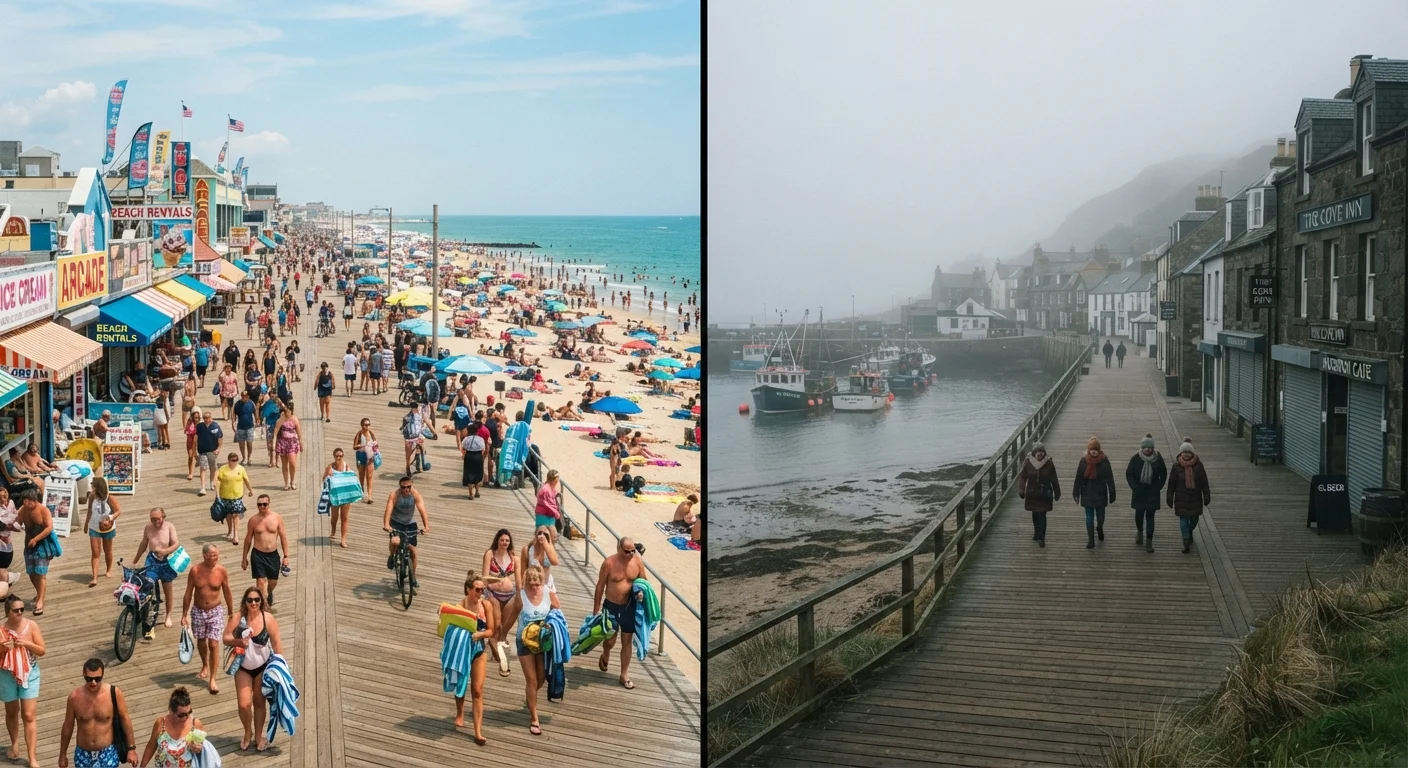
Key Takeaways
- Peak season generally means better weather and more open attractions, but higher prices and larger crowds.
- Off-season travel often costs less, but some services, venues, or routes may be reduced or unavailable.
- Shoulder season - the weeks just before or after peak - can offer a middle ground worth considering.
- The right timing depends on your priorities: budget, weather tolerance, crowd sensitivity, and flexibility.
- Always verify conditions, entry requirements, and availability with official sources before booking.
Favorable weather conditions at most destinations
Peak season is typically aligned with the best climate for a given location, reducing the chance of weather disruptions that could limit outdoor activities or sightseeing.
Full access to attractions, tours, and services
Restaurants, guided tours, transportation, and visitor centers are more likely to be fully operational during peak periods, giving travelers the most complete experience.
More reliable transportation schedules
Airlines and ground transport often run fuller schedules during peak season, making connections easier and increasing options for adjusting plans if needed.
Better suited for first-time visitors
With infrastructure running at full capacity, peak season is generally more forgiving for travelers unfamiliar with a destination's logistics and geography.
Lower prices on flights and accommodations
Demand drops off-season, and providers frequently respond with reduced rates on flights, hotels, and vacation rentals - though savings vary by destination and timing.
Fewer crowds at major attractions
Popular landmarks, parks, and beaches are far less congested in the off-season, making visits less rushed and more enjoyable for those who find peak crowds stressful.
More authentic, everyday atmosphere
Off-season travelers often encounter destinations operating for residents rather than tourists, which can lead to more genuine cultural experiences and interactions.
Some services and venues may be closed or reduced
Seasonal businesses - from tour operators to beachside restaurants - may close entirely during slow periods, limiting dining and activity options.
Weather may be genuinely challenging
Off-season timing often coincides with less desirable conditions: rain, cold, heat, or storm seasons that can meaningfully affect what's enjoyable or accessible at a destination.
Our Verdict
Neither peak nor off-season travel is universally better - they serve different traveler needs. Peak season delivers reliability, full access, and favorable conditions at a higher cost and with more competition for space. Off-season travel rewards flexibility with lower prices and quieter experiences, but requires more research and tolerance for variability.
Off-season travel suits budget-conscious, flexible travelers who don't mind adapting their plans, while peak season is the stronger fit for families with school-year constraints, first-time visitors, or anyone who needs predictability.
What Peak and Off-Season Actually Mean
Every destination has its own rhythm. Peak season refers to the period when a place receives its highest volume of visitors - typically driven by favorable weather, school breaks, or major holidays. For many U.S. destinations, this means summer (June-August) and the December holiday window. Coastal and mountain resort areas often follow this pattern closely.
Off-season is the inverse: the stretch when visitor numbers drop, often due to weather, school calendars, or simply lower general interest. A beach town in January or a ski resort in May is essentially off-season.
There's also a middle ground worth knowing: shoulder season - the weeks just before or after peak. Think late May before Memorial Day crowds arrive, or September after Labor Day. This window can offer meaningful advantages without the full trade-offs of true off-season. Understanding what drives trip costs starts with understanding when you're traveling.
The Case for Traveling During Peak Season
Favorable weather conditions at most destinations
Peak season is typically aligned with the best climate for a given location, reducing the chance of weather disruptions that could limit outdoor activities or sightseeing.
Full access to attractions, tours, and services
Restaurants, guided tours, transportation, and visitor centers are more likely to be fully operational during peak periods, giving travelers the most complete experience.
More reliable transportation schedules
Airlines and ground transport often run fuller schedules during peak season, making connections easier and increasing options for adjusting plans if needed.
Better suited for first-time visitors
With infrastructure running at full capacity, peak season is generally more forgiving for travelers unfamiliar with a destination's logistics and geography.
Peak season exists for a reason: conditions are genuinely better for most travelers at those times. Attractions are fully staffed, transportation runs on fuller schedules, and the weather is typically at its most favorable. Families bound by school calendars often have no practical alternative, which makes peak timing a necessity rather than a choice.
First-time visitors to a destination often benefit from traveling peak season - restaurants are open, guided tours are running, and the infrastructure is designed to accommodate visitors at full capacity. If you're visiting a national park and want access to every trail, shuttle, and visitor center, peak season is more likely to deliver that. See our guide to national park planning for more on seasonal access and permit systems.
The Case for Traveling Off-Season
Lower prices on flights and accommodations
Demand drops off-season, and providers frequently respond with reduced rates on flights, hotels, and vacation rentals - though savings vary by destination and timing.
Fewer crowds at major attractions
Popular landmarks, parks, and beaches are far less congested in the off-season, making visits less rushed and more enjoyable for those who find peak crowds stressful.
More authentic, everyday atmosphere
Off-season travelers often encounter destinations operating for residents rather than tourists, which can lead to more genuine cultural experiences and interactions.
Some services and venues may be closed or reduced
Seasonal businesses - from tour operators to beachside restaurants - may close entirely during slow periods, limiting dining and activity options.
Weather may be genuinely challenging
Off-season timing often coincides with less desirable conditions: rain, cold, heat, or storm seasons that can meaningfully affect what's enjoyable or accessible at a destination.
For travelers who can be flexible, the off-season case is compelling - primarily on cost and atmosphere. Accommodation and flight prices often drop significantly when demand softens, and popular sites become far easier to navigate without the summer rush.
Off-season travel also tends to favor a slower, more immersive experience. Locals are more accessible, service feels less rushed, and you're more likely to encounter a place in something closer to its everyday rhythm rather than its tourist-facing mode. That said, this comes with real trade-offs worth understanding. Some tours won't run, certain restaurants close for the slow season, and weather can be genuinely difficult. Always verify current conditions and service availability directly with providers before committing. For a fuller picture of what can inflate costs unexpectedly, see hidden costs that catch travelers off guard.
How to Decide What's Right for Your Trip
The most useful question isn't "which season is better?" - it's "what do I actually need from this trip?" Work through these factors before deciding:
- Schedule flexibility: If you can travel mid-week or avoid holiday windows, you have more options. If not, peak season may be your default.
- Budget range: Off-season pricing can be meaningfully lower, but build in contingency for closures or weather disruptions. Booking early isn't always the answer - timing strategy matters too.
- Weather tolerance: Some off-season destinations are simply cold, rainy, or prone to storms. Research typical conditions, not just averages.
- Crowd sensitivity: If long lines or packed beaches will diminish your experience, shoulder or off-season travel may be worth the trade-offs.
~30-50%
Typical hotel price variation between peak and off-season
Industry analyses of hotel pricing consistently show significant rate differences between high-demand and low-demand periods, though exact figures vary widely by destination and property type.
3-6 weeks
Common shoulder season window before or after peak
Travel researchers generally define shoulder season as the few weeks flanking peak periods - a window where weather and access remain reasonable but crowds and prices begin to ease.
For those deciding between driving and flying to their destination, the season can also affect which option makes more sense - peak-season flights tend to fill faster and price higher. Our breakdown of road trips vs. flying walks through that decision independently of timing.
Shoulder Season: Worth Considering Separately
Shoulder season - the periods immediately before and after peak - often delivers a genuine middle ground. You may find lower prices than peak without the full service reductions of deep off-season. Specific dates vary significantly by destination, so research the particular place you're visiting rather than applying a general calendar rule. Check local tourism resources and confirm what will actually be open during your planned window.