

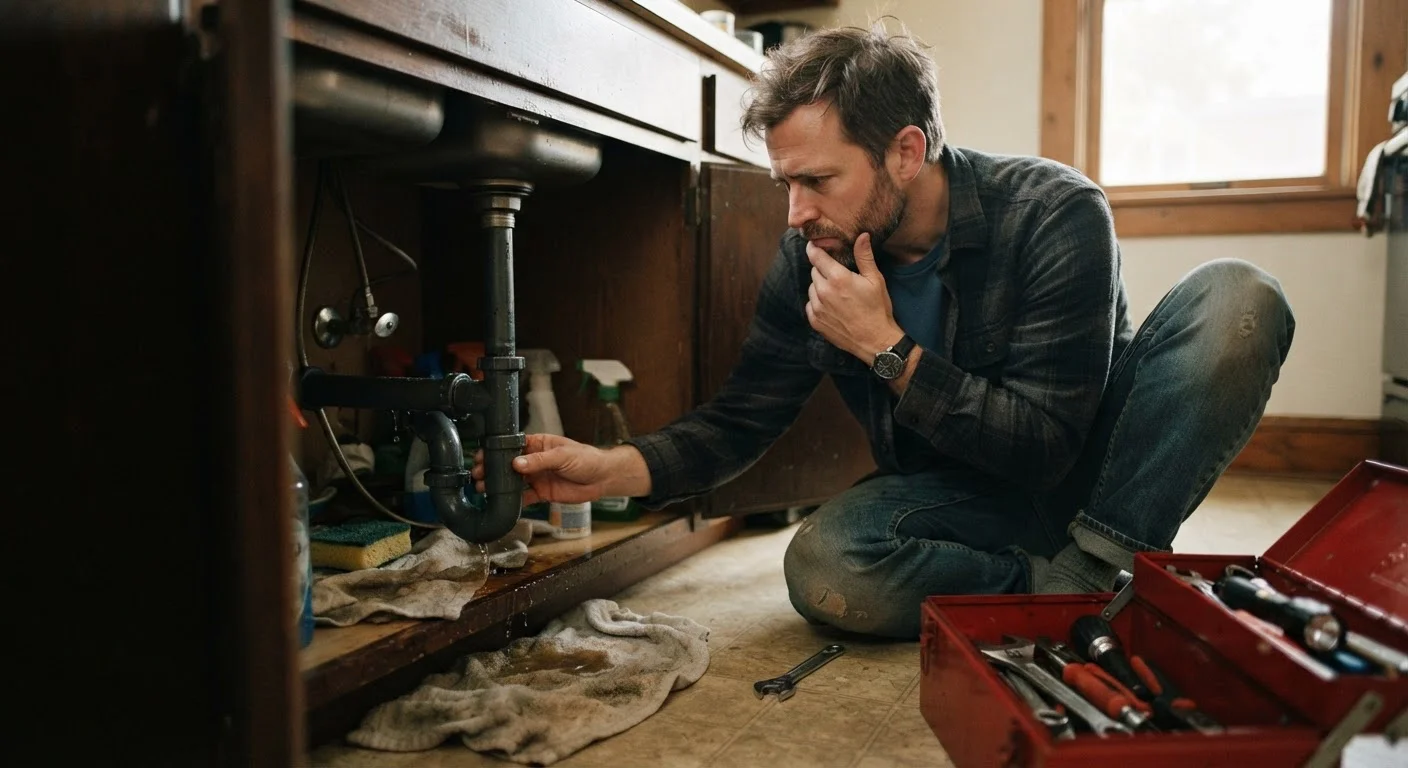
Key Takeaways
- Safety, permits, and code requirements are the clearest signals to hire a licensed professional.
- Skill level, available tools, and time investment all factor into a sound DIY decision.
- Botched DIY repairs on critical systems can cost more to fix than hiring a pro upfront.
- Many cosmetic and low-risk tasks - like patching drywall or caulking - are genuinely DIY-friendly.
- Permits and inspections protect resale value and homeowner insurance coverage.
Our Verdict
DIY and professional repair each have a clear lane. Low-stakes cosmetic work is well-suited to confident homeowners willing to learn. Anything touching electrical panels, gas lines, structural elements, or requiring a permit almost always belongs with a licensed professional - not because of skill alone, but because the consequences of error are serious and the legal requirements are real.
| Best for | Recommended |
|---|---|
| Homeowners comfortable with basic tools tackling cosmetic repairs | DIY |
| Projects involving electrical, gas, structural, or permitted work | Hire a Pro |
| First-time renovators uncertain about scope and sequencing | Hire a Pro |
| Simple maintenance tasks with low failure risk | DIY |
Start With the Right Question
Before reaching for a wrench or dialing a contractor, the most useful question isn't "Can I do this?" - it's "Should I do this?" Those are meaningfully different. A homeowner might be capable of attempting a repair but still be better served by bringing in a professional, depending on what's at stake.
A practical framework rests on four pillars: safety risk, permit and code requirements, skill and tool access, and cost of failure. Running any project through these four filters gives you a reliable signal - even before you've looked up a tutorial. See our deeper breakdown of what else drives this decision for more context on permits, liability, and resale value.
When DIY Makes Sense
DIY is a reasonable choice when the failure mode is low-stakes, the work is cosmetic or routine, and the job doesn't require a permit or licensed trade. Common examples include:
- Patching small holes in drywall (see our guide on drywall repair without calling a pro)
- Replacing faucet aerators or showerheads
- Caulking around tubs, sinks, and windows
- Painting interior walls and trim
- Replacing light switch covers or outlet plates (with power off at the breaker)
- Installing weatherstripping or door sweeps
These tasks share a few traits: they don't touch structural systems, they're reversible if something goes wrong, and clear instructions are widely available. If you make a mistake caulking a tub surround, the fix is more caulk - not a flooded subfloor or a failed inspection.
Build Skills Before Raising the Stakes
Start your DIY journey with genuinely low-risk tasks - caulking, painting, or replacing hardware - before moving on to anything more complex. Competence compounds: each completed project teaches you something real about your home's systems and your own abilities. Keep a record of what you've done so you can accurately assess your starting point for the next job.
Your honest skill assessment matters. Watching a tutorial is not the same as having done a task before. Start with genuinely simple jobs to build competence before tackling anything more involved.
When to Hire a Professional
Certain categories of work should reliably go to a licensed pro - not because homeowners are incapable, but because the risks are real and regulations exist for good reason.
Unpermitted Work Has Real Consequences
Skipping required permits isn't just a technicality - it can invalidate your homeowner's insurance claim if damage results from that work, and it can surface as a defect during a home sale inspection. Always verify local permit requirements with your municipality before starting any project that touches electrical, plumbing, gas, or structural systems. When in doubt, contact your local building department directly.
Electrical panel work, gas line repairs, load-bearing structural changes, and roofing over the primary structure all require permits in most U.S. jurisdictions. Unpermitted work can void homeowner's insurance coverage, complicate a home sale, and - more importantly - create genuine safety hazards.
- Electrical: Wiring beyond swapping a fixture (adding circuits, panel upgrades, subpanel installation) requires a licensed electrician and typically an inspection.
- Plumbing into mains: Connecting to main supply lines or sewer lines involves permits and licensed plumbers in most states.
- Gas appliances: Any work on gas lines, connectors, or appliances should be handled by a qualified technician - gas leaks are a life-safety issue.
- Structural and foundation work: Moving walls, reinforcing foundations, or altering load-bearing elements requires engineering oversight.
If you're heading into a larger renovation, our first-timer's renovation guide walks through budgeting, hiring decisions, and what surprises to anticipate.
Comparing the Two Paths
The table below offers a side-by-side look at how DIY and hiring a professional stack up across the most practical considerations.
| DIY | Hire a Pro | |
|---|---|---|
| Upfront cost | Lower (materials + tools only) | Higher (labor + materials) |
| Safety risk | Low for cosmetic tasks; high for systems | Managed by trained, licensed trades |
| Permit compliance | Homeowner's responsibility to verify | Pro typically handles or advises |
| Quality assurance | Depends on skill and experience | Professional accountability and warranty |
| Time investment | Often significant for first-timers | Faster completion in most cases |
| Cost of mistakes | Can exceed pro cost on critical systems | Covered by contractor liability/insurance |
| Best project fit | Cosmetic, low-risk, reversible tasks | Electrical, plumbing, structural, gas |
Keep in mind that cost comparisons are general and vary widely by region, project scope, and current labor markets. Getting multiple quotes from licensed contractors is always worthwhile before assuming the cost gap is insurmountable. For guidance on what to ask before hiring, we've put together a focused checklist.
The Cost-of-Failure Calculation
One underappreciated factor is what happens when things go wrong. A DIY paint job that comes out uneven costs you a weekend and some extra paint. A DIY electrical repair that trips the panel repeatedly - or worse - can cost thousands in damage or endanger your household.
When weighing DIY versus professional help, mentally complete this sentence: "If this goes wrong, the consequence is _____." If the blank holds something minor and correctable, DIY is likely fine. If it holds flooding, fire, structural failure, or a failed home inspection, the calculus shifts decisively toward a licensed professional.
Budget-conscious homeowners may want to explore simple budgeting strategies to plan for both routine maintenance costs and unexpected repair needs - having a home maintenance fund changes how much pressure you feel to cut corners.