

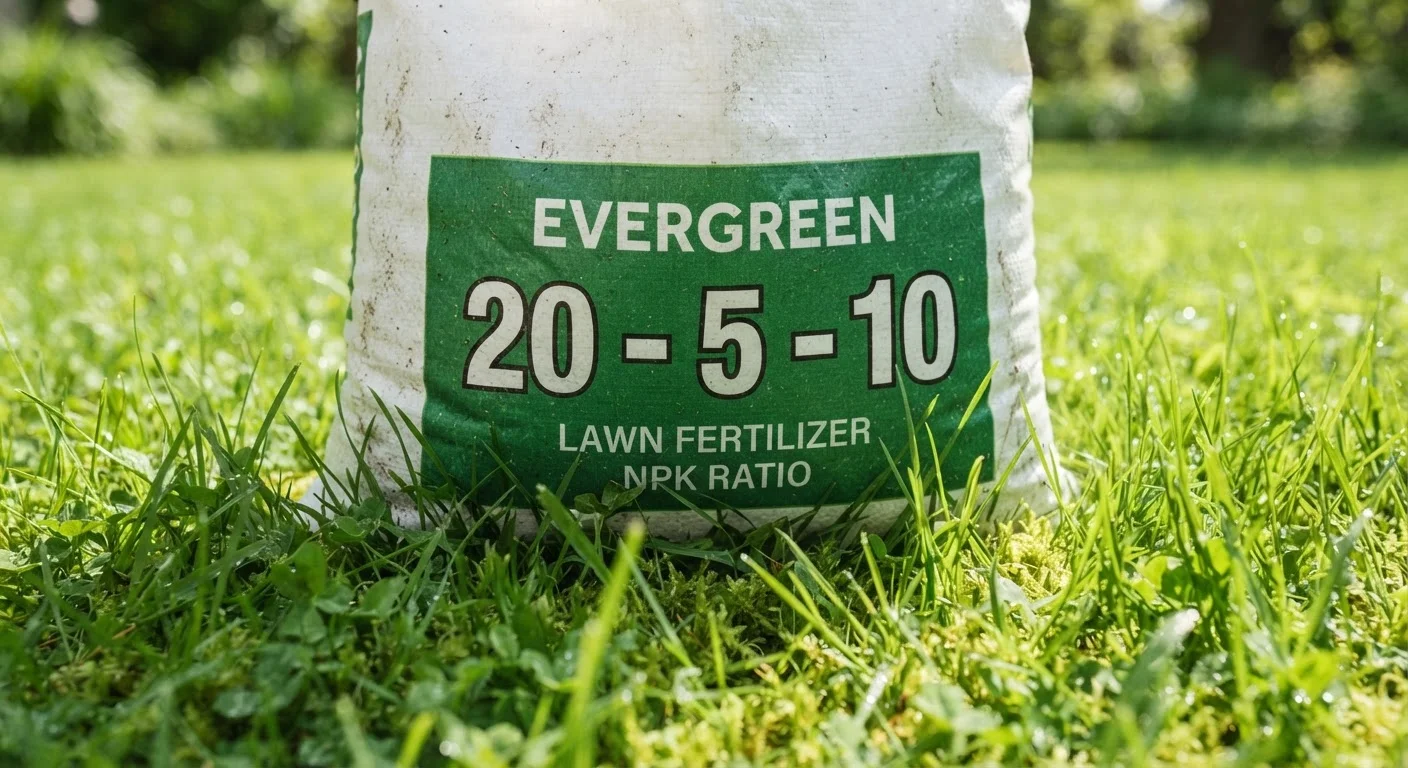
The Three Numbers at a Glance
Every bag of fertilizer carries a series of three numbers separated by hyphens - something like 10-10-10 or 29-0-4. This is called the N-P-K ratio, and it tells you the percentage of each primary nutrient the product contains by weight. The letters stand for the chemical symbols of each element: N for nitrogen, P for phosphorus, and K for potassium. These three nutrients are the building blocks most plants need in the largest quantities, which is why fertilizer labeling regulations require manufacturers to list them prominently.
Understanding what each number means puts you in control. Instead of guessing which bag to grab, you can match the nutrient profile to what your lawn or garden actually needs at any given time of year.
What Each Nutrient Does
N-P-K Ratio
The three-number code on every fertilizer label showing the percentage by weight of nitrogen, phosphorus, and potassium. It is regulated and must appear on all fertilizer products sold in the United States.
Macronutrient
A nutrient plants need in relatively large amounts to grow and function. Nitrogen, phosphorus, and potassium are the three primary macronutrients in plant nutrition.
Carrier (Filler)
Inert material mixed into fertilizer products to add bulk and help spread nutrients more evenly during application. It makes up the weight not accounted for by N, P, and K.
Soil Test
A laboratory analysis of your soil sample that measures nutrient levels, pH, and organic matter. Results guide fertilizer selection so you apply only what your soil actually lacks.
Complete Fertilizer
A fertilizer that contains all three primary nutrients - nitrogen, phosphorus, and potassium - in a single product, such as a 10-10-10 formulation.
The three nutrients play distinctly different roles in plant health, and knowing those roles helps you choose the right fertilizer for the right job.
Nitrogen (N) - The Growth Driver
Nitrogen is responsible for leafy, green growth. It fuels chlorophyll production, which gives plants their color and powers photosynthesis. A lawn that looks pale or grows slowly is often nitrogen-deficient. High-nitrogen fertilizers - where the first number is largest - are commonly used in spring when grass is coming out of dormancy and actively pushing new growth.
Phosphorus (P) - The Root Builder
Phosphorus supports root development, seed germination, and early plant establishment. It's especially valuable when seeding a new lawn or transplanting young plants. Many established lawns actually have adequate phosphorus already present in the soil, which is one reason some regional regulations restrict phosphorus in lawn fertilizers applied near waterways. Before adding phosphorus, a soil test is worth considering.
Potassium (K) - The Stress Shield
Potassium strengthens overall plant resilience - it helps grass tolerate drought, disease, temperature extremes, and foot traffic. It works behind the scenes on cellular functions and water regulation. The third number on the bag reflects its presence, and you'll often see it elevated in fertilizers marketed for fall lawn preparation. Pairing good fertilization with practices like lawn aeration can also help nutrients reach roots more effectively.
Reading the Ratio in Real Life
The numbers represent percentages by weight, not total volume. A 50-pound bag of 10-10-10 fertilizer contains 5 pounds of nitrogen, 5 pounds of phosphorus, and 5 pounds of potassium. The remaining weight is filler material - usually called carrier - that helps distribute the nutrients evenly.
A ratio like 32-0-10 signals a product heavy on nitrogen with no phosphorus - useful for feeding an established lawn that already has phosphorus in the soil. Meanwhile, a 5-10-5 mix prioritizes phosphorus, making it better suited for vegetable gardens or when starting new plantings.
There's no single "best" N-P-K ratio - the right choice depends on your soil's current nutrient levels, the plants you're growing, and the time of year. A soil test from your local cooperative extension office is the most reliable way to know what your yard is actually missing. Keep in mind that soil pH also affects how well your plants can absorb these nutrients, even when fertilizer is present.
Soil Testing Makes a Difference
Applying nutrients your soil doesn't need can waste money and, in some cases, harm the local environment through runoff. Many state cooperative extension offices offer affordable soil testing kits that return detailed recommendations. Testing every two to three years is a reasonable baseline for most home lawns and gardens.