
Key Takeaways
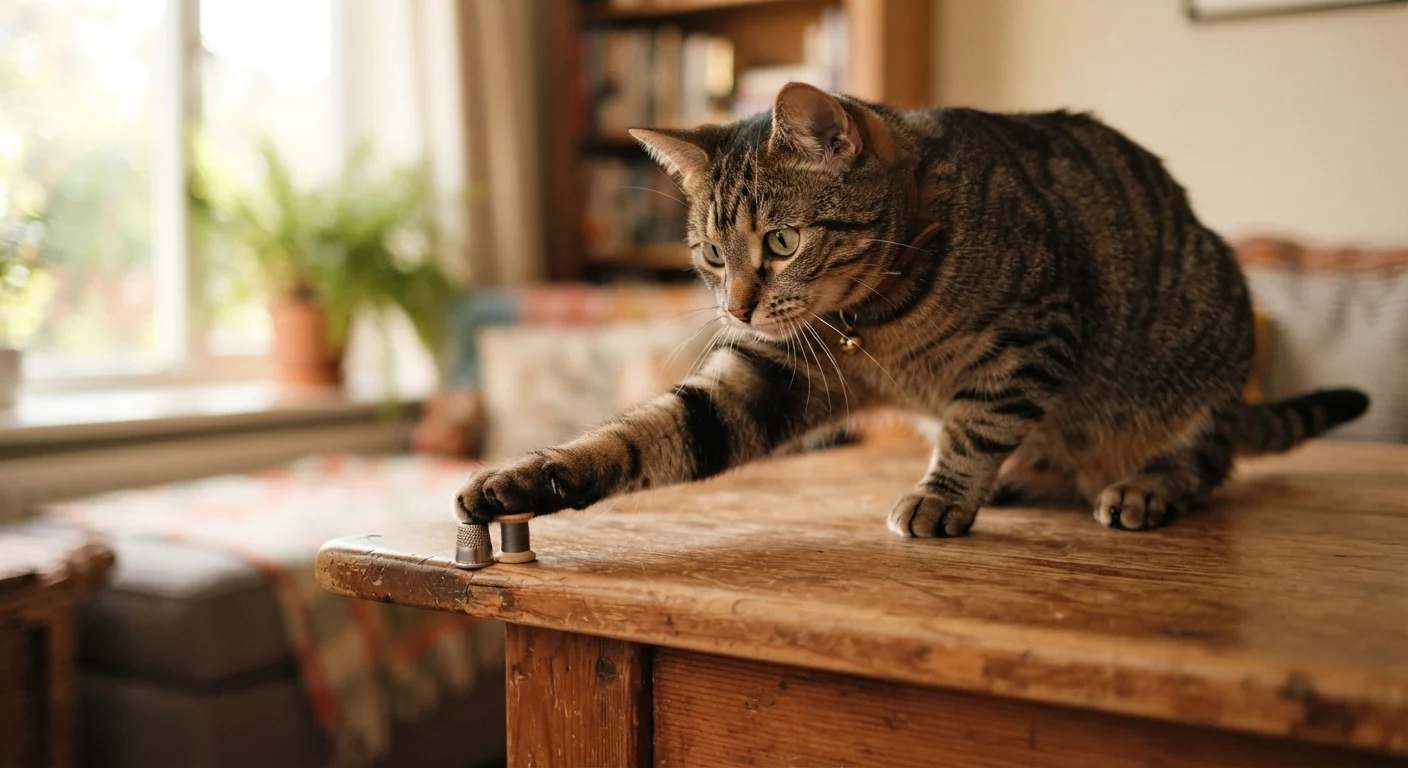
- Cats knock objects off tables primarily to test movement and satisfy hunting instincts, not to annoy their owners.
- Slow blinking is a recognized feline communication signal that often indicates trust and relaxation.
- Kneading - also called "making biscuits" - is a comfort behavior rooted in kittenhood.
- Sudden bursts of energy, sometimes called "zoomies," are a normal way cats release pent-up energy.
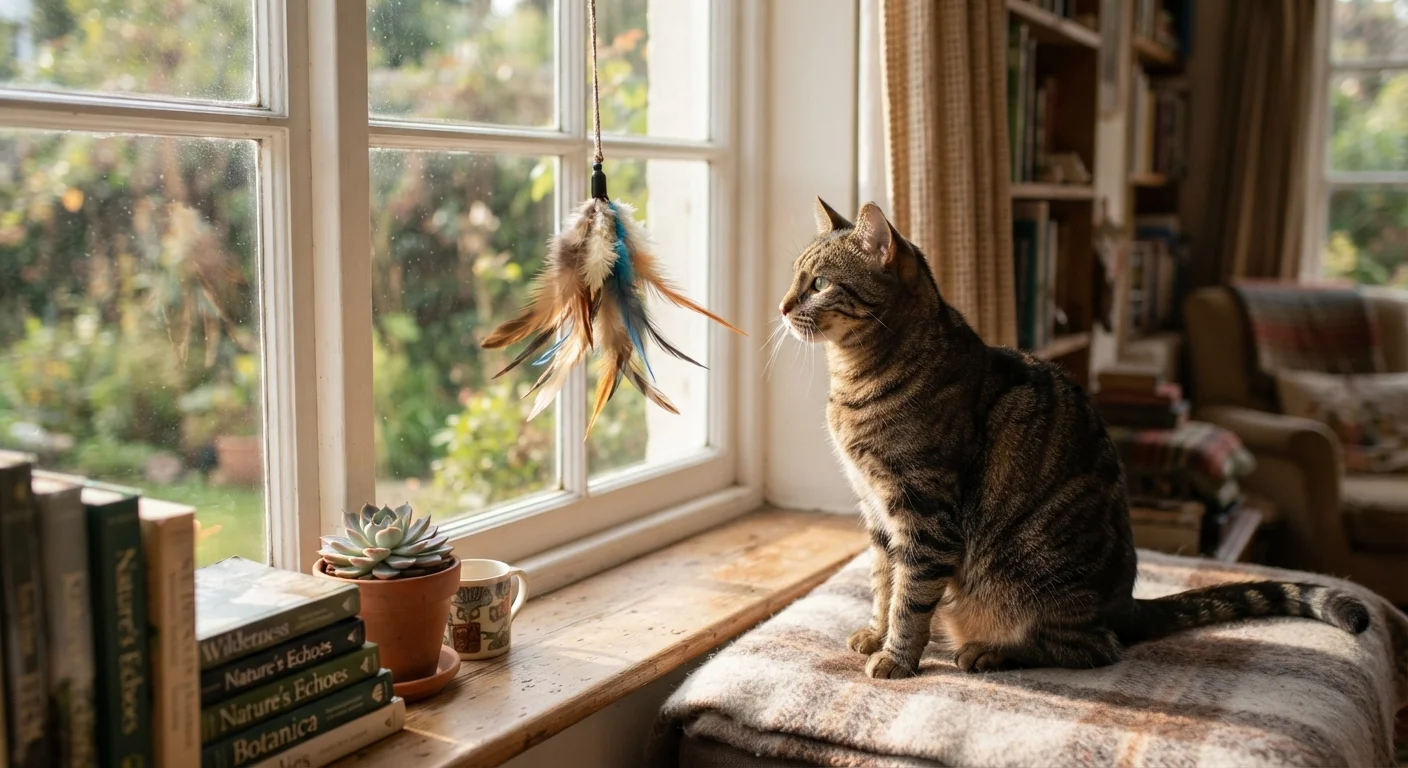
- Chattering at birds through a window is thought to reflect predatory excitement, possibly mimicking a killing bite.
- Unexplained behavior changes can sometimes signal a health issue and may warrant a veterinary visit.
Feline Quirky Behaviors
Cats display a range of behaviors - like knocking objects off surfaces, slow blinking, and kneading - that can seem random or puzzling to their owners. In reality, most of these actions are deeply rooted in instinct, communication, or sensory exploration. Understanding what drives these behaviors helps owners respond to their cats more effectively and build a stronger bond.
Many feline behaviors stem from evolutionary adaptations developed when cats were solitary hunters. Domestication has modified the expression of these instincts but rarely eliminated them entirely.
The Method Behind the Madness: Why Cats Knock Things Over
Few cat behaviors baffle owners quite like watching their cat make deliberate, unhurried eye contact before swiping a glass off the counter. It looks like pure mischief - but there's actually a practical explanation.
Cats are hardwired hunters. Their paws are extraordinarily sensitive sensory tools, packed with nerve endings that help them assess texture, temperature, and movement. When a cat taps or pushes an object, they're gathering information about it - essentially checking whether it might be prey. If the object moves unpredictably, that piques their interest even more, reinforcing the behavior.
There's also a learned social component. Once a cat discovers that knocking something over immediately summons their owner, they may repeat the behavior as a way to get attention or prompt interaction. This isn't manipulation in a malicious sense - it's simply cause and effect from the cat's perspective.
Redirect Table-Knocking With Interactive Play
Schedule two or three short play sessions daily using wand toys, laser pointers, or puzzle feeders. Cats who have regular outlets for predatory behavior are less likely to invent their own stimulation. Rotating toys every few days helps maintain novelty and interest.
To reduce tabletop archaeology, try scheduling two or three dedicated play sessions daily using wand toys or puzzle feeders. A mentally and physically engaged cat is less likely to invent their own entertainment at the expense of your belongings.
Slow Blinks, Head Bunts, and How Cats Say "I Trust You"
Cats have a nuanced communication toolkit that many owners miss simply because it looks so different from how dogs or humans express affection. Understanding these signals can genuinely deepen your relationship with your cat.
The slow blink is one of the most studied feline signals. A 2020 study published in Scientific Reports found that cats were more likely to approach a person who had slow-blinked at them compared to one who maintained a neutral expression. The slow blink appears to function as a relaxed, non-threatening gesture - in cat terms, closing your eyes briefly near another being signals that you're comfortable and not on guard.
Head bunting - when your cat presses their head against you or rubs their cheek on objects - is a scent-marking behavior. Cats have scent glands along their face, and bunting deposits their scent onto you, essentially marking you as part of their social group. It's a compliment.
For a deeper look at the full range of feline signals, see what your cat's body language is actually telling you.
Slow Blinking Works Both Ways
You can initiate a slow blink with your own cat to signal calm and trust. Try softening your gaze, slowly closing and opening your eyes while looking in your cat's general direction. Many cats will respond in kind, especially in a relaxed setting. Avoid staring directly and intensely - in cat communication, an unbroken stare can feel threatening rather than friendly.
Kneading, Chattering, and the "Zoomies" Decoded
Three behaviors that regularly generate owner questions are kneading, chattering, and sudden high-speed sprints - each one rooted in biology rather than eccentricity.
Kneading begins when kittens nurse; the rhythmic paw motion against the mother stimulates milk flow. Adult cats retain the behavior as a self-soothing mechanism and a signal of contentment. If your cat kneads you with claws extended, regular nail trimming can make the experience more comfortable for both of you.
Chattering - that rapid, teeth-chattering vocalization cats produce when watching birds or squirrels - is thought to be an instinctive predatory response. One hypothesis suggests it mimics the jaw motion cats use to deliver a precise killing bite to prey. Another suggests it's simply a byproduct of intense excitement. Either way, it's normal and not a sign of distress.
The zoomies (formally called FRAPs) are sudden bursts of running, leaping, and bouncing that can seem to come from nowhere. Cats are crepuscular - most active at dawn and dusk - and zoomies are often a way to discharge accumulated energy after long rest periods. A consistent play routine before your bedtime can help shift this energy expenditure to a more convenient hour.
2020
Year slow-blink study published in Scientific Reports
Research from the University of Sussex and Portsmouth found cats were more likely to approach humans who slow-blinked at them compared to those with neutral expressions.
~12-16 hrs
Average daily sleep for an adult cat
According to general veterinary guidance, this high resting rate contributes to the pent-up energy that fuels behaviors like the zoomies when cats are awake.
Crepuscular
Natural activity pattern of domestic cats
Domestic cats retain the dawn-and-dusk activity cycle of their wild ancestors, which explains why nighttime zoomies and early-morning vocalizations are common.
When Quirky Behavior Becomes a Warning Sign
Most of the behaviors described above are entirely normal expressions of feline instinct. However, a sudden, unexplained change in behavior - especially in a cat whose patterns have been consistent - is worth paying attention to.
Cats are notably good at masking discomfort, so behavioral shifts are sometimes the first visible clue that something is physically wrong. A cat who suddenly stops grooming, becomes unusually aggressive, starts avoiding the litter box, or withdraws from normal social interaction may be experiencing pain or illness rather than a mood change.
Changes in litter box behavior, in particular, are often misread as behavioral problems when there may be an underlying medical cause. Our article on litter box problems most cat owners misread covers the most common scenarios and when a vet visit is warranted.
If you notice a pattern of new or changed behaviors, consulting a veterinarian is a reasonable first step. For a fuller picture of what subtle physical and behavioral shifts may indicate, see signs your cat may be in pain and what to do next.
This article is for general informational purposes only and is not a substitute for professional veterinary advice. Always consult a qualified veterinarian for questions about your individual cat's health or behavior.