

Key Takeaways
- Small rodents need a settling-in period before any handling begins - typically five to seven days.
- Short, calm, consistent sessions are more effective than long or sporadic ones.
- Scent familiarization before physical contact significantly reduces stress responses.
- Never grab a rodent from above - this mimics a predator attack and triggers fear.
- Signs of stress include freezing, biting, teeth chattering, and repeated escape attempts.
- Socialization pace varies by species: gerbils tend to be bolder, hamsters more cautious.
What you will need
Why Small Rodents Respond Differently to Handling Than Cats or Dogs
Hamsters, gerbils, and mice are prey animals. Unlike dogs or cats, which have been domesticated for thousands of years to seek human proximity, small rodents retain strong instinctive wariness - a survival mechanism that served their wild ancestors well. This does not mean they cannot become comfortable with people; it means the process requires patience and a different framework than many owners expect.
If you are familiar with socializing a puppy, you will notice the approach with rodents looks quite different. Puppies have a defined developmental window during which exposure to novelty is intrinsically rewarding. Rodents do not share this window in the same way - trust-building is an ongoing process driven by consistent, low-pressure repetition at any age.
It is also worth understanding that common assumptions about small pets can get in the way. Many owners believe these animals are low-maintenance and do not require deliberate socialization. Small pet myths like these can actually harm your animal's wellbeing. Rodents that are never handled may become increasingly fearful over time, making routine care like health checks more stressful for both animal and owner.
Scent Is Your Best First Introduction
Place a small piece of cloth or tissue with your hand scent near your rodent's sleeping area a few days before you begin handling. This lets them associate your smell with safety rather than a sudden intrusion. Many owners find this step noticeably speeds up the trust-building process.
What You Will Need Before Starting
Before beginning any handling routine, make sure the basics are in place. A rodent that is still adjusting to a new environment, or one that is unwell, should not be handled - stress compounds quickly in small animals.
What you will need
Low, stable surface or lap
Provides a safe handling area close to the ground so the animal cannot be seriously injured if it slips.
Small treat (species-appropriate)
Used to create a positive association with your hand and presence during early sessions.
Cloth or tissue for scent transfer
Lets you introduce your scent to the enclosure before physical contact begins.
Soft towel or cupping hands
Provides a secure, enclosed feeling when lifting or holding small rodents.
If you are still in the planning stage, our first-week readiness checklist can help you confirm that your setup and supplies are ready before your new pet arrives.
Step-by-Step: Building Comfort with Human Contact
Follow these steps in order. Skipping ahead - particularly past scent introduction - is the most common reason new owners struggle to make progress. Each phase builds a foundation of predictability that allows your rodent to feel safe.
Never Force Handling on a Stressed Animal
Forcing a frightened rodent to be held can cause significant psychological stress and may lead to biting, injury, or a permanent setback in trust-building. If your animal is freezing, vocalizing, or struggling intensely, end the session immediately and give them space. Progress should always be led by the animal's comfort level, not a timeline you set.
Let the animal fully settle in first
Before you attempt any contact, give your new rodent at least five to seven days to acclimate to its enclosure, sounds, and smells. During this period, simply go about normal household activity nearby - let them hear your voice at a conversational volume without directing attention at them. Resist the urge to reach into the cage.
Introduce your scent without touching
Place your hand - or a cloth you have held for several minutes - near the enclosure entrance or inside it while remaining still. Allow your rodent to approach and sniff at its own pace. Do this for two to three minutes per session over several days before attempting to offer food from your hand.
Offer treats by hand inside the enclosure
Once your rodent approaches your stationary hand without retreating, begin offering a small species-appropriate treat - a sliver of plain vegetable or a seed - from an open palm placed flat inside the enclosure. Keep your hand completely still and let the animal come to you. Repeat this across multiple sessions until the animal takes the treat confidently without hesitation.
Progress to cupping and gentle scooping
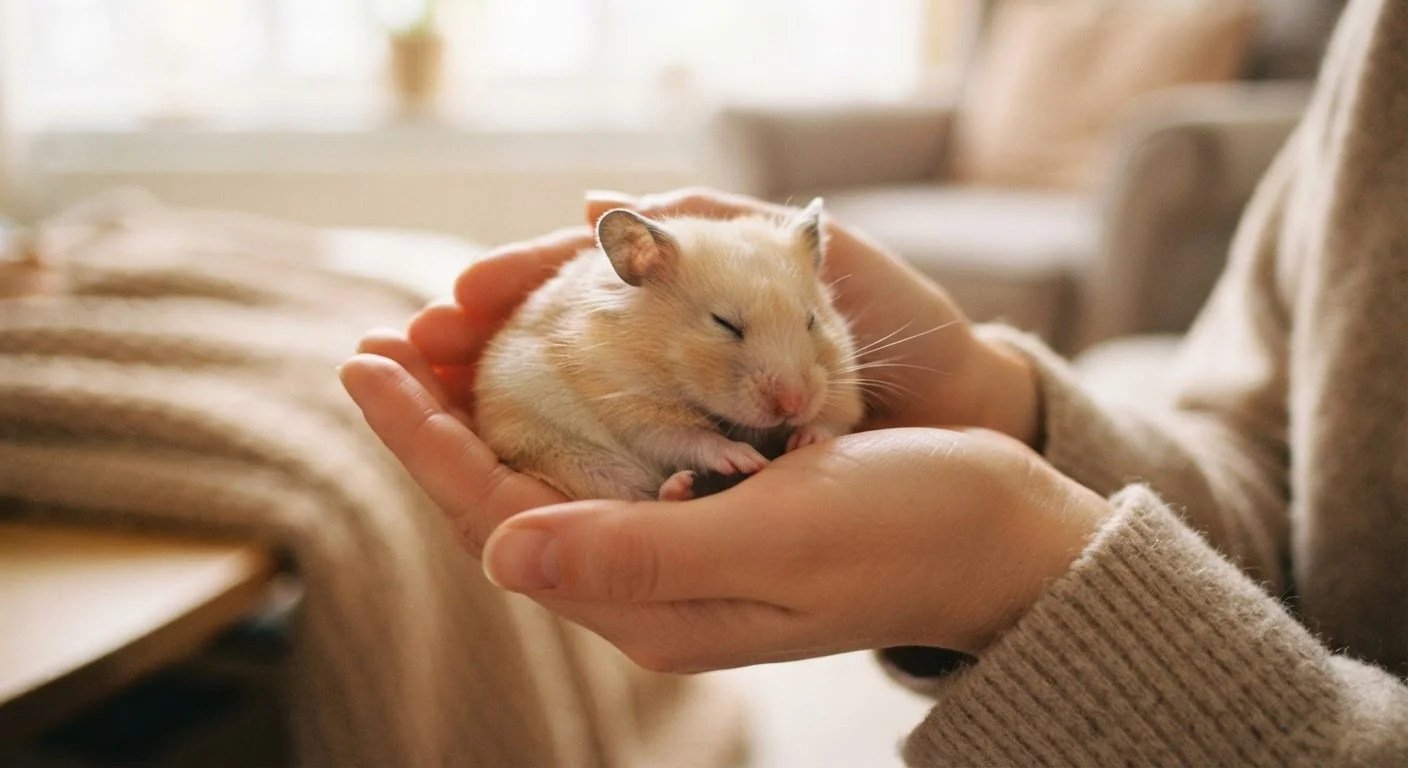
When your rodent readily climbs onto your flat hand for treats, begin gently cupping your other hand over or around them - not gripping - to create a secure enclosed space. Always scoop from beneath rather than grabbing from above. The downward approach mimics predator behavior and will undo weeks of progress. Lift only a few centimeters at first, keeping sessions to under two minutes.
Extend handling time gradually
Once your rodent is calm during short lifts - body relaxed, not freezing or struggling - slowly increase session length by one to two minutes every few days. Allow the animal to move between your hands freely rather than restraining them. A rodent that chooses to stay in your hands is far less stressed than one that is held still.
Maintain a consistent daily routine
Socialization is not a one-time milestone - it requires ongoing, regular interaction. Aim for at least one handling session per day timed around your animal's natural activity window. Gerbils and mice are often most receptive during morning or evening hours; many hamsters prefer late evening. Gaps of several days can cause previously confident animals to become cautious again, particularly with hamsters.
Reading Your Rodent: Progress and Setbacks
Knowing the difference between an animal that is curious and one that is stressed makes all the difference. Positive signs include: grooming themselves in your presence, approaching your hand voluntarily, relaxed posture with whiskers forward, and accepting food calmly. Stress signals include: freezing in place, teeth chattering, biting, excessive escape attempts, or a hunched defensive posture.
Setbacks are normal. A particularly loud day in the household, a change in routine, or a gap in handling sessions can temporarily reverse progress. When this happens, return to an earlier step rather than pushing forward. Species differences also matter: gerbils are typically more social and may progress faster; hamsters - especially dwarf varieties - can be more individually variable. Mice, when handled from a young age, often become confident fairly quickly with daily interaction.
If your animal consistently shows extreme fear responses despite weeks of patient, low-pressure sessions, consult a veterinarian who specializes in small animals or an experienced exotic pet behaviorist. Some animals may have had stressful early experiences that require more individualized guidance.
This article is for general informational and educational purposes only and does not constitute veterinary advice. Always consult a qualified veterinarian for concerns about your pet's health or behavior.