

Key Takeaways
- Most protective home maintenance tasks take five minutes or less to complete.
- Skipping small tasks like filter changes can lead to expensive HVAC repairs or fire hazards.
- Smoke and carbon monoxide detectors need both regular testing and timely battery replacement.
- A simple routine - monthly, quarterly, or annual - keeps these tasks from being forgotten.
- Catching minor issues early is consistently cheaper than addressing full-blown failures.
Small Tasks, Big Consequences
It's easy to focus home maintenance energy on big, visible projects - a fresh coat of paint, a new deck, updated appliances. But some of the most consequential upkeep tasks are the quiet, unglamorous ones that take five minutes and rarely get celebrated. Replacing a furnace filter. Pressing the test button on a smoke detector. Clearing a dryer vent. These jobs aren't exciting, but skipping them can lead to house fires, failed heating systems, poor air quality, and repair bills that dwarf the cost of a few minutes of prevention.
The good news is that once you know what to check and how often, this kind of maintenance becomes second nature. Think of it like the small habits that preserve any complex system - similar to how routine care extends a car's life, the same principle applies to your home. The tasks below are a strong starting point for any homeowner looking to build a dependable routine.
Common Myths Can Lead Homeowners Astray
Many homeowners underestimate how much harm skipping these small tasks can cause - partly because the damage isn't always immediate or visible. If you've ever heard that changing filters "isn't that important" or that smoke detector batteries last indefinitely, it's worth revisiting those assumptions. Our article on common home maintenance myths breaks down several pieces of well-meaning advice that can actually backfire.
Essential Small Tasks That Deserve Your Attention
Replace furnace filters on schedule
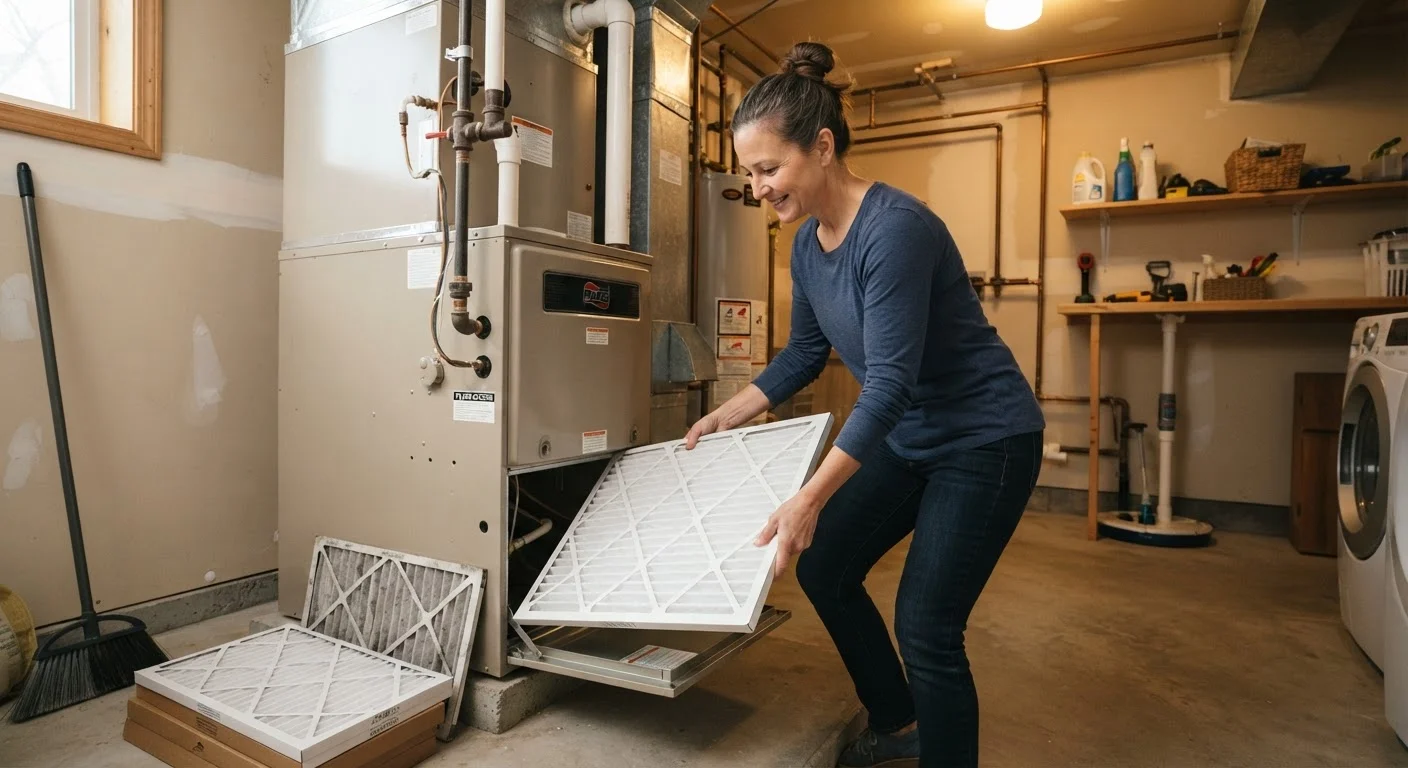
A clogged furnace filter forces your HVAC system to work harder, reducing efficiency, shortening the equipment's lifespan, and degrading indoor air quality. Most standard 1-inch filters should be replaced every one to three months, depending on factors like pets, allergies, and how much dust your home generates. Thicker media filters (4-5 inches) may last six months to a year - check the manufacturer's guidance for your specific unit.
Make it a habit to note the filter size on your phone or write it on the side of the unit so you always buy the right replacement. A dirty filter is one of the most common - and most avoidable - causes of HVAC service calls.
A clogged filter is one of the most avoidable causes of costly HVAC service calls.
Test smoke and carbon monoxide detectors monthly
Smoke detectors and carbon monoxide (CO) detectors are only useful if they work. Press the test button on each unit monthly to confirm the alarm sounds. Replace batteries at least once a year - or immediately when a low-battery chirp begins. Most detectors have a rated lifespan of 8-10 years; check the manufacture date printed inside each unit and replace any that are past their service life.
Install detectors on every level of your home, inside each sleeping area, and outside sleeping areas. CO detectors are especially important in homes with gas appliances, fireplaces, or attached garages. Never disable a chirping detector - replace the battery instead.
A detector that isn't tested regularly is no better than no detector at all.
Clear the dryer vent annually
Lint buildup in a dryer vent is a leading cause of residential fires. While you should clean the lint trap after every load, the vent duct that runs from the dryer to the exterior of your home needs a deeper cleaning at least once a year - more often if you do heavy laundry loads or notice clothes taking longer than usual to dry.
You can clean most dryer vents using a flexible brush kit designed for this purpose. Always disconnect the dryer from power before working on it, and verify the exterior vent flap opens and closes freely. If the vent run is long, complex, or difficult to access, consider having a professional service it.
Lint in a dryer vent is a leading fire hazard that a simple annual cleaning can prevent.
Inspect and test GFCI outlets
Ground fault circuit interrupter (GFCI) outlets - those receptacles with the small "Test" and "Reset" buttons - are required by modern building codes in kitchens, bathrooms, garages, and outdoor areas. They protect against electrical shock by cutting power when a ground fault is detected. Press the "Test" button monthly; the outlet should go dead. Press "Reset" to restore power.
If an outlet fails to trip or doesn't reset properly, it may be defective and should be evaluated by a licensed electrician. Don't assume a GFCI outlet that was working a year ago is still functioning correctly - they do wear out over time.
GFCI outlets can fail silently - monthly testing is the only way to confirm they still protect you.
Check water shut-off valves for stiffness
The main water shut-off valve - and the individual valves under sinks and behind toilets - should be turned on and off once or twice a year to keep them from seizing up. A valve that hasn't been operated in years can freeze in the open position, meaning it won't close when you need it most: during a burst pipe or plumbing emergency.
Slowly turn each valve off and back on again. If a valve is stiff, leaks around the stem, or won't fully close, have a licensed plumber inspect or replace it before you're dealing with a water emergency. Knowing where your main shut-off is located is one of the most basic - and most overlooked - pieces of homeowner knowledge.
A valve that has never been operated may fail to close exactly when you need it most.
Clean refrigerator coils once or twice a year
Refrigerator condenser coils - typically located at the back or beneath the unit - dissipate heat as part of the cooling cycle. When coils are coated in dust and pet hair, the refrigerator has to work harder to maintain temperature, consuming more energy and wearing out the compressor faster. Cleaning them once or twice a year can extend the appliance's life noticeably.
Unplug the refrigerator before cleaning. Use a coil brush or vacuum with a narrow attachment to remove debris. If the coils are underneath the unit, remove the front grille to access them. This task takes about ten minutes and requires no special skills.
Dusty coils force the compressor to overwork - a ten-minute cleaning can add years to the appliance.
Tie Tasks to an Existing Calendar Anchor
Maintenance tasks are easiest to remember when they're paired with something that already happens on a schedule - a utility bill due date, a seasonal change, or a recurring reminder on your phone. You don't need a complex system. A simple list posted inside a kitchen cabinet or saved as a note on your phone is enough to keep most of these tasks from slipping through the cracks. For a more structured approach, the month-by-month home maintenance schedule can help.
Building a Routine That Sticks
The simplest way to stay on top of these tasks is to attach them to existing habits or calendar anchors. Change furnace filters when you pay a quarterly utility bill. Test smoke detectors when you change the clocks for daylight saving time. Check the dryer vent during a seasonal walkthrough. Our quarterly home maintenance checklist offers a broader framework if you want to expand beyond these basics.
New to homeownership? These small tasks are among the first worth learning. The maintenance roadmap for new homeowners walks through everything you should get familiar with in year one. And if you'd like a full picture of how upkeep fits into each month of the year, the month-by-month home maintenance schedule lays it out clearly. A few minutes of attention, spread throughout the year, adds up to a home that's safer, more efficient, and far less likely to surprise you with a costly repair.