

Key Takeaways
- Checking your home every three months catches minor issues before they escalate into expensive repairs.
- A quarterly routine covers safety devices, HVAC, exterior, plumbing, and outdoor spaces.
- Most tasks require no special skills - a visual inspection and basic tools are enough.
- Logging completed tasks creates a valuable record for insurance, budgeting, and future sales.
- Some tasks - especially electrical and structural - should be referred to licensed professionals.
Summary
24 items · 1.5-3 hours per quarter
Why a Quarterly Inspection Makes Sense
Seasons change roughly every three months, and so do the stresses placed on your home. Winter ice gives way to spring thaw; summer heat strains cooling systems before autumn rains test your roof and gutters. A quarterly check-in aligns your inspections with those natural cycles, giving you a reliable rhythm that's easy to remember and act on.
Think of it less as a chore and more as a short wellness visit for your house. Catching a cracked caulk line in spring - before summer humidity gets in - can prevent mold months later. Spotting a sluggish furnace filter before winter hits keeps your heating efficient and your air cleaner. If you're newer to homeownership, the first-year maintenance roadmap is a useful companion to this checklist. For a finer month-by-month view of upkeep tasks, see what a home maintenance schedule actually looks like.
The checklist below is organized by area of the home. Work through all groups each quarter, adjusting specific tasks for your climate and local conditions as needed.
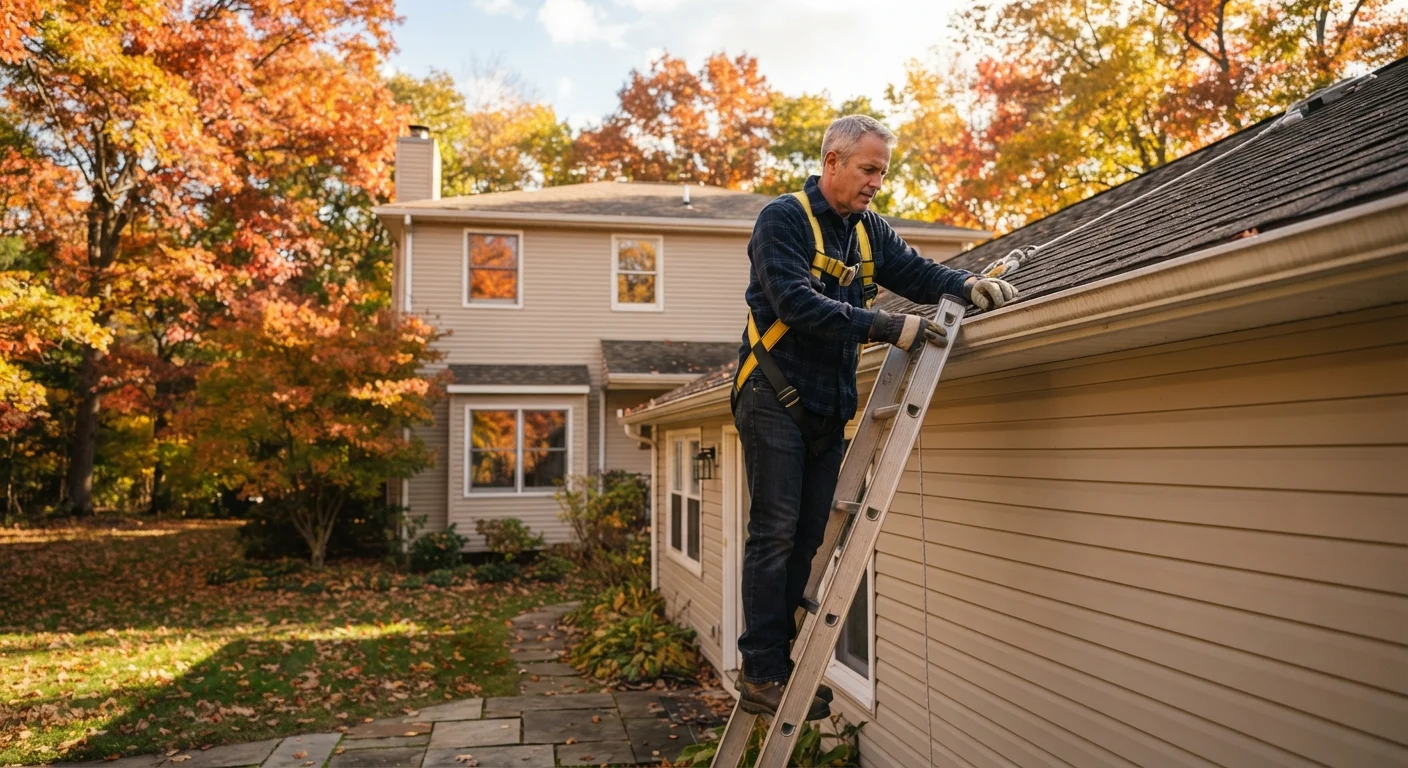
Step ladder
Allows safe access to gutters, high windows, smoke detectors, and exhaust vent grilles.
Flashlight or headlamp
Illuminates crawl spaces, attic corners, under sinks, and other poorly lit inspection areas.
Screwdriver set
Needed to remove and reinstall vent covers, outlet plates, and appliance panels during inspection.
Caulk gun and exterior-grade caulk
Used to reseal gaps around windows, doors, and exterior penetrations as they are found.
Replacement HVAC filters
Keep a supply on hand so you can swap filters immediately rather than postponing the task.
Replacement batteries (9V and AA)
Ensures you can replace smoke and CO detector batteries on the spot during your quarterly check.
Notepad or maintenance log app
Records what was inspected, what was found, and what still needs follow-up action.
Binoculars
Helps you get a closer view of the roof and upper exterior without climbing onto the roof yourself.
How to Use This Checklist
Set aside a weekend morning each quarter - ideally at the start of each season. Walk through the groups below in order, making notes as you go. Any task you can't safely complete yourself, or that reveals a potential hazard, should be handed off to a qualified contractor or licensed professional.
Keeping a written or digital record of what you inspected and when is more valuable than it might seem. A maintenance log helps you spot patterns (a recurring leak, a filter that clogs faster than expected), supports insurance claims, and can reassure a future buyer that the home has been cared for. The article on keeping a home maintenance log explains exactly how to set one up.
Safety Devices
HVAC and Ventilation
Exterior and Roof
Plumbing and Water
Interior and Structural
Outdoor and Landscaping
Leave Electrical and Structural Work to Licensed Pros
If your quarterly inspection turns up anything involving the electrical panel, structural cracks, gas connections, or roof damage beyond surface-level shingles, do not attempt the repair yourself. These areas carry serious safety and code compliance implications. Contact a licensed electrician, structural engineer, or roofing contractor as appropriate, and check with your local building department about whether permits are required before any work begins.
Outdoor and Seasonal Extras
Beyond the structural checklist, your outdoor spaces deserve quarterly attention too. Lawn care, garden beds, irrigation lines, and exterior drainage all change with the seasons. For guidance on what to plant and tend throughout the year, the Lawn & Garden hub is a helpful resource. If you grow vegetables, a year in the vegetable garden offers a practical seasonal planting breakdown.
Before each season's inspection, also factor in any renovation or improvement projects you're planning. Structural, electrical, or plumbing work should be assessed before you begin - see the room-by-room renovation readiness checklist for a thorough pre-project review. And if anything in your electrical panel looks unusual during your quarterly walk-through, consult the guide on what your home's electrical panel is telling you before taking action yourself.
Roof Inspections: Stay on the Ground
Walking a residential roof carries significant fall risk and can damage certain roofing materials. For your quarterly check, use binoculars from the ground or a safe elevated vantage point. If you suspect damage that requires a closer look, hire a qualified roofing professional to perform the inspection safely.