

Key Takeaways
- Water damage frequently hides inside walls, under flooring, and in attics before any visible sign appears.
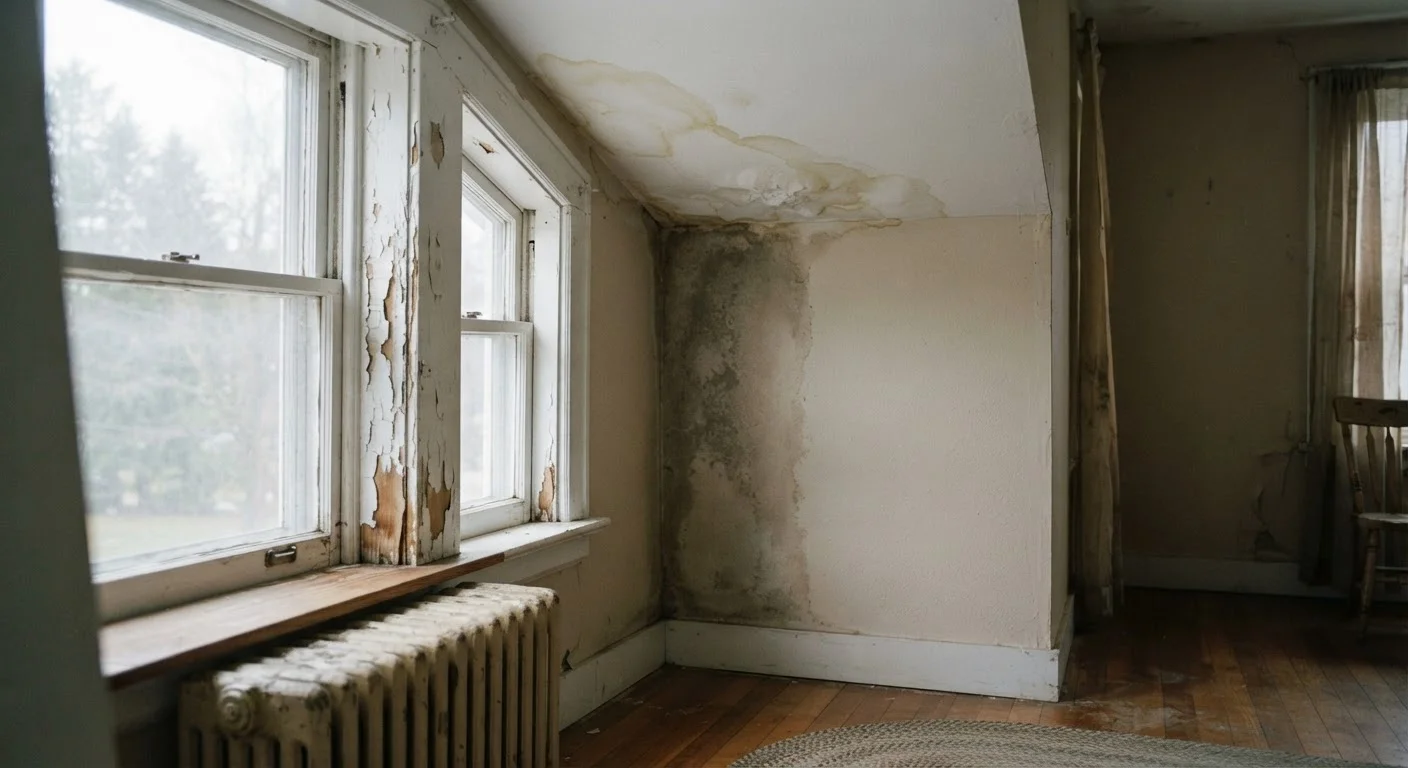
- Stains, warping, musty odors, and peeling paint are among the earliest detectable warning signs.
- The source of moisture may be far from where the damage shows up - tracing it matters.
- Acting quickly limits the spread of structural damage and reduces the risk of mold growth.
- Some water damage repairs require licensed professionals, especially those involving structural or electrical concerns.
Home Water Damage
Home water damage refers to the deterioration of building materials, finishes, and structural components caused by unwanted moisture - whether from a slow leak, plumbing failure, roof intrusion, or condensation. It can affect ceilings, walls, floors, insulation, and framing. Because moisture often travels far from its source, the visible sign and the actual origin may be in completely different locations.
Prolonged moisture exposure above roughly 70% relative humidity can encourage mold growth within 24 to 48 hours on organic materials such as drywall and wood framing, compounding the scope of repairs significantly.
Why Water Damage Is So Easy to Miss
Water is remarkably good at traveling. A small roof leak, a dripping supply line, or a failing seal around a window can redirect moisture through insulation, along joists, and into wall cavities - sometimes ending up several feet from where the intrusion actually started. By the time a stain appears on your ceiling or a floorboard begins to cup, the damage behind it may already be significant.
That's the central challenge: the most visible symptoms of water damage are often late-stage signals. Understanding what to look for - and where to look - puts you well ahead of problems that would otherwise escalate silently. Your home's plumbing, roof, and structural systems all play a role; for a broader look at how these systems interact, see our article on understanding your home's four critical systems.
Moisture Meters Are an Affordable Tool
Inexpensive pin-type moisture meters are available at most hardware stores and can confirm whether a suspicious area is actively holding water - useful before you open walls or call a professional. They won't replace a full inspection, but they can quickly clarify whether a stain is old and dry or still absorbing moisture.
The Most Reliable Early Warning Signs
Knowing which clues to watch for makes early detection much more likely. Here are the signs homeowners most commonly overlook:
- Ceiling stains and discoloration: Yellow or brownish rings on ceilings typically signal a leak from above - either plumbing or the roof. A stain that keeps reappearing after painting is almost always an active moisture problem.
- Bubbling, peeling, or blistering paint: Paint loses adhesion when the surface beneath it holds moisture. This is especially telling on exterior-facing walls or near windows and door frames.
- Warped or buckled flooring: Wood and laminate floors react to moisture by swelling or cupping. Soft spots underfoot - particularly near toilets, sinks, or dishwashers - suggest subfloor saturation.
- Persistent musty odor: Mold and mildew produce a distinctive, earthy smell. If a room smells musty even after cleaning, moisture is likely trapped somewhere out of sight.
- Efflorescence on masonry: White, chalky deposits on basement walls or brick indicate water is moving through the masonry and leaving mineral deposits behind.
- Rust stains near fixtures: Rust streaks around supply lines, shutoff valves, or appliance connections often point to slow, ongoing drips.
~14,000
US homes affected by water damage daily
According to the Insurance Information Institute, water damage and freezing account for a significant share of homeowner insurance claims each year.
24-48 hrs
Time for mold to begin growing on wet materials
The EPA notes that mold can begin to develop on wet building materials within one to two days under warm, humid conditions.
$11,000+
Average water damage insurance claim cost
Industry data from the Insurance Information Institute has placed average water damage claims among the costlier home insurance events, often exceeding $10,000 when structural repairs are involved.
Where to Look: High-Risk Zones in Every Home
Water damage doesn't spread randomly - it concentrates in predictable places. Make these areas part of a regular visual check:
- Bathrooms: Failed grout and caulk around tubs, showers, and tile walls allow water to penetrate surfaces and saturate framing behind them. Our guide on keeping your bathroom from falling apart covers what to watch for in detail.
- Under sinks and around appliances: Check the cabinet floor beneath kitchen and bathroom sinks regularly. Look behind the refrigerator and along the dishwasher door seal, too.
- Attic and roof line: After heavy rain, inspect your attic with a flashlight. Wet insulation, darkened wood sheathing, or daylight visible through the decking all demand prompt attention.
- Basement and crawl space: Standing water, damp insulation, or white mineral deposits on foundation walls are clear signals to investigate further.
- Around windows and exterior doors: Failed flashing or caulk allows rain to enter at these transition points, often causing hidden rot in the surrounding framing.
Winter conditions add extra risk. Improperly insulated pipes and ice dams can both drive moisture into your home's interior - see our coverage of winterizing mistakes that lead to frozen pipes for prevention strategies.
What to Do When You Find Something
When you spot a warning sign, the priority is to determine whether moisture is still active. Touch the area gently - soft, spongy drywall or a damp floor suggests an ongoing issue. Try to trace back toward a likely source: a plumbing fixture above, a roof penetration, or an exterior wall seam.
If the surface damage appears limited - a small stain on drywall, for example - you may be able to address it after confirming the source is resolved. Our article on patching drywall can help you judge when a DIY fix is appropriate and when it isn't.
For anything beyond minor cosmetic repair - visible mold, structural softness, damage near electrical components, or a source you can't clearly identify - contacting a licensed water damage remediation professional is the safer path. Before any contractor arrives, it helps to know the right questions to ask; our guide on what to ask before calling a contractor can prepare you for that conversation.
Build a Simple Monthly Inspection Habit
Set a monthly reminder to check under all sinks, inspect the ceiling in rooms below bathrooms, and take a quick look at your water heater and washing machine connections. Early detection doesn't require special tools - it mostly requires consistency. Catching a slow drip before it saturates a subfloor or wall cavity can make the difference between a minor repair and a major remediation project.
This article is for general informational purposes only. For damage involving structural components, electrical systems, or suspected mold, consult a licensed professional. Always verify local permit and code requirements before beginning any repair work.