

Key Takeaways
- Healthy soil and diverse plantings are your first line of defense against garden pests.
- Companion planting uses strategic plant pairings to deter pests without chemicals.
- Beneficial insects like ladybugs and parasitic wasps naturally reduce pest populations.
- Physical barriers such as row covers and copper tape offer reliable, chemical-free protection.
- Consistent monitoring allows you to catch infestations early before they become serious problems.
Why Natural Pest Control Makes Sense
Synthetic pesticides can be effective in the short term, but they often disrupt the beneficial insects and soil organisms that keep your garden healthy over time. A garden that relies heavily on chemical sprays may find pest problems return in force once the treatment wears off, because the natural predators that would normally keep pests in check have been eliminated alongside them.
Natural pest management takes a different approach - building conditions where pests struggle to gain a foothold rather than simply knocking them back once they arrive. This approach tends to produce more resilient gardens over time, and it's generally safer for pollinators, wildlife, pets, and people. It also pairs well with other sustainable practices like composting; see our guide to composting at home for ways to build the healthy soil that underpins a pest-resistant garden.
“The single greatest lesson the garden teaches is that our relationship with the natural world is not one of opposition but of partnership.”
— Michael Pollan, Author and journalist focusing on food, agriculture, and the natural environment
Core Best Practices for Natural Pest Management
The following evidence-backed practices work together as a system. Combining several of them is more effective than relying on any single method alone.
Use companion planting to confuse and repel common pests
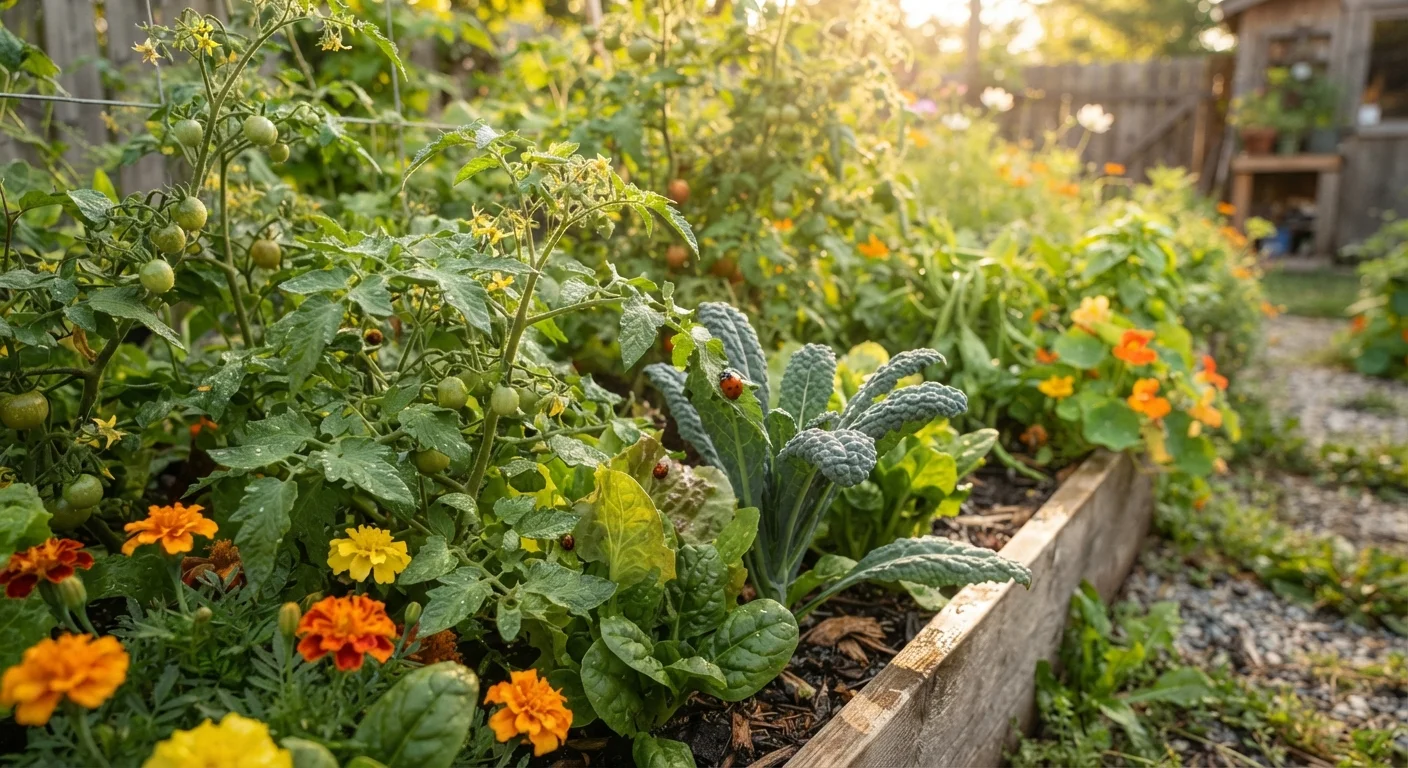
Many pests locate host plants by scent. Interplanting with aromatic herbs or flowers can mask those cues and disrupt pest navigation. Some companions also attract predatory insects that feed on garden pests.
Attract and protect beneficial insects in your garden
Predatory and parasitic insects - including ladybugs, lacewings, ground beetles, and parasitic wasps - naturally regulate pest populations. Removing pesticides and adding flowering plants that support these insects can meaningfully shift the pest-predator balance.
Use physical barriers to exclude pests before they arrive
Row covers, fine mesh netting, and copper tape prevent pest access rather than reacting after damage has occurred. Physical exclusion is particularly effective for flying insects and soft-bodied crawling pests.
Build and maintain healthy soil to strengthen plant immunity
Plants growing in biologically active, nutrient-balanced soil tend to be more vigorous and better able to tolerate or resist pest pressure. Stressed, nutrient-deficient plants are more attractive to many pest species.
Practice crop rotation to break pest life cycles
Many soil-dwelling pests and diseases are host-specific, meaning they thrive when the same plant family returns to the same spot year after year. Rotating plant families across beds disrupts this cycle.
Apply targeted, low-impact treatments when spot control is needed
When populations spike despite preventive measures, targeted options such as insecticidal soap, neem oil, or diatomaceous earth can address localized problems without broad ecosystem disruption. Always follow label instructions.
Quick Actions You Can Take This Week
You don't need to overhaul your entire garden to start seeing results. Even small, targeted steps make a measurable difference when implemented consistently.
If you're deciding how to lay out your garden beds, the structure itself can affect pest pressure. Raised beds vs. in-ground planting explores how each setup influences drainage, root health, and overall plant vigor - all factors that affect a plant's natural resistance to pest damage.
Monitoring, Mulching, and Staying Ahead of Problems
Even the best-designed garden needs regular observation. Walk your garden at least once a week and look under leaves, along stems, and at soil level near the base of plants - this is where most pest activity starts. Early detection allows you to remove pests by hand or apply targeted treatments before populations explode.
Mulching is another underrated tool. A consistent layer of organic mulch suppresses weeds that can harbor pests, moderates soil temperature, and retains moisture that keeps plants vigorous. Our mulch types comparison breaks down which options work best in different garden settings.
Keep a Simple Pest Journal
Note which pests appear on which plants and when - even a quick weekly photo on your phone counts. Over one or two seasons, patterns emerge that help you time preventive measures before infestations begin. Many experienced gardeners say this habit is the single most useful thing they do for long-term pest management.
Seasonal planning also plays a role - rotating crops from year to year prevents pest populations that overwinter in the soil from finding the same host plants come spring. Our seasonal vegetable garden guide can help you schedule plantings with rotation in mind.
This article is for general informational and educational purposes only. Always check with your local cooperative extension service for pest identification guidance specific to your region before applying any pest control method.