
Key Takeaways
- Cats are generally considered senior at age 10 and geriatric at age 15.
- Twice-yearly vet visits allow earlier detection of conditions like kidney disease and hyperthyroidism.
- Senior cats often need higher protein, more moisture, and smaller, more frequent meals.
- Simple home modifications - like lower litter boxes and ramps - can reduce daily discomfort.
- Mental enrichment remains important even as energy levels naturally decline with age.
When Is a Cat Considered Senior?
Most veterinary organizations classify cats as senior starting around age 10-11 and geriatric at age 15 and older. Because cats age faster than humans in their early years and then slow down, a 10-year-old cat is roughly equivalent to a person in their mid-to-late 50s.
This classification matters because aging is not a disease - it is a biological process that gradually changes how your cat's body functions. Organ efficiency decreases, the immune system becomes less robust, and the senses of smell, sight, and hearing may dull. Recognizing that your cat has entered this life stage is the first step toward adjusting their care in ways that genuinely support their well-being.
Start Tracking Changes Early
Keep a simple monthly log of your senior cat's weight, appetite, water intake, litter box habits, and activity level. Even informal notes make it much easier to spot gradual changes that might otherwise go unnoticed - and they give your vet useful context at each visit.
Nutritional Needs That Shift With Age
Diet is one of the most significant areas where senior cats diverge from their younger counterparts. Several changes are worth understanding:
- Protein requirements stay high - or increase. Contrary to outdated guidance, most healthy senior cats need adequate protein to maintain muscle mass. Muscle loss (sarcopenia) is a genuine concern in aging cats.
- Calories may need adjustment. Some senior cats lose weight as their metabolism and digestive efficiency decline; others gain weight if activity drops. Neither extreme is automatically normal - both warrant a conversation with your veterinarian.
- Moisture content becomes more important. Older cats are prone to kidney disease and chronic dehydration. Wet food can help maintain hydration, though the right balance depends on your individual cat. Our guide on dry food versus wet food explains the nutritional trade-offs in detail.
- Smaller, more frequent meals may ease digestion if your cat's appetite has become inconsistent.
Look for foods formulated for senior cats, but always verify the choice with your vet - especially if your cat has a concurrent condition like kidney disease or diabetes, which require specific dietary management. For portion guidance across life stages, see our article on feeding schedules and portions.
Ask your vet to measure your senior cat's muscle condition score at every visit, not just body weight. Weight can stay stable while muscle mass quietly declines - a distinction that changes dietary recommendations.
Sarcopenia (muscle loss) in senior cats is common and underrecognized. Body weight alone doesn't distinguish between fat gain and muscle loss, making muscle scoring a more clinically useful metric.
Place a water fountain near your senior cat's primary resting area rather than only near the food bowl. Many older cats drink more when water is moving and conveniently located.
Adequate hydration is critical for senior cats prone to kidney disease. Cats are instinctively attracted to moving water, and reducing the distance they must travel to drink can meaningfully increase daily intake.
Veterinary Care: Why Twice-Yearly Visits Matter
Annual checkups are a reasonable baseline for younger cats, but veterinary professionals broadly recommend twice-yearly exams for cats over age 10. The reason is straightforward: many conditions common in senior cats - kidney disease, hyperthyroidism, dental disease, hypertension - progress silently. A cat that appears comfortable and active may still have a condition that bloodwork or urinalysis would reveal early.
Key components of a senior wellness exam typically include:
- Complete blood count and biochemistry panel
- Urinalysis to assess kidney function
- Thyroid hormone screening
- Blood pressure measurement
- Dental assessment
- Weight and body condition scoring
Staying current on vaccinations also remains important in senior cats, though your vet may adjust the schedule based on your cat's lifestyle and immune status.
Common Health Conditions in Older Cats
Awareness of common senior cat conditions helps owners catch early warning signs. None of the following are inevitable, but all are significantly more prevalent in cats over 10:
~30-40%
Senior cats affected by chronic kidney disease
Veterinary estimates suggest chronic kidney disease affects a significant proportion of cats over age 10, making it one of the most prevalent conditions in this age group.
10%+
Cats over 10 diagnosed with hyperthyroidism
Hyperthyroidism is considered one of the most common endocrine disorders in cats, with prevalence rising sharply after age 10 according to veterinary clinical literature.
- Chronic Kidney Disease (CKD)
- One of the most common diagnoses in older cats. Signs can include increased thirst, more frequent urination, weight loss, and reduced appetite. Early detection through regular bloodwork allows for dietary and medical management.
- Hyperthyroidism
- An overactive thyroid is extremely common in cats over 10. It can cause weight loss despite a good appetite, hyperactivity, vomiting, and a poor coat. It is highly manageable when caught.
- Arthritis
- Often underdiagnosed because cats hide pain well. Cats with arthritis may stop jumping to their usual spots, hesitate at the litter box, or groom less. Our article on signs your cat may be in pain covers subtle indicators to watch for.
- Dental Disease
- Periodontal disease affects the majority of cats by middle age and worsens over time. It can cause pain, difficulty eating, and systemic inflammation.
- Hypertension
- High blood pressure often occurs alongside kidney disease or hyperthyroidism. It can cause sudden blindness if not caught and managed.
Cats Are Skilled at Hiding Pain
Cats are instinctively inclined to mask signs of illness or discomfort - a survival behavior that can delay diagnosis. Do not assume that a cat who is eating and moving around is pain-free. Regular veterinary exams that include physical palpation, blood panels, and blood pressure checks are the most reliable way to detect problems that behavioral observation alone can miss.
Environmental and Comfort Adjustments
A home that worked perfectly for a 3-year-old cat may present real challenges for a 12-year-old with stiff joints or reduced vision. Small adjustments can meaningfully improve daily comfort:
- Litter box accessibility: Switch to a box with lower entry sides so your cat doesn't have to step over a high edge. Place boxes on every floor of your home.
- Ramps and steps: If your cat still wants to reach a favorite chair or windowsill, gentle ramps reduce joint strain.
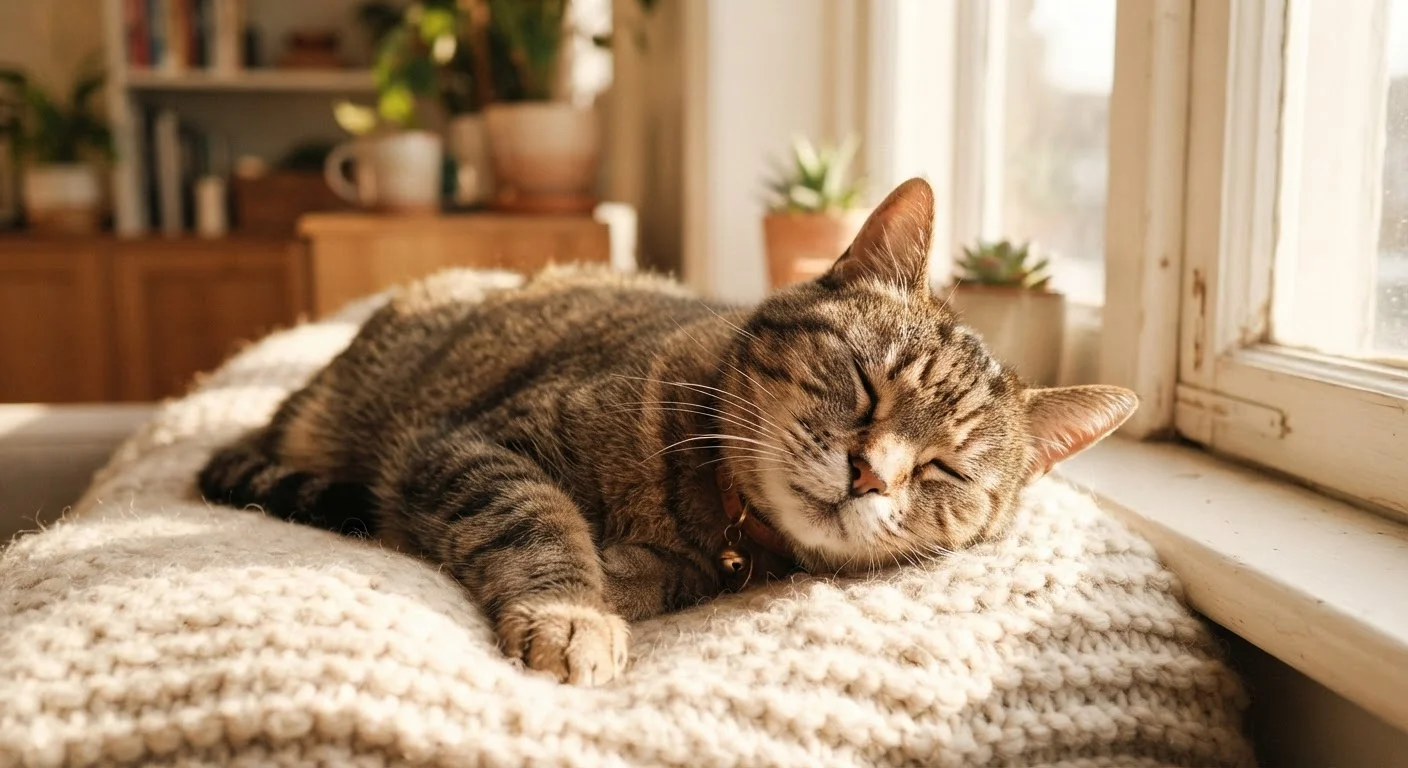
- Warm, padded resting spots: Older cats regulate body temperature less efficiently. Orthopedic or self-warming beds provide meaningful relief.
- Food and water bowl placement: Raised bowls can ease neck strain; placing water sources in multiple locations encourages hydration.
- Consistent layout: If vision is declining, avoid rearranging furniture. Predictability reduces anxiety and the risk of disorientation.
Learning to read your cat's body language is especially valuable as they age - older cats often communicate discomfort through subtle postural and behavioral shifts rather than obvious signs.
Mental Stimulation and Quality of Life
Cognitive decline - sometimes called feline cognitive dysfunction - is a recognized condition in older cats that can produce disorientation, altered sleep patterns, increased vocalization, and changes in social behavior. Keeping an aging cat mentally engaged supports brain health and overall well-being.
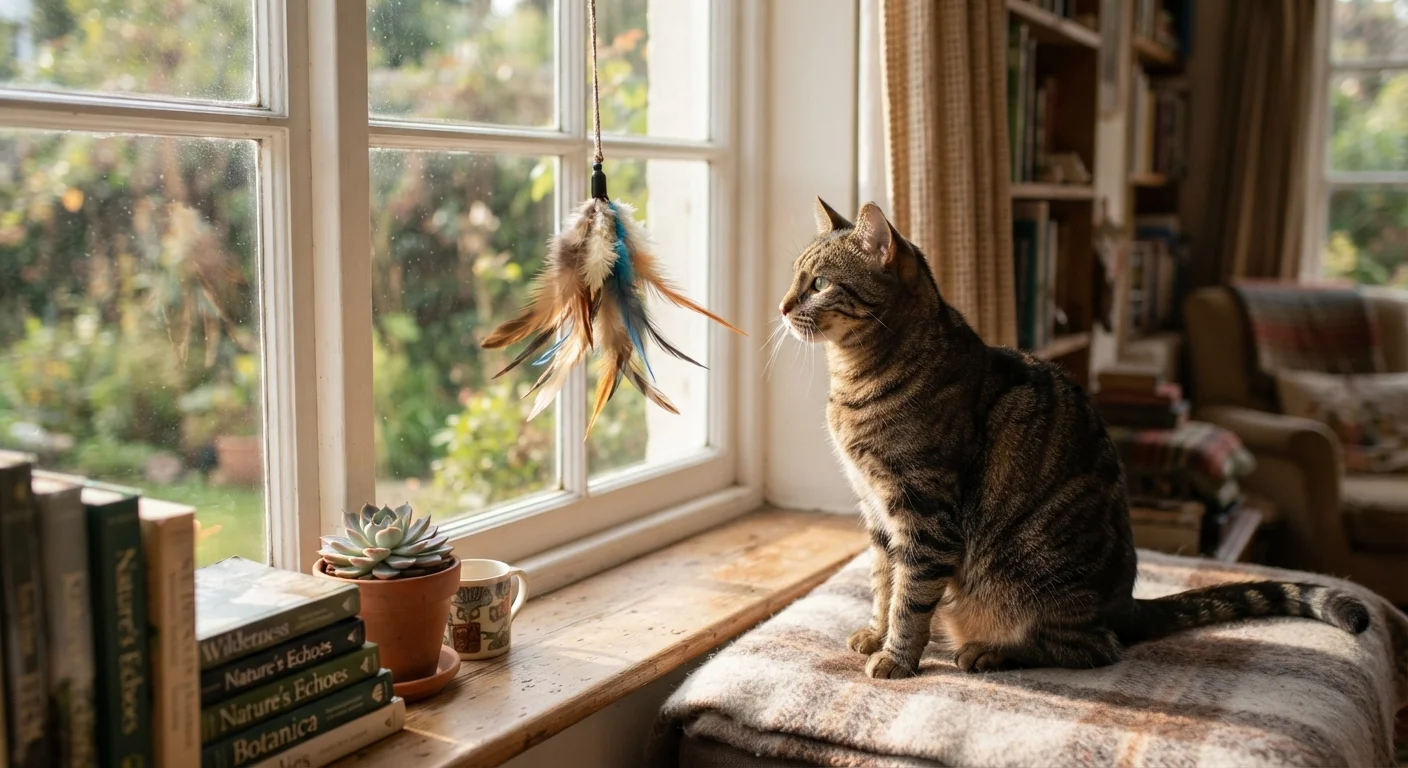
Enrichment doesn't need to be strenuous. Gentle puzzle feeders, window perches with bird feeders outside, and short, calm interactive play sessions all provide meaningful stimulation without overexerting an older cat. Our guide on keeping a cat mentally stimulated offers practical ideas adaptable to lower energy levels.
Quality time and routine also matter. Older cats often become more attached to their owners and may experience stress from changes in schedule or household composition. Consistency in feeding times, sleeping spots, and social interaction contributes directly to their sense of security.
This article is for general informational and educational purposes only and is not a substitute for professional veterinary advice. Always consult a licensed veterinarian for guidance specific to your cat's health, diet, or medical needs.