

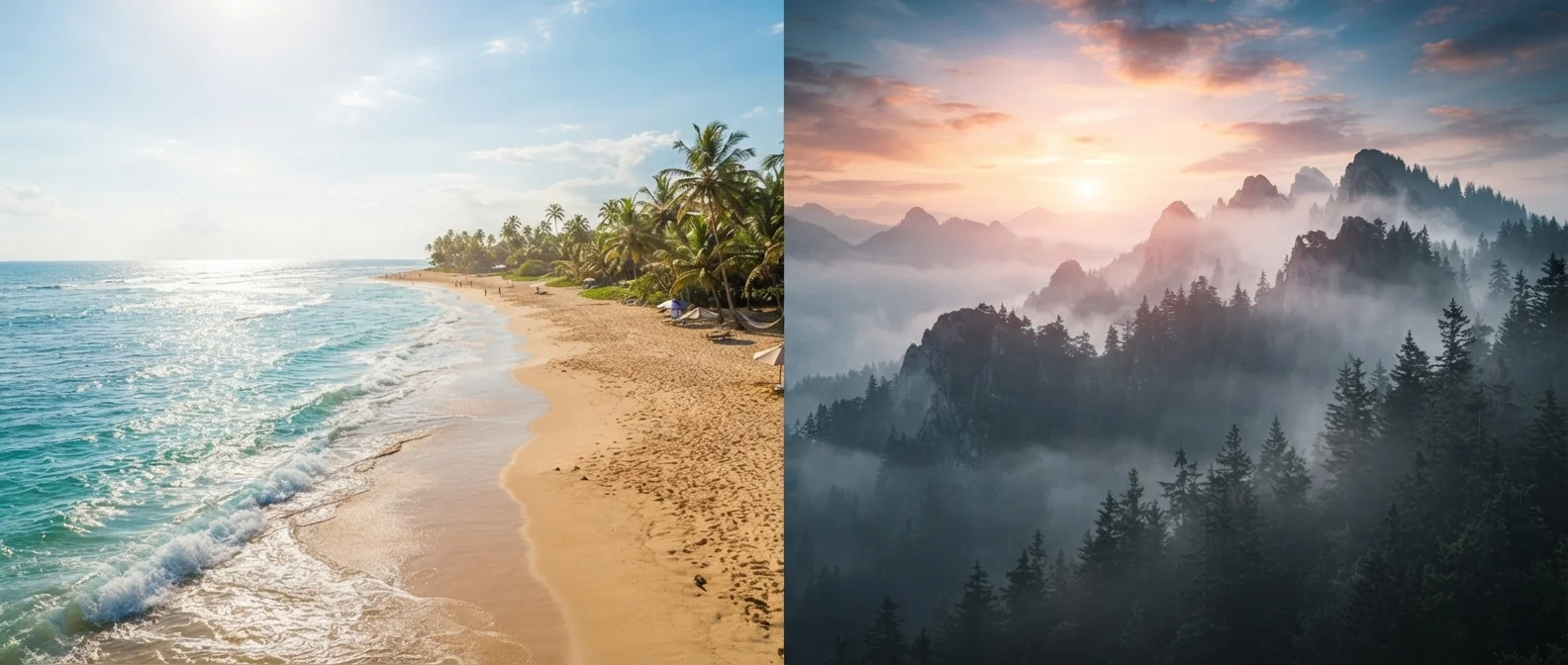
Key Takeaways
- Beach and mountain destinations each suit different activity preferences, fitness levels, and relaxation styles.
- Seasonality and weather unpredictability vary significantly between coastal and highland environments.
- Accessibility, budget, and accommodation options can differ widely depending on the destination type.
- Your travel group's needs - children, mobility considerations, activity goals - should guide the decision.
- Neither option is universally better; the right choice depends on what you personally want from a trip.
Easy, low-effort relaxation for most travelers
Swimming, sunbathing, and beach walks require no special training or equipment, making coastal destinations accessible to a wide range of travelers and group types.
Wide variety of activities in one place
Beyond the water itself, beach destinations often offer snorkeling, kayaking, seafood dining, and local cultural experiences within a compact, walkable area.
Social and family-friendly atmosphere
Beaches tend to be naturally convivial environments that work well for groups with varied interests, including young children who often thrive in sand-and-water settings.
Broad accommodation range at multiple price points
Coastal areas generally offer more lodging variety - from large resorts to budget motels - giving travelers flexibility based on their budget and preferences.
Altitude can cause physical discomfort
Travelers arriving at high elevations may experience altitude sickness - symptoms include headaches, fatigue, and nausea - and typically need a day or two to acclimatize before strenuous activity.
More planning required for activities and access
Hiking, wildlife spotting, and backcountry exploration often require advance permits, appropriate gear, and some level of physical preparation that casual travelers may not anticipate.
Weather can change rapidly and severely
Mountain weather is notoriously unpredictable; afternoon thunderstorms are common in many highland regions, and temperatures can drop sharply even in summer months.
Less suitable for fully passive relaxation
If your goal is to do very little, mountain destinations may feel underwhelming - the environment rewards engagement, and travelers who prefer pure downtime sometimes find them restless.
Our Verdict
Beach and mountain destinations offer genuinely different experiences, and neither is the obvious winner for every traveler. The best choice comes down to what you want to feel and do - not just where a photo looks appealing. Thinking through the practical factors alongside your personal preferences gives you a much clearer answer.
Travelers who take time to match a destination's conditions to their actual habits, activity preferences, and group needs - rather than booking on impulse - will get the most out of either type of trip.
Why This Decision Is Worth Thinking Through
Choosing between a beach vacation and a mountain retreat sounds like a fun problem to have - and it is. But the choice shapes nearly everything: the activities available, the physical demands on your body, how much planning is involved, and how rested or energized you'll feel when you return home.
Too often, people pick a destination based on a photo or a friend's recommendation without considering whether that environment actually fits their travel style. Matching your travel style to a destination type is one of the most useful steps you can take before booking. This article breaks down the key trade-offs so you can approach that decision with clearer eyes.
The Case for a Beach Destination
Coastal travel has broad appeal for good reason. Beaches tend to offer a relatively low barrier to enjoyment - you don't need special gear, specific fitness levels, or technical knowledge to sit in the sun and swim in the ocean.
Easy, low-effort relaxation for most travelers
Swimming, sunbathing, and beach walks require no special training or equipment, making coastal destinations accessible to a wide range of travelers and group types.
Wide variety of activities in one place
Beyond the water itself, beach destinations often offer snorkeling, kayaking, seafood dining, and local cultural experiences within a compact, walkable area.
Social and family-friendly atmosphere
Beaches tend to be naturally convivial environments that work well for groups with varied interests, including young children who often thrive in sand-and-water settings.
Broad accommodation range at multiple price points
Coastal areas generally offer more lodging variety - from large resorts to budget motels - giving travelers flexibility based on their budget and preferences.
That said, beach destinations come with real drawbacks. Crowds at popular shorelines can undermine the relaxation you came for. High humidity and intense sun require consistent preparation - sunscreen, hydration, shade-seeking - that some travelers underestimate. Coastal accommodations in prime locations often carry premium prices, particularly during peak summer months. And weather along the coast can shift quickly; tropical storms and humidity make some beach destinations genuinely uncomfortable outside narrow seasonal windows.
The Case for a Mountain Retreat
Mountain and highland destinations attract a different kind of traveler - often one seeking cooler air, dramatic scenery, and physical engagement with the landscape. Hiking, wildlife observation, and the quiet of elevation are genuinely hard to replicate elsewhere.
Altitude can cause physical discomfort
Travelers arriving at high elevations may experience altitude sickness - symptoms include headaches, fatigue, and nausea - and typically need a day or two to acclimatize before strenuous activity.
More planning required for activities and access
Hiking, wildlife spotting, and backcountry exploration often require advance permits, appropriate gear, and some level of physical preparation that casual travelers may not anticipate.
Weather can change rapidly and severely
Mountain weather is notoriously unpredictable; afternoon thunderstorms are common in many highland regions, and temperatures can drop sharply even in summer months.
Less suitable for fully passive relaxation
If your goal is to do very little, mountain destinations may feel underwhelming - the environment rewards engagement, and travelers who prefer pure downtime sometimes find them restless.
The trade-offs are equally real, however. Altitude can cause physical symptoms - headaches, fatigue, and shortness of breath - especially for travelers arriving from sea level. Mountain roads and trailheads may require more effort to reach. And if your group includes young children, older adults, or anyone with cardiovascular or respiratory concerns, the demands of highland travel deserve careful consideration before you commit.
Altitude and Health: A Note Worth Reading
If anyone in your travel group has a heart condition, respiratory issue, or is pregnant, consult a healthcare professional before planning a trip to high-elevation destinations. Altitude affects individuals differently, and what is manageable for one person may be problematic for another. This is general travel information - not medical advice - and a qualified provider is the right source for personal guidance.
Practical Factors That Often Get Overlooked
Beyond the scenery and activities, several logistical factors often tip the decision in unexpected directions.
Seasonality matters more than most people plan for. Mountain destinations can be inaccessible or dangerous in winter without appropriate gear and experience. Beach destinations in tropical regions often face rainy seasons that can last months. Checking seasonal patterns - not just average temperatures - is worth the effort. Looking past tourism branding to find accurate destination information can help you find more realistic pictures of what a place is actually like during your travel window.
Getting there and getting around can differ significantly. Mountain destinations may require a rental car or guided transport; some beach destinations are served by direct flights with straightforward airport transfers. Consider how transportation complexity fits your group's patience and budget. Our guide to road trips versus flying walks through how the journey itself shapes the overall trip experience.
Accommodation type shifts noticeably between the two environments. Beach destinations typically offer a wider range of resort-style lodging, while mountain areas often lean toward cabins, lodges, and vacation rentals. How accommodation type shapes the whole trip is worth reading if you haven't yet committed to a lodging style. See also matching accommodation options to your trip style for a closer look at the trade-offs.
40%+
U.S. travelers who prioritize outdoor activities
According to U.S. Travel Association research, a large share of American leisure travelers cite outdoor recreation as a primary trip motivator, underlining the appeal of both beach and mountain settings.
~8,000 ft
Elevation threshold where altitude effects commonly begin
Medical guidance generally notes that mild altitude-related symptoms can begin around 8,000 feet above sea level, relevant for popular U.S. mountain destinations like parts of Colorado and Utah.
Questions to Ask Before You Decide
Rather than defaulting to whichever option sounds appealing in the moment, work through a short set of questions that bring your actual preferences into focus:
- What do you want to do most days? Swim and sunbathe, or hike and explore? Neither is wrong, but one environment clearly supports each better.
- Who is traveling with you? A group with young children or members with mobility limitations has different needs than a solo traveler or active couple.
- What is your physical comfort zone? If you're not accustomed to altitude or strenuous trails, a mountain trip requires more preparation than a beach vacation typically does.
- When are you going? Shoulder-season travel often offers the best combination of manageable weather and smaller crowds at both types of destination.
- What kind of rest are you looking for? Passive rest - reading, floating, napping - suits beaches well. Active rest - walking, breathing clean air, physical challenge - tends to suit mountains.
For a broader framework on how destination type aligns with personal travel habits, the trip planning hub offers a useful starting point for organizing the full decision.