

Key Takeaways
- Mismatched expectations are the leading reason travelers leave cities feeling underwhelmed.
- Staying in the wrong neighborhood can disconnect you from the city's actual character.
- Over-scheduling iconic landmarks often crowds out the experiences that make a city memorable.
- Understanding a city's rhythms and layout in advance dramatically improves the trip.
- Budget surprises tied to urban travel are often avoidable with basic upfront research.
The Gap Between Expectation and Reality
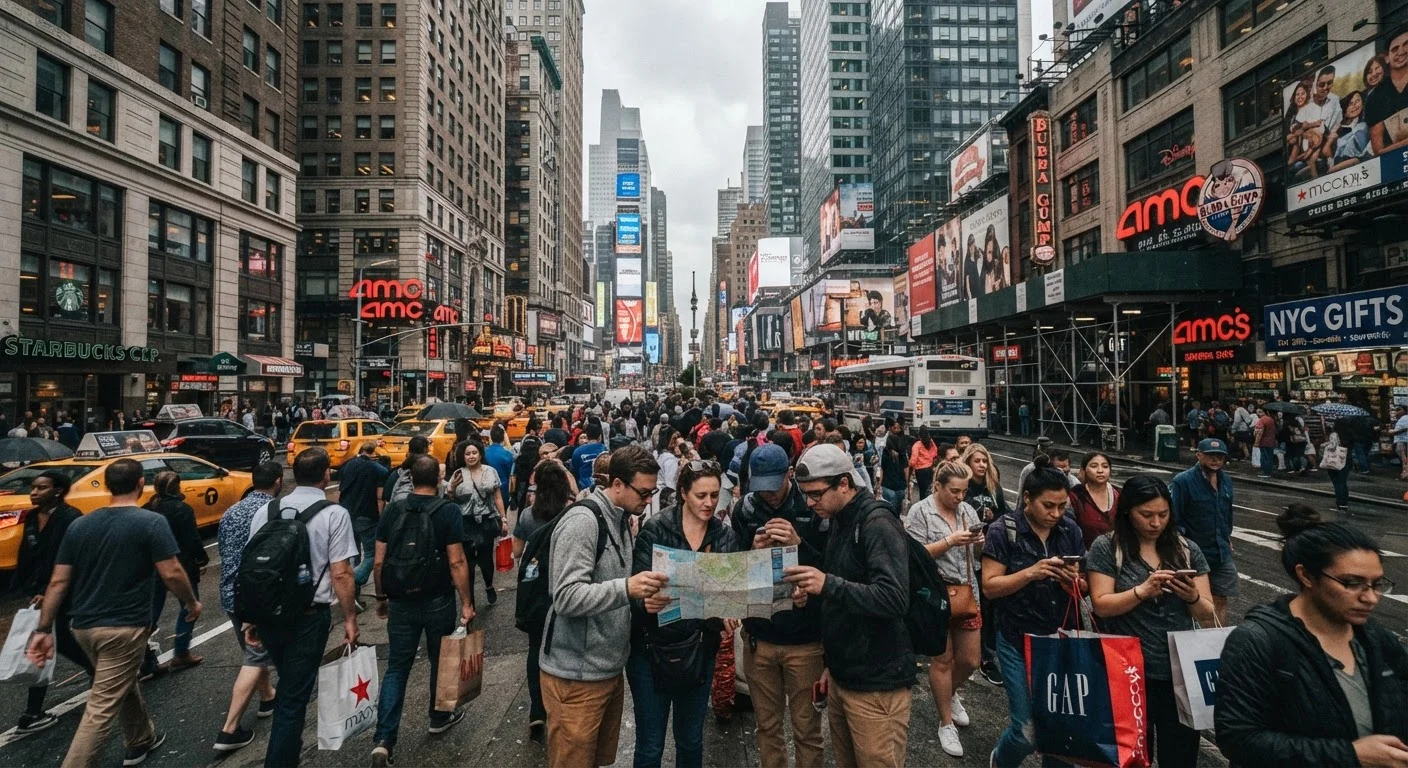
Most urban travel disappointment starts before the trip begins-in the research phase, or the lack of one. Travelers often build their expectations from social media highlights, tourism board campaigns, and friends' edited recollections. What arrives in reality is a city that's noisier, more expensive, more complicated, and less cinematic than the version they imagined.
This mismatch isn't the city's fault. Cities are layered, contradictory places. They reward those who understand what they're walking into and penalize those who don't. Learning how to read a destination beyond its tourism branding is one of the most practical skills an urban traveler can develop.
The good news: the most common mistakes are predictable, and most can be addressed before you leave home.
Treating the city as a checklist of landmarks rather than a place to experience.
Why it happens: Tourism marketing emphasizes iconic sights, so travelers assume visiting those sights equals a successful trip. Checking them off feels productive, even when the experience is shallow.
Staying in a hotel or neighborhood that's convenient on paper but disconnected from the city's life.
Why it happens: Travelers often choose accommodation based on proximity to the airport or price, without considering what's actually around them at street level.
Underestimating how much time transit and logistics actually consume.
Why it happens: Maps make distances look short, and travelers assume they'll move between spots quickly. In practice, urban transit involves waits, transfers, and unexpected delays.
Eating and drinking exclusively near tourist attractions.
Why it happens: It's easy and familiar. After a long morning of sightseeing, stopping at the closest café feels convenient.
Failing to account for the city's rhythms-peak hours, closures, seasonal patterns.
Why it happens: Travelers assume cities operate on the same schedule they do at home. Many don't. Museums close on Mondays; restaurants shut in August; entire neighborhoods empty out on holidays.
What a Stronger Approach Looks Like
Travelers who return from cities energized rather than exhausted tend to share a few habits. They spend time before the trip understanding the city's geography-which neighborhoods have which character, how transit actually works, and where the tourist zone ends and the rest of the city begins. Resources like grounded first-timer guides offer exactly this kind of orientation.
They also build itineraries with flexibility built in. A well-structured day has anchors-one or two commitments-surrounded by open time. That open time is almost always where the best moments happen. For a closer look at how to build that structure, the anatomy of a well-built travel itinerary walks through the practical components in detail.
Finally, they budget honestly. Urban travel carries hidden costs that aren't obvious from a hotel booking page-transit, food markups near attractions, fees, and incidentals. Getting a realistic picture of what cities actually cost, beyond the headline price, helps travelers avoid the sour feeling of overspending without planning to. See hidden costs that catch travelers off guard for a breakdown of what to watch for.
Verify Conditions Before You Arrive
City conditions-transit disruptions, attraction closures, local events that affect crowds or access-can change with little notice. Always check official city tourism sites and local news sources in the days before your trip. Do not rely solely on guidebooks or travel articles, including this one, for time-sensitive operational details.
Urban travel also rewards self-knowledge. If you're someone who finds crowds draining, an itinerary built around peak-hour landmarks will exhaust you regardless of how good the destinations are. Understanding your own travel style-and choosing destinations and pacing that match it-is often the difference between a trip you remember fondly and one you're glad is over. Matching your travel style to the right destination is a useful starting point for that kind of self-assessment.